Apple iPhone Trade-In: Oldest Model Still Valued
Apple's official trade-in program offers a compelling pathway for consumers to reduce the cost of new devices, accepting surprisingly old iPhone models. Users might be surprised that devices from as far back as 2017 are still eligible for credit, according to the company. This initiative underscores Apple's commitment to both customer loyalty and a circular economy, allowing users to convert unused technology into tangible value for their next upgrade, thereby enhancing their overall cost efficiency in device ownership.
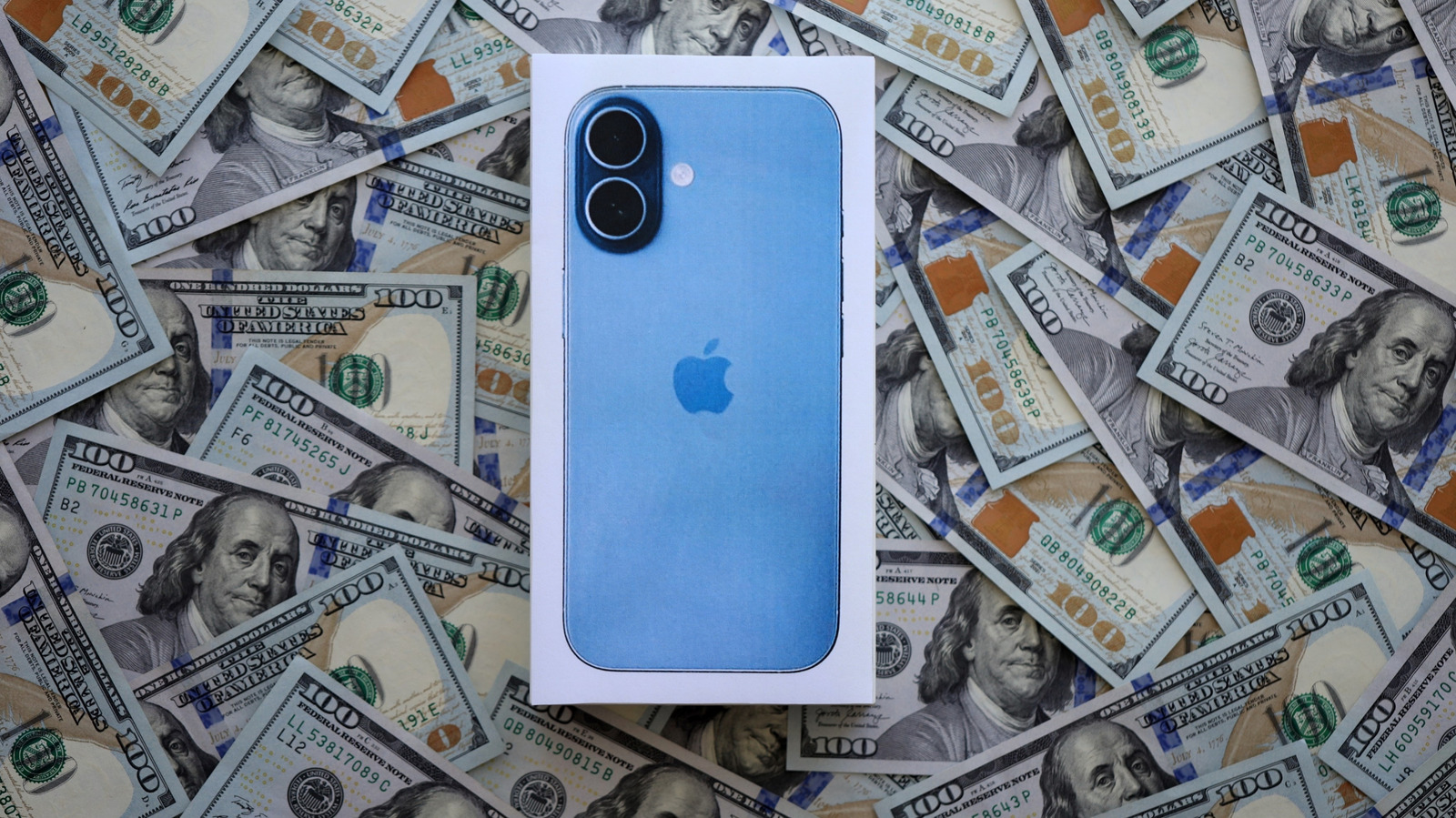
Unlocking Value from Older iPhone Models
By Decode Today News
For those looking to upgrade, the oldest iPhone model currently accepted by Apple for trade-in credit is the iPhone 8, which was originally released in 2017. Despite its age, a device in "Good" condition can yield a modest $35 in credit, the company indicates. This value can notably contribute to the cost efficiency of acquiring a newer smartphone, especially as flagship devices continue to experience significant market valuation increases. Apple defines "Good" condition broadly, including minor scratches or dents, suggesting a pragmatic approach to evaluating used devices from a consumer demand perspective.
The 2017 lineup also included the iPhone 8 Plus and the then-premium iPhone X. An iPhone 8 Plus in good shape can fetch $40, with devices showing limited damage still qualifying for $10. For the innovative iPhone X, a device in good condition can command $60, though damaged models typically receive no trade-in value from Apple. It is crucial for users to accurately describe their device's condition, as final trade-in amounts are estimates and could be adjusted upon verification, the company notes, impacting the ultimate credit applied.
While some older iPhone models still hold credit value, Apple's trade-in list extends further back to the iPhone 5. However, devices older than the iPhone 8 are classified as obsolete and receive no credit, being accepted solely for responsible recycling. This highlights a clear threshold in Apple's valuation strategy, distinguishing between devices with residual market value that can contribute to an upgrade and those primarily eligible for environmental disposal as part of a broader sustainability effort.
Understanding the Mechanics of Apple's Trade-In Model
The Apple Trade In model offers a streamlined process, whether consumers are purchasing a new device online or in-store. When conducting an online purchase, users can select the "Add a trade-in" option, choosing their existing phone and answering condition-specific questions to receive an estimate. The application of credit varies depending on the purchase method. Customers paying the full cost upfront will have the trade-in value credited back to their payment method once the old unit is received and verified. Conversely, those financing through an Apple Card or carrier, or leasing via the new Apple Upgrade program, will see their monthly payments reduced, effectively enhancing their long-term cost efficiency, the company explains.
For users not immediately looking to upgrade, or wishing to trade in a different device type towards an iPhone, the program allows the trade-in value to be issued as an Apple gift card. This provides significant financial flexibility, enabling future purchases across Apple's extensive ecosystem, from software to new hardware. The process for obtaining a gift card involves visiting the Apple Trade In page, evaluating the device, and selecting the gift card option at the conclusion, requiring the device's serial number for identification and market valuation.
Preparing a device for trade-in involves several key steps to ensure a smooth transaction and robust data security. Before sending an iPhone or bringing it to an Apple Store, users should unpair any connected Apple Watch, meticulously back up their device data, and sign out of their Apple account. Crucially, the company advises against erasing the device until it has been evaluated by a representative, whether in-person or upon receipt by Apple's processing centers. When shipping a device, Apple provides a secure box and prepaid shipping label, simplifying the logistics of transferring the old hardware. It is worth noting that chargers and other accessories are not required for trade-in; they can be recycled if desired but offer no additional credit, emphasizing consumer convenience and flexibility.
Expanding Beyond iPhone: Trade-In Options for Other Devices
Apple's comprehensive trade-in program extends beyond iPhones, encompassing a broader range of its product portfolio, underscoring its holistic approach to device lifecycle management and sustained consumer demand. Users can trade in their old iPad for up to $690, a Mac for a maximum of $2,045, or an Apple Watch for up to $305. To ascertain the value for these specific devices, users are required to enter the serial number on the Apple Trade In page. This broad offering aims to boost consumer demand for new Apple products by making upgrades more financially accessible and promoting the circularity of its hardware ecosystem.
Certain Apple devices, however, including the HomePod, Apple TV, and AirPods, are eligible solely for recycling through the program and do not yield any cash or credit. This distinction is vital for consumers to understand when evaluating the potential financial returns from their unused electronics, as it directly impacts the perceived market valuation of these accessories.
Furthermore, Apple actively caters to individuals considering a migration from the Android ecosystem to iPhone. The company offers trade-in credit for select Android phones, specifically Samsung Galaxy, Google Pixel, OnePlus, and Huawei models. These devices, as expected, generally offer lower trade-in values compared to Apple's first-party offerings, reflecting different market dynamics and operating margin structures. Unlike iPhone trade-ins, the evaluation for Android devices often factors in storage capacity, directly influencing the trade-in value. For example, a 128GB Pixel 9 Pro in good condition can fetch $255, while a 1TB model in similar condition increases to $315. A Pixel 6 Pro in good condition, regardless of storage, currently receives $50. The company acknowledges these values might not be optimal, suggesting that third-party marketplaces often provide better returns for non-Apple devices.
Maximizing Returns: Alternative Selling Avenues
While Apple Trade In offers unmatched convenience and a direct path to upgrade credit, particularly for the surprisingly old iPhone models still accepted, consumers have alternative avenues to potentially maximize their device's market valuation. The primary benefit of Apple's program is its hassle-free nature, eliminating the need for direct buyer interaction or protracted negotiation, which contributes significantly to user experience and overall cost efficiency in time.
However, for those willing to invest a bit more time, dedicated third-party platforms often provide more competitive offers. Services like Mac Me An Offer directly purchase iPhones, bypassing the traditional haggling and necessity for in-person meetings. The prices offered by such companies can sometimes exceed Apple's, presenting a clear advantage in operating margin for the seller. For instance, at the time of writing, Apple provided an estimated $320 for an iPhone 15 in good condition, whereas Mac Me An Offer offered up to $425 for a 512GB iPhone 15, showcasing a potential yield disparity.
For a broader comparison of offers, aggregation sites such as SellCell allow users to benchmark prices from multiple outlets, ensuring they identify the most lucrative selling option based on real-time market dynamics and consumer demand. Additionally, direct peer-to-peer sales through platforms like eBay or Facebook Marketplace typically yield the highest returns. This is because these transactions effectively cut out the middleman's profit margin, allowing the seller to capture more of the device's true market value, although it often entails greater effort in listing, communication, and shipping logistics.
Another compelling advantage of selling through third-party channels is the flexibility in payment methods. Unlike Apple's program, which typically applies credit to new purchases or an Apple gift card, independent platforms often offer direct cash payments via checks or services like Zelle. This provides sellers with greater liquidity and discretion over how they utilize their funds, offering a different value proposition compared to the integrated credit system of Apple's program.
Key Trade-In Value Estimates
The following table summarizes estimated trade-in values for various devices in good condition via Apple's program, alongside a notable third-party comparison:
- Oldest iPhone Model for Credit: iPhone 8 (released 2017)
- iPhone 8 (Good Condition): $35
- iPhone 8 Plus (Good Condition): $40
- iPhone X (Good Condition): $60
- iPhone 16 Pro Max (Maximum current estimate): $720 (Initial cost $1,199)
- iPad (Maximum estimate): $690
- Mac (Maximum estimate): $2,045
- Apple Watch (Maximum estimate): $305
- Google Pixel 9 Pro (1TB, Good Condition): $315
- Google Pixel 6 Pro (Good Condition): $50
- iPhone 15 (Apple Trade In, Good Condition): $320
- iPhone 15 (Mac Me An Offer, 512GB): Up to $425
Devices eligible for recycling only (no credit): Obsolete iPhone models (e.g., iPhone 5), severely damaged devices, HomePod, Apple TV, and AirPods.