What is Eclipsa Video, and how does it compare to Dolby Vision and HDR10?
A new video standard, Eclipsa Video, is emerging from a collaborative effort by Google, Apple, and NBCUniversal, aiming to revolutionize how high dynamic range (HDR) content is viewed across myriad devices. Designed to tackle the prevalent issue of inconsistent HDR appearance, Eclipsa Video promises a more predictable, balanced, and visually comfortable viewing experience regardless of the screen or ambient lighting conditions.
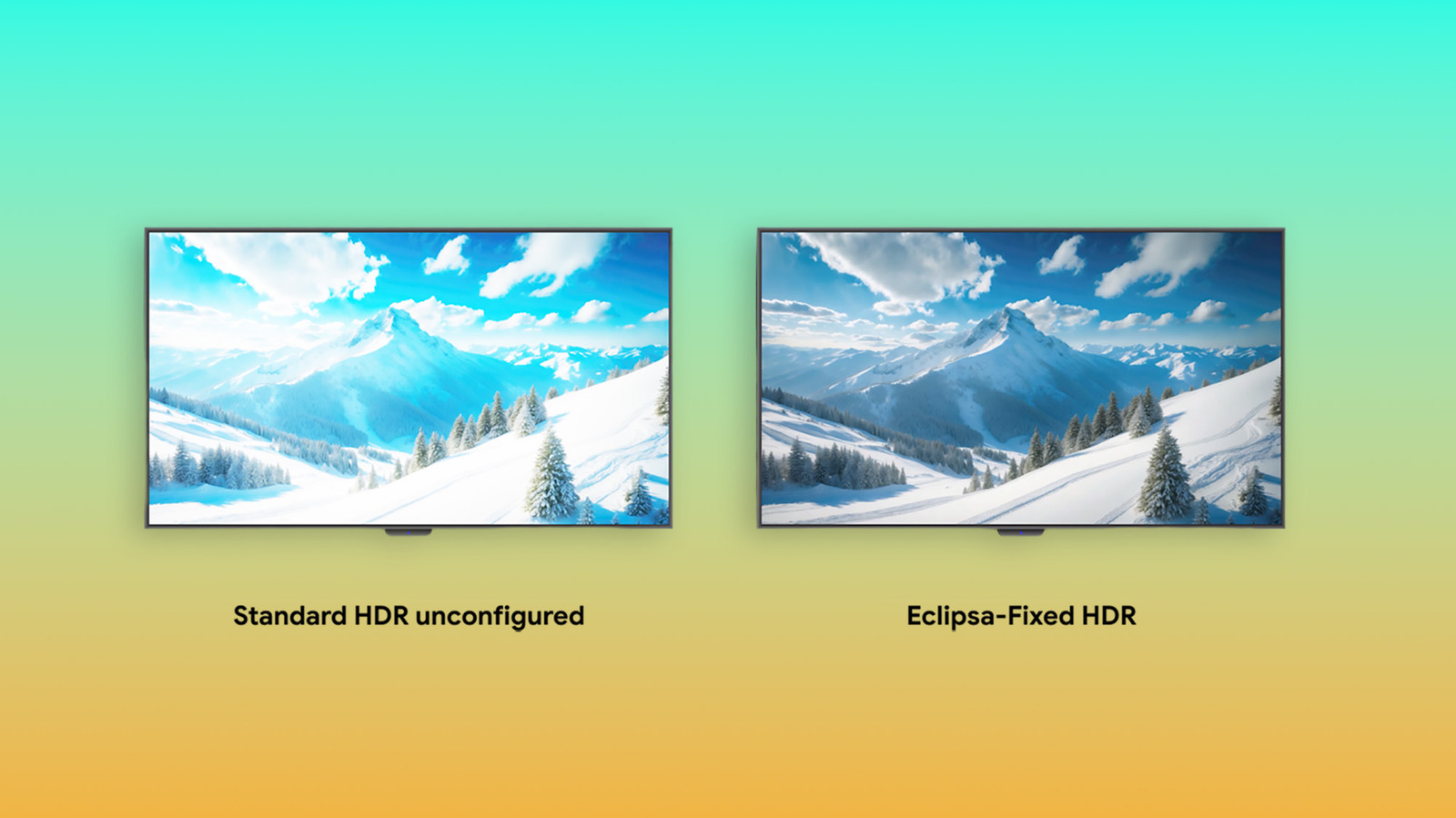
Understanding Eclipsa Video: The Next-Gen HDR Standard
By Decode Today News
Eclipsa Video is Google's branded implementation of SMPTE ST 2094-50, an innovative open HDR standard developed alongside industry giants Apple and NBCUniversal. Its core mission is to solve the inconsistency that often plagues HDR content, where a scene might look stunning on one high-end television but appear with crushed shadows or blown-out highlights on a smartphone or another display. By employing a flexible set of instructions and "two clever pieces of metadata," Eclipsa Video aims to ensure that HDR content maintains its intended visual quality across various devices, applications, and environmental lighting, making it look "consistent, balanced and comfortable on every screen."
Addressing the HDR Inconsistency Challenge
The promise of High Dynamic Range (HDR) technology is breathtaking: a wider spectrum of brightness, deeper contrast, and more vibrant colors that bring visual content to life like never before. However, the reality for many users has been a mixed bag. The same HDR video can appear dramatically different from one device to the next. A cinematic masterpiece optimized for a premium OLED TV might suffer from muddy shadows or overly bright highlights when viewed on a mid-range smartphone or tablet. Even the same device can present HDR content differently depending on the ambient light in the room, leading to frustration and a diminished viewing experience.
This unpredictability stems from the inherent challenge of adapting a single HDR video stream to a vast ecosystem of displays, each with varying capabilities in terms of peak brightness, contrast ratios, and color gamut. Eclipsa Video steps in to bridge this gap, offering a smarter, more adaptive approach to HDR playback. It's built to provide displays with more nuanced instructions on how to render brightness, contrast, and highlights as the video content changes dynamically.
How Eclipsa Video Works: Intelligent Metadata at its Core
At the heart of Eclipsa Video's adaptive capabilities are "two clever pieces of metadata," as described by Google, that empower displays to render content more intelligently. These metadata elements are crucial to how the new standard manages to deliver a consistent and optimal viewing experience across diverse hardware.
First is the **white reference anchor**. This component establishes a baseline for mapping the brightest elements of standard dynamic range (SDR) content. By setting this reference, Eclipsa Video can then intelligently reserve and utilize the extra brightness available in HDR videos. This ensures that when SDR and HDR content coexist on the same screen, there's a seamless transition and a balanced appearance, preventing SDR from looking dull or HDR from being overly aggressive.
Second are **headroom-adaptive gain curves**. These are custom instructions embedded within the video file by content creators. These curves act as a sophisticated guide for the display. If a screen's inherent brightness capabilities cannot precisely match the requirements of the video content, the headroom-adaptive gain curves provide specific directions on how to adjust the picture to achieve the most accurate and pleasing effect possible. This means that even on a device with more limited display capabilities, Eclipsa Video can intelligently scale and map the HDR information to make the content look as intended, reducing common pitfalls like crushed shadows, clipped highlights, washed-out tones, and sudden, uncomfortable spikes in brightness.
This dynamic adjustment mechanism is what allows Eclipsa Video to account for a screen's specific capabilities and, on compatible devices, even make real-time changes based on the ambient lighting conditions in the room. Imagine watching a dark, atmospheric scene in a brightly lit room; Eclipsa Video could subtly adjust the display to ensure details aren't lost, then revert to the original intent when you move to a darker environment.
Eclipsa Video in the HDR Landscape: Comparing with Dolby Vision and HDR10
The introduction of Eclipsa Video naturally invites comparisons with established HDR standards like Dolby Vision and HDR10. Understanding these differences is key to appreciating Eclipsa's unique position in the evolving video technology landscape.
The most direct comparison for Eclipsa Video is with Dolby Vision. Both standards leverage **dynamic metadata** to adapt the picture settings as the video content changes from scene to scene, or even frame to frame. This dynamic approach allows for a much more precise and artistically accurate rendition of HDR content compared to formats that use static metadata. While the specific technical details of how they process and apply this metadata differ, their shared goal is to ensure the image is optimally displayed on a wide range of devices.
Where they diverge significantly is in their fundamental nature: Eclipsa Video is built around an **open standard**, much like HDR10. This means its specifications are publicly accessible, encouraging broader adoption and integration without licensing fees for implementation. Dolby Vision, in contrast, is a **proprietary format** developed by Dolby Laboratories, requiring manufacturers and content creators to license the technology. This proprietary nature can sometimes limit its widespread adoption on lower-cost devices or in certain ecosystems due to associated costs and control.
HDR10, the most widely adopted HDR standard, relies on **static metadata**. This means a single set of instructions for brightness, contrast, and color is applied to the entire video. While simple and broadly compatible, this approach is less adaptive. It cannot account for scene-by-scene variations or differing display capabilities with the same precision as dynamic metadata formats. However, the newer **HDR10+ variant** has evolved to incorporate dynamic metadata, bringing it closer to the adaptive capabilities of Dolby Vision and now Eclipsa Video.
The open nature of Eclipsa Video, combined with its dynamic metadata capabilities, positions it as a compelling contender. It offers the flexibility and sophisticated adaptation found in proprietary solutions while promoting accessibility and broad industry collaboration, mirroring the success of other open standards in the technology world.
The Path to Widespread Adoption: Android 17 and Beyond
The journey for any new video standard to achieve widespread adoption is a complex one, requiring support across various segments of the technology ecosystem. Eclipsa Video is set to make its significant debut with the upcoming release of Android 17, where platform-wide support for both playback and capture of Eclipsa Video content will be integrated. This means that future Android smartphones, tablets, and eventually TVs running Android 17 will be equipped to handle this new standard, enabling users to experience and even create content in Eclipsa Video.
However, like all video formats, its ultimate reach and impact will hinge on a broader commitment from several key players. Device makers will need to integrate Eclipsa Video into their hardware. Streaming applications, such as YouTube, Netflix, and other video platforms, will need to update their services to support Eclipsa Video content delivery. Crucially, content providers – from major studios to individual creators – will need to embrace the standard for their new productions and potentially convert existing libraries.
The involvement of Google and Apple, two of the largest players in mobile and consumer electronics, along with NBCUniversal, a major content producer, provides a strong foundation for Eclipsa Video's potential success. Their collaborative development of an open standard signals a shared vision for a more consistent and high-quality HDR experience across the digital landscape. As more devices and platforms adopt it, Eclipsa Video has the potential to become a ubiquitous standard, significantly improving the visual fidelity and user experience for countless viewers worldwide.
Frequently Asked Questions About Eclipsa Video
What Problem Does Eclipsa Video Solve?
Eclipsa Video aims to solve the problem of inconsistent HDR (High Dynamic Range) video playback. Currently, HDR content can look dramatically different and often subpar across various devices, apps, and lighting conditions. Eclipsa ensures a "consistent, balanced and comfortable" HDR viewing experience on every screen by adapting to display capabilities and ambient light.
How Does Eclipsa Video Work Technically?
It uses "two clever pieces of metadata." A 'white reference anchor' sets a baseline for SDR content and reserves extra brightness for HDR. 'Headroom-adaptive gain curves' are custom instructions from creators that tell a display how to adjust brightness, contrast, and highlights to achieve the right effect, even if the screen's capabilities don't perfectly match the video's requirements.
Is Eclipsa Video an Open Standard?
Yes, Eclipsa Video is Google's branded version of SMPTE ST 2094-50, which is a new open HDR standard. This open nature differentiates it from proprietary formats like Dolby Vision and is similar to HDR10, promoting broader adoption without licensing barriers.
When Will Eclipsa Video Be Available?
Platform-wide Eclipsa Video support, including both playback and capture capabilities, is coming with Android 17. It is expected to eventually be available on a wider range of devices, including phones, tablets, and TVs, as device makers, streaming apps, and content providers integrate the standard.
How Does Eclipsa Video Compare to HDR10 and Dolby Vision?
Eclipsa Video, like Dolby Vision, uses dynamic metadata to adapt the picture as the video changes, offering more precise control than HDR10's static metadata. However, unlike Dolby Vision, Eclipsa Video is an open standard, similar to HDR10. The newer HDR10+ variant also incorporates dynamic metadata, bringing it closer to Eclipsa Video and Dolby Vision in terms of adaptability.
The Future of Consistent HDR Viewing
The arrival of Eclipsa Video marks a significant step forward in the quest for a truly universal and consistently excellent HDR viewing experience. By tackling the persistent issue of inconsistency across diverse displays and environments, Google, Apple, and NBCUniversal are pushing the boundaries of what consumers can expect from their digital content. The open standard approach is particularly promising, as it has the potential to accelerate adoption across a fragmented industry, moving HDR beyond a niche, high-end feature to a standard, reliable expectation for all users. While the full realization of Eclipsa Video's potential will depend on broad industry support, its intelligent design and collaborative backing lay a strong foundation for a future where every screen delivers a visually stunning and comfortable viewing experience, precisely as content creators intended.


