Decode Today News delivers breaking news on AI, tech, business, politics, and world events — updated daily.
breaking news, AI news, technology news, India news, world news, business news #decodetodaynews
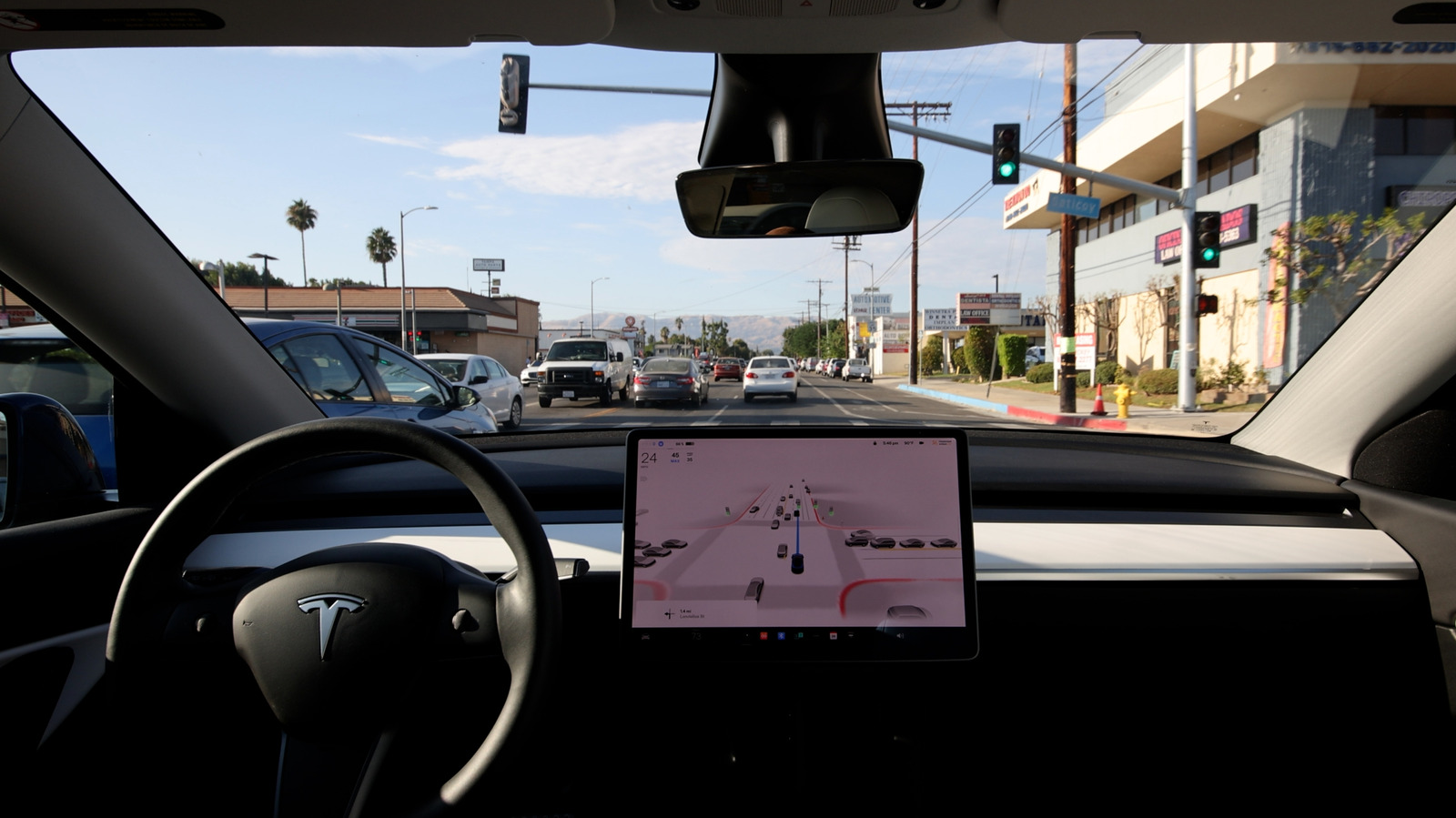
A new lawsuit alleges that Tesla's Full Self-Driving (FSD) robotaxis operated as "rolling hazards on public streets" due to systemic safety oversight defects. This claim comes from Javier Medrano, a former manager overseeing Tesla's FSD testing operations in Houston, who is now suing the company for unlawful retaliation after he reportedly escalated these concerns, according to a lawsuit spotted by The Independent.
Medrano claims that Tesla's alleged unwillingness to allocate additional resources or hire more staff led to a dangerous operational environment. He seeks reinstatement to his role and various fees, including restitution for an unvested equity award, front and back pay, and compensatory damages for "emotional distress, familial strain and severe financial stress" as a result of what the lawsuit claims is unlawful retaliation.
Allegations of Systemic Safety Oversight Defects
By Decode Today News
Fired Tesla manager says Full Self-Driving cars were 'rolling hazards' Technology
The lawsuit highlights a critical period during which Medrano managed a team of safety operators. These operators were tasked with riding in Tesla vehicles to test the company's FSD software, specifically from October 2024 to May 1, 2025, the filing stated. As a manager, Medrano's responsibilities were extensive, requiring him to "actively audit driving clips, conduct weekly ride-alongs and manage safety incidents," alongside maintaining significant on-call availability throughout the week.
The core of Medrano's concerns arose as his responsibilities expanded significantly. The number of operators under his supervision grew to 38, a figure that Medrano claims far exceeded the established baseline of a 1-to-15 manager-to-operator ratio set by Tesla Autopilot Director Pete Scheutzow. This alleged overextension of supervisory duties is central to the claims of "systemic safety oversight defects."
Escalated Concerns and Alleged Dismissal
According to the lawsuit, Medrano attempted to voice his concerns directly to Scheutzow. During a conversation, Medrano reportedly warned that the prevailing manager-to-operator ratio could lead to him "not sleeping or eating correctly." However, the lawsuit claims Scheutzow allegedly dismissed these concerns, stating, "I don't get the impression you're drowning." This alleged lack of response from Tesla management is presented as a critical factor contributing to the ultimate failure of the company's "under-resourced safety structure."
The lawsuit pinpoints a specific incident under Medrano's watch where these alleged resource deficiencies culminated in a crash. Medrano claims he processed the accident "while physically asleep" and inadvertently provided the operator with "unsafe guidance." This guidance, the lawsuit states, resulted in the operator "remaining at the unsafe scene for an hour where she was approached by an allegedly impaired third party." Following this incident, Medrano's attempts to formally escalate the safety issues and provide evidence that Tesla was withholding resources from his Houston region reportedly led to his termination. This sequence of events forms the basis for Medrano's claim of unlawful retaliation.
Broader Scrutiny of Tesla's Autonomous Technology
This lawsuit introduces a new dimension to the ongoing debate surrounding Tesla's autonomous driving technology, suggesting that managerial and operational oversights could be contributing to safety concerns alongside existing software criticisms. Engadget has reportedly reached out to Tesla for comment on the lawsuit, with updates pending any response from the automotive giant.
The technical approach to autonomous vehicles by Tesla has faced scrutiny in the past. Beyond the current lawsuit's focus on managerial problems and "under-resourced safety structure," there have been reports questioning the reliability of the Full Self-Driving software itself.
A Reuters report in May indicated that Tesla might be exaggerating the safety capabilities of its FSD software. Data labelers, who analyze camera footage used by Tesla vehicles for navigation, reportedly "regularly see FSD fail at basic driving tasks," according to the report. This suggests a potential gap between public perception and the operational realities of the software's performance, impacting consumer demand and the company's market valuation.
Adding to the layers of scrutiny, the National Highway Traffic Safety Administration (NHTSA) is actively investigating Tesla's self-driving technology. This federal oversight highlights the serious regulatory compliance security aspects facing companies developing advanced autonomous systems. While a version of Tesla's software requiring driver supervision is commercially available via subscription, the series of reported crashes, the slow rollout of the company's planned robotaxi service, and now these apparent management issues collectively cast increasing uncertainty over the long-term success and widespread adoption of Full Self-Driving technology.
Understanding Autonomous Vehicle Compliance and Oversight
The development and deployment of autonomous vehicles, particularly advanced systems like Tesla's Full Self-Driving, necessitate robust compliance security protocols and meticulous oversight. The journey from conceptualization to widespread commercialization involves navigating complex regulatory landscapes, ensuring public safety, and managing significant operational integrity challenges. Companies like Tesla operate at the cutting edge of AI infrastructure and software development, where rigorous testing and continuous validation are paramount.
The allegations in Medrano's lawsuit underscore the multifaceted challenges in maintaining high standards of safety and operational integrity in a rapidly evolving technological domain. Effective management-to-operator ratios, adequate staffing, and clear escalation channels for safety concerns are critical components of a sound enterprise integration strategy for advanced technology deployment. Without these foundational elements, the pursuit of cost efficiency in operations could inadvertently lead to elevated cybersecurity risks, operational breakdowns, and, as alleged in this case, direct public safety hazards. The lawsuit serves as a stark reminder of the human element in overseeing sophisticated AI and software systems, even as the industry strives for full automation.
Lawsuit Filed: Javier Medrano sues Tesla for unlawful retaliation.
Core Allegation:Tesla's FSD robotaxis were "rolling hazards" due to "systemic safety oversight defects" and understaffing.
Managed Period: October 2024 to May 1, 2025 (as stated in the filing).
Staffing Dispute: Medrano managed 38 operators, exceeding the alleged 1-to-15 ratio set by Autopilot Director Pete Scheutzow.
These developments add layers to the ongoing discussion about the future of autonomous driving, particularly how companies manage the human and technological interfaces to ensure both innovation and public safety. The outcome of Medrano's lawsuit could have significant implications for how autonomous vehicle programs manage their testing and operational oversight globally.
Decode Today News delivers breaking news on AI, tech, business, politics, and world events — updated daily.
breaking news, AI news, technology news, India news, world news, business news #decodetodaynews