Primark Joins Fierce Price War with Deep Cuts
Primark Slashes Prices Amid Intense Retail Price War
By Decode Today News
Primark announced Monday it would reduce prices by up to 29% across hundreds of essential clothing items, including jeans, jumpers, and socks. This significant strategic move by the UK fast-fashion giant comes as it grapples with an intense retail price war, primarily against rapidly growing online marketplaces such as Shein and Temu.
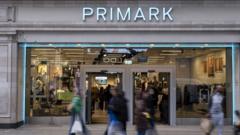
The decision to lower prices marks a notable shift for the value retailer, which has recently seen its clothes perceived as more expensive by consumers. Nineteen-year-old student Eshal Malik, browsing jewelry at Primark, commented that the store has "definitely got more expensive." This sentiment is echoed by many shoppers who have observed rising prices in recent years, largely due to increased costs in fabric, minimum wages, shipping, and energy, alongside a focus on higher operational standards.
Challenging Consumer Environment Fuels Price Aggression
Retail analyst Natalie Berg described Primark's price cuts as the "kind of headline you'd expect from M&S or Next," noting that such deep reductions from an already low-cost retailer are surprising. Berg highlighted the dilemma faced by traditional retailers: "You don't want to join a race to the bottom, but when Shein is selling dresses for £3, you've got to respond, right?"
The competitive landscape for fashion retailers has "evolved dramatically" over the past few years, according to Berg. Beyond Shein and Temu, other online platforms like TikTok Shop and Vinted are also aggressively competing for Primark's customer base. This heightened competition has contributed to a drop in Primark's like-for-like sales, a crucial measure of retail health.
For shoppers like Tasneem Jafar, 32, who has been a loyal Primark customer since age 16, online alternatives have become increasingly attractive. Jafar now regularly orders three or four new clothing pieces from Temu every six weeks, drawn by the ultra-low prices that reset consumer expectations. Eshal Malik also pointed out that her perception of Primark's cost is influenced by knowing how low prices are at Shein, where she buys "going-out tops for less than £10."
The Shein and Temu Advantage: A New Baseline for Value
Shein and Temu have successfully undercut traditional retailers like Primark due to several key advantages:
- No Physical Locations: They avoid the significant overheads associated with maintaining brick-and-mortar stores.
- Import Duty Exemptions: Most of their packages have been exempt from import duties, although this exemption is set to end in October 2028.
- Efficient Operating Model: Their lean, online-first approach results in little unsold stock, reducing the need for costly discounting.
These factors have allowed Shein's low prices to become the "new baseline" in the fast-fashion market, effectively luring younger shoppers. Research from Mintel in July 2025 revealed that 32% of women aged 16-34 who buy clothes online had shopped at Shein in the preceding year. This attraction is fueled by low prices, abundant discount codes, and a seemingly endless product catalog.
In contrast, Primark offers a click-and-collect service but no delivery, a "deliberate choice to streamline operations and pass the savings directly to customers," according to the company. However, in an increasingly digital-first shopping environment, this strategy has faced challenges.
Primark's "Supermarket Tactic" and Quality Pledge
By strategically slashing prices on core items, Primark is employing what analyst Natalie Berg terms a "supermarket tactic." The goal is to "woo shoppers with low-cost staples, in the same way that supermarkets attract customers with cheap milk and bananas." Crucially, Primark has stated that these new, lower prices are here to stay, signaling a long-term commitment to its value proposition.
Mintel analyst Bridget McCusker views these price reductions as a savvy marketing exercise designed to increase consumer traffic. McCusker suggests that even if shoppers are initially drawn in by the lower prices on specific items like jeans or jumpers, the retailer's "impulse nature" means they are likely to add other, higher-margin items to their baskets. This strategy aims to boost overall sales volume and improve operating margin, even with reduced prices on select goods.
Beyond price, Primark also emphasizes improvements to the quality, fit, and style of its clothing. This addresses a growing consumer demand for greater value from purchases, especially during the ongoing cost-of-living crisis. A Mintel survey indicated that about a third of clothing shoppers have bought clothes less frequently compared to the previous 12 months, with many now considering the "cost per wear" of items.
Some consumers, like 30-year-old Isobel Guffick from Staffordshire, already seek better value elsewhere. Guffick praises Sainsbury's Tu range for offering "greater quality clothes for similar prices" for basics. She also prioritizes buying secondhand from charity shops, car boot sales, and online platforms like Vinted, embracing the "treasure hunt" aspect of finding bargains.
Understanding the Retail Price War
The current retail environment is marked by aggressive pricing strategies, particularly in the fast-fashion sector. Companies are battling intensely for consumer demand, often at the expense of traditional operating margin. The rapid rise of digitally native, asset-light competitors like Shein and Temu, which leverage global supply chains and direct-to-consumer models, has fundamentally shifted market valuation benchmarks. This intense competition forces even established low-cost players like Primark to reassess their cost efficiency and pricing power to maintain relevance and capture market share. The ongoing price war reflects a broader struggle for market dominance and sustained profitability in an era of evolving consumer expectations and technological disruption.
Financial and Ethical Dimensions of Fast Fashion
For a business with tight operating margins like Primark, even a few pounds off a jumper can significantly impact the bottom line. However, AJ Bell analyst Russ Mould suggests that these price changes will help Primark "shift stock, meaning they don't have to discount too much any further." This reflects a crucial inventory management strategy, aiming to reduce the financial burden of unsold goods that would otherwise require deeper markdowns.
The price reduction announcement also precedes a significant corporate event for Primark. Its parent company, Associated British Foods, plans to spin off the business onto the London stock market next year. A stronger performance driven by competitive pricing and improved stock movement would undoubtedly bolster Primark's market valuation ahead of this crucial separation.
Despite the economic pressures driving the price war, the broader fast-fashion industry faces increasing scrutiny over its environmental and ethical impact. Fast fashion, characterized by the rapid turnover of cheap, mass-produced clothing, has a substantial environmental footprint. According to the United Nations, the fashion industry is responsible for around 8% of global emissions, exceeding the combined emissions of aviation and shipping. This intensive use of natural resources and generation of greenhouse gases contributes significantly to climate change.
Critics have called for boycotts of global behemoths like Shein over these environmental concerns, as well as allegations regarding working conditions in its Chinese factories. Furthermore, controversies surrounding the sale of "childlike sex dolls" on Shein's website first emerged in November 2025 from France's anti-fraud office, with Shein promising full cooperation at the time.
Key Takeaways from the Retail Price War
The current state of the fashion retail market is defined by several critical factors:
- Primark's Strategic Price Cuts: Up to 29% reduction on hundreds of items, aiming to boost consumer demand and compete with online rivals.
- Intense Competition: Online marketplaces like Shein and Temu, alongside platforms like TikTok Shop and Vinted, are redefining market pricing.
- Consumer Value Focus: The cost-of-living crisis has heightened consumer focus on value for money and "cost per wear."
- Operational Efficiency: Online retailers benefit from lower overheads and efficient operating models, setting a new baseline for low prices.
- Primark's Financial Context: Price adjustments aim to improve stock movement and strengthen the business ahead of its planned spin-off onto the London stock market next year.
- Ethical and Environmental Scrutiny: The fast-fashion industry, particularly players like Shein, faces growing criticism for its environmental impact and labor practices, responsible for approximately 8% of global emissions.
- Market Adaptability: Retailers must offer compelling value to remain relevant, especially those positioned as value fashion leaders.
Ultimately, analysts concur that Primark's new pricing strategy is a direct response to a fiercely competitive retail environment. As Natalie Berg concludes, "When it comes to staying relevant to customers today, you have to offer value for money. Especially if you are meant to be the value fashion retailer in the UK, you have to deliver on that promise." Primark's battle for market share underscores the evolving dynamics and increasing pressure on profitability and consumer loyalty in the global retail sector.


