Why Limited Conflict Benefits Iran More Than Peace
Recent hostilities between Iran and the United States have escalated following a surprise missile strike by Tehran on a US base in Jordan earlier this week. This assault effectively shattered a fragile pause in direct US-Iran fighting, prompting Washington to resume retaliatory strikes inside Iran.
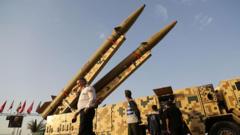
While a ceasefire might intuitively seem beneficial, a deeper analysis suggests Iran's actions may stem from a calculated judgment that a controlled confrontation could offer greater strategic leverage than an imperfect peace. This perspective indicates Tehran might believe a limited conflict, despite its inherent risks, could better serve its long-term interests.
Understanding Iran's Strategic Calculus
By Decode Today News
Neither Washington nor Tehran appears ready for an all-out war. The United States has consistently shown little appetite for a much broader regional conflict, fearing it could destabilize critical energy infrastructure, draw in more countries, push global oil prices higher, and further stretch already strained US military resources. Similarly, Iran is keen to avoid full-scale warfare, largely due to its weakened air defenses, vulnerable industrial infrastructure, and an economy significantly constrained by international sanctions, making the rebuilding of losses both difficult and prohibitively expensive. This mutual aversion to total war, the report indicates, creates a strategic vacuum that Iran may be exploiting.
Instead of pursuing outright military victory, Tehran's strategy may be rooted in maintaining sustained pressure. A prolonged ceasefire under current conditions could actually leave Iran in a weaker position. For instance, the US naval blockade of Iranian ports would persist, sanctions would remain in full effect, and Iran would largely continue to be excluded from crucial international energy markets. While Iran is undeniably incurring significant military and economic costs, the ongoing disruption in the Strait of Hormuz and, through the Houthis, pressure around Bab al-Mandab, continue to have profound global ramifications, affecting shipping, insurance costs, and overall energy markets.
Geopolitical Leverage Through Disruption
Even limited uncertainty emanating from the region compels governments, shipowners, and importers worldwide to pay closer attention to Iran's demands. This dynamic, from Tehran's perspective, suggests it still possesses a crucial form of geopolitical leverage. This influence extends beyond mere military posturing; it directly impacts global supply chain resilience and introduces market volatility that resonates far beyond the immediate conflict zone. Meanwhile, major oil and gas exporting nations in the region, such as Saudi Arabia, the UAE, and Qatar, could gradually resume normal export operations during a prolonged truce, leaving Iran economically isolated.
A limited conflict, however, fundamentally alters this landscape for Iran. The sustained pressure on international shipping and energy flows ensures that Iran remains a central, unavoidable factor in global economic calculations. This strategy is not about achieving military dominance but about leveraging economic disruption to secure diplomatic concessions and reshape regional power dynamics.
Reshaping Diplomatic Norms and Domestic Stability
Beyond immediate military aims, Iran also appears to be attempting to reshape the diplomatic discussion surrounding critical maritime routes. Rather than passively accepting unrestricted freedom of navigation, Tehran has repeatedly signaled its intent that shipping in the Strait of Hormuz should operate under rules agreed upon or administered by Iran. If this interpretation is correct, Iran's objective is that any future reopening of the Strait reflects Iranian influence and control, rather than a mere return to the pre-conflict status quo. An ongoing, limited conflict provides the necessary leverage to maintain pressure towards achieving this ambitious diplomatic goal, influencing enterprise integration for global logistics and compliance security for maritime operations.
From Tehran's vantage point, sustaining the crisis below the threshold of total war may therefore be preferable to embracing a ceasefire that leaves existing sanctions, the blockade, and economic isolation largely unchanged. This approach underscores a calculated risk-reward analysis aimed at maximizing Iran's long-term strategic position.
Domestic Calculations Amidst External Conflict
The strategic rationale for a controlled confrontation also extends to domestic considerations. Iran continues to grapple with high inflation rates, persistent unemployment, widespread economic hardship, and growing public dissatisfaction. During periods of external conflict, governments frequently find it easier to suppress internal opposition, justify tighter security measures, and rally public support around a narrative of national defense. While this strategy does not resolve Iran's underlying economic problems or fiscal pressures, it can significantly reduce the immediate political pressure created by them, potentially consolidating power and diverting attention from internal grievances.
Costs, Risks, and the Path Forward
Despite the perceived strategic advantages, this calibrated strategy is not without significant costs. Iran continues to absorb repeated military strikes, and persistent economic uncertainty plagues its populace. There is no guarantee that the current balance of power and pressure can be sustained indefinitely. This is the main paradox confronting Tehran: a controlled conflict may currently offer more geopolitical leverage than an imperfect peace, but such conflicts have a notorious habit of spiraling out of control.
Iran may believe it can calibrate escalation carefully enough to maintain pressure on the United States, global energy markets, and regional diplomacy while meticulously avoiding an all-out war. However, this calculation carries substantial risks. Beyond the obvious possibility of a much wider regional war, a prolonged conflict with no clear end in sight could gradually strengthen international support for a tougher, more unified response against Iran.
There are already concerning signs that the conflict is widening. Saudi Arabia, which had initially sought to avoid direct involvement, has reportedly carried out strikes against Iran-aligned Shia groups in Iraq and taken military action against the Houthis in Yemen. If the disruption to global trade and energy markets continues unabated, other countries that have thus far attempted to remain on the sidelines could become increasingly willing to support efforts to increase pressure on Iran. Some governments may ultimately conclude that bearing the costs of a more robust, collective response is preferable to living with repeated crises affecting international shipping lanes and global energy supplies, impacting consumer demand and market stability.
Whether these possibilities – including more countries becoming actively involved – prove correct remains uncertain. Much may depend on Iran's ability to maintain its calibrated actions without triggering a response that fundamentally alters the political and military calculations of the United States and its allies. The outcome of the next unexpected strike, or indeed, the next diplomatic maneuver, could decisively determine which path this volatile conflict ultimately takes.
Key Takeaways on the Conflict's Dynamics
- Strategic Leverage: Iran views a controlled conflict as a means to gain more strategic leverage than a sustained ceasefire.
- Aversion to All-Out War: Both the US and Iran seek to avoid a full-scale regional war due to significant economic and military costs.
- Economic Pressure: Iran uses disruptions in key shipping lanes (Strait of Hormuz, Bab al-Mandab) to influence global energy markets and shipping costs.
- Diplomatic Reshaping: Tehran aims to renegotiate maritime navigation rules, seeking to assert greater influence over critical waterways.
- Domestic Stability: External conflict is used to mitigate internal political pressure stemming from economic hardship and public dissatisfaction.
- High Risks: The strategy carries significant risks of escalation, potentially leading to an uncontrolled wider conflict and strengthening international opposition.


