US Bans New Foreign Humanoid Robots, Inverters
US Curbs Advanced Foreign Robotics and Power Inverters Over National Security Fears
By Decode Today News
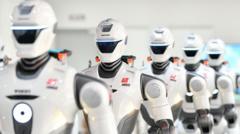
The Trump administration previously announced a ban on new foreign-made humanoid robot imports to the United States, citing "unacceptable risks" to America's national security. This directive extends to advanced robotic devices, including both humanoid and four-legged machines, many of which are produced in China, the world's largest maker of humanoid robots and a key competitor with the US in robotics and artificial intelligence (AI) development. Concurrently, the Federal Communications Commission (FCC) also prohibited imports of specific power inverters, devices critical for data centers and solar panels, which officials believe could pose a risk to the US economy.The FCC's action, designed to bolster America's critical supply chains, saw these items added to its Covered List, a register identifying goods and services deemed a threat to US national security. FCC Chairman Brendan Carr emphasized the agency's commitment to securing vital infrastructure through these measures. The ban is specifically aimed at new foreign-produced advanced robotic devices and power inverters, deliberately excluding the sale or import of any existing models that had previously received FCC authorization.
Deepening Concerns Over Cyber Risks and Foreign Influence
The rationale behind these prohibitions stems from significant cybersecurity and strategic concerns. The FCC explicitly cited worries that foreign-made inverters could be exploited by overseas firms to remotely disable them, facilitate data theft, enable unauthorized remote access, or allow surveillance by "foreign government actors." Such devices, the commission suggested, could also be "otherwise exploited through a cyberattack," posing direct threats to vital economic infrastructure.
Similarly, the ban on foreign-made robots addresses the potential for these machines to be leveraged by "malign actors." The FCC warned that such use could enable the surveillance of Americans, enhance the capabilities of foreign intelligence services, or allow the remote commandeering of robots, thereby presenting multifaceted national security challenges. These concerns underscore the growing cybersecurity risk associated with advanced technological imports from strategic rivals.
China's Stance and the Broader Geopolitical Context
The Chinese embassy in Washington promptly reacted to the ban, stating Beijing has consistently opposed the US' "politicizing" of trade issues and its imposition of sanctions based on "groundless pretexts." The embassy vowed that China would "take all necessary measures" in response to any actions that harm its interests. It also called on the US to "abandon its hegemonic mindset" and cease "smearing Chinese companies and threatening them with sanctions," while urging all countries to collaborate on developing AI "for the positive and for good."
This latest move by the US administration is part of a broader strategy to address persistent trade imbalances and strategic competition with China, the world's second-largest economy. Washington has previously implemented steep tariffs that have largely excluded Chinese electric vehicles from the American market, despite China being the world's biggest exporter in this sector. Furthermore, the US has restricted the sale of cutting-edge semiconductors to China, aiming to protect national security, impede Beijing's military modernization efforts, and maintain America's leading edge in AI innovation.
US Treasury Secretary Scott Bessent has also issued warnings that Chinese AI firms could face sanctions amidst allegations of stealing American intellectual property. In response, the Chinese government has asserted that its country's rapid development in AI is "the result of its own dedication and effort as well as international cooperation," pushing back against accusations of illicit practices.
Understanding the Mechanics of US Technology Policy
The "Trump administration bans new" action illustrates a key mechanism in US technology and trade policy, leveraging regulatory bodies like the FCC to enforce national security directives. The process involves identifying specific technologies or products, assessing their potential risks (e.g., cybersecurity vulnerabilities, intelligence gathering potential), and then adding them to restricted lists such as the Covered List. This approach enables the government to control the flow of certain technologies into the US market, particularly when originating from countries deemed strategic adversaries.
This regulatory framework allows for targeted restrictions on new imports, aiming to prevent future risks without necessarily disrupting the supply or use of already authorized products. The emphasis is on proactive risk mitigation, securing critical supply chains, and safeguarding national infrastructure against potential exploitation. The policy reflects a heightened focus on the intersection of advanced technology, economic competitiveness, and national security, aiming to protect sensitive information, prevent foreign surveillance, and ensure the integrity of domestic technological ecosystems.
Global Implications and the AI Arms Race
The US is keen to prevent a recurrence of the supply chain disruptions experienced last year when China tightened export controls on rare earths, which are vital components for electronics manufacturing. Such strategic resource control highlights the delicate balance of global supply chains and the potential for economic leverage in technological competition.
Chinese technology firms have rapidly advanced in developing humanoid robots for a variety of applications, from factory automation to domestic use. These companies, including prominent names like Unitree, UBTech, and AgiBot, have aggressively marketed their machines to businesses and the public, often outpacing US humanoid robot rivals such as Elon Musk's Tesla and Boston Dynamics. The US ban, therefore, not only addresses national security concerns but also signals a strategic effort to manage the competitive landscape in the burgeoning field of advanced robotics and AI infrastructure.
The strategic competition between the US and China in AI and robotics has broader implications for global innovation, enterprise integration, and future economic growth. While the US prioritizes cybersecurity risk management and the protection of intellectual property, China continues to champion international cooperation for AI development, albeit within its own defined parameters. The ongoing dialogue, or lack thereof, between these two tech giants will undoubtedly shape the future of AI and robotics adoption worldwide.
Key Takeaways from the Ban
- The Trump administration banned new foreign-made humanoid robot imports and power inverters into the US.
- The ban targets "unacceptable risks" to national security, including data theft, surveillance, and cyberattacks.
- The FCC added these items to its Covered List, restricting new foreign-produced advanced robotic devices and power inverters.
- China, the world's biggest maker of humanoid robots, views the ban as "politicizing" trade and based on "groundless pretexts."
- The move is part of broader US efforts to address trade imbalances, maintain AI leadership, and protect intellectual property against China.
- The ban does not affect existing, previously authorized models, focusing instead on future imports to secure critical supply chains and mitigate cybersecurity risk.


