AI Memory Crunch Fuels iPhone 18 Pro Price Hike
iPhone 18 Pro Price Hike Driven by Global AI Memory Shortage
By Decode Today News
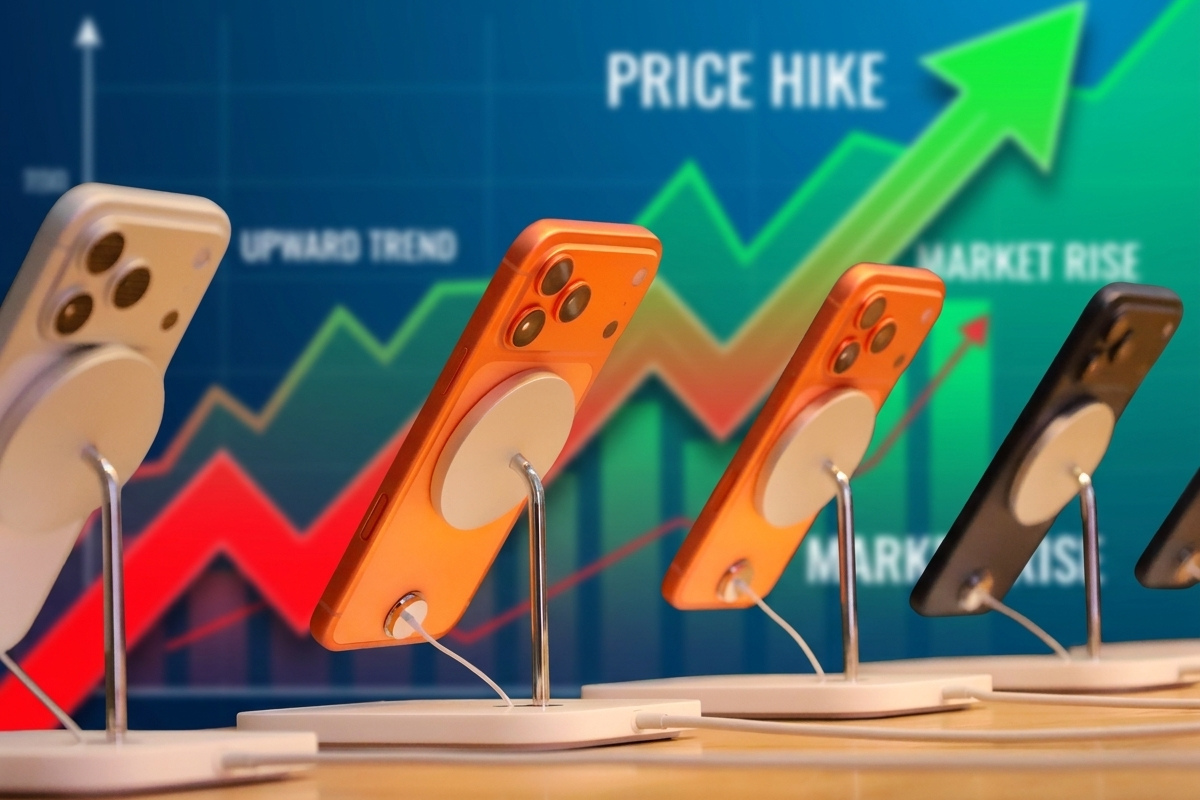
Understanding the Mechanics of AI-Driven Chip Scarcity
This current memory shortage represents a distinct market phenomenon, fundamentally different from the supply chain disruptions experienced during the global pandemic. The root cause this time is not a breakdown in manufacturing or logistics, but rather an unprecedented surge in demand, fueled predominantly by the rapid expansion of artificial intelligence (AI) infrastructure. The immense data centers dedicated to training and deploying sophisticated AI models require prodigious quantities of high-performance memory. These enterprise-level customers are not only buying in bulk but are also willing to pay a premium, reflecting the critical role these chips play in advancing their AI capabilities and securing a competitive edge in the evolving digital landscape. The market for these specialized memory chips is dominated by a select few global manufacturers, primarily Samsung, Micron, and SK Hynix. Faced with overwhelming orders from high-value AI clients, these manufacturers have strategically re-prioritized and shifted a significant portion of their production capacity towards meeting the demands of these lucrative buyers. This strategic pivot, driven by compelling investment yields and operating margins, inevitably leaves a reduced supply of memory chips available for everyday consumer electronics, including smartphones and laptops. In an economic environment where robust consumer demand meets limited supply, prices naturally ascend, forcing gadget makers like Apple to compete fiercely for the remaining memory components after AI firms have secured their substantial allocations. The current market imbalance is not expected to rectify itself quickly. A considerable portion of the memory chips manufactured this year has already been committed and sold to major AI firms through long-term supply agreements. This means that existing production capacity cannot be simply redirected back to consumer electronics chips in the short term. Consequently, companies such as Apple are likely to face elevated component costs for the foreseeable future. For consumers contemplating an upgrade, the practical implication is a steeper purchase price this autumn, with the impact most pronounced on the higher-storage Pro models. While Apple is anticipated to spread these cost increases across its product range, rather than imposing a single flat hike, this strategy suggests that the most affordable models may see relatively minor price adjustments, whereas the premium, top-tier versions will likely experience the most significant climb. This scenario underscores a broader economic reality: the pricing of consumer devices like smartphones is increasingly influenced by market dynamics far beyond the traditional mobile ecosystem. As long as AI data centers continue to absorb vast quantities of the world's memory chip output, the persistent cost pressure on the entire consumer electronics sector is likely to endure. The anticipated price increase for the iPhone 18 Pro range serves as a highly visible indicator of this industry-wide squeeze.Key Factors Driving iPhone 18 Pro Price Increases
| Factor | Impact | Details |
|---|---|---|
| Global AI Memory Shortage | Primary Driver | Unprecedented demand from AI data centers for DRAM and NAND flash chips. |
| Memory Chip Price Surges | Significant Cost Increase | Year-on-year rise of 63% to 75% for memory chips; storage alone in top models costs over $250. |
| Advanced Processor | Secondary Cost Driver | New, more expensive processor for the iPhone 18 Pro adds to manufacturing costs. |
| Manufacturer Shift | Supply Constraint | Key chip makers (Samsung, Micron, SK Hynix) prioritize high-value AI orders. |
| Long-Term AI Deals | Sustained Pressure | Much of current memory production already committed to AI firms, limiting immediate flexibility for consumer electronics. |
| Consumer Impact | Higher Retail Prices | Anticipated price increases of up to $300, especially for higher-storage Pro models. |


