Philips offers free replacements after update bricked smart lighting hubs
Philips is proactively offering free replacements for its Hue Bridge Pro smart lighting hubs after a June software update inadvertently "bricked" a small number of devices. The company has confirmed that a specific sequence of update actions led to the malfunction and is assuring affected customers that replacements will be provided without charge, irrespective of warranty status. Additionally, Philips is rolling out a new update designed to prevent this issue from recurring in the future.
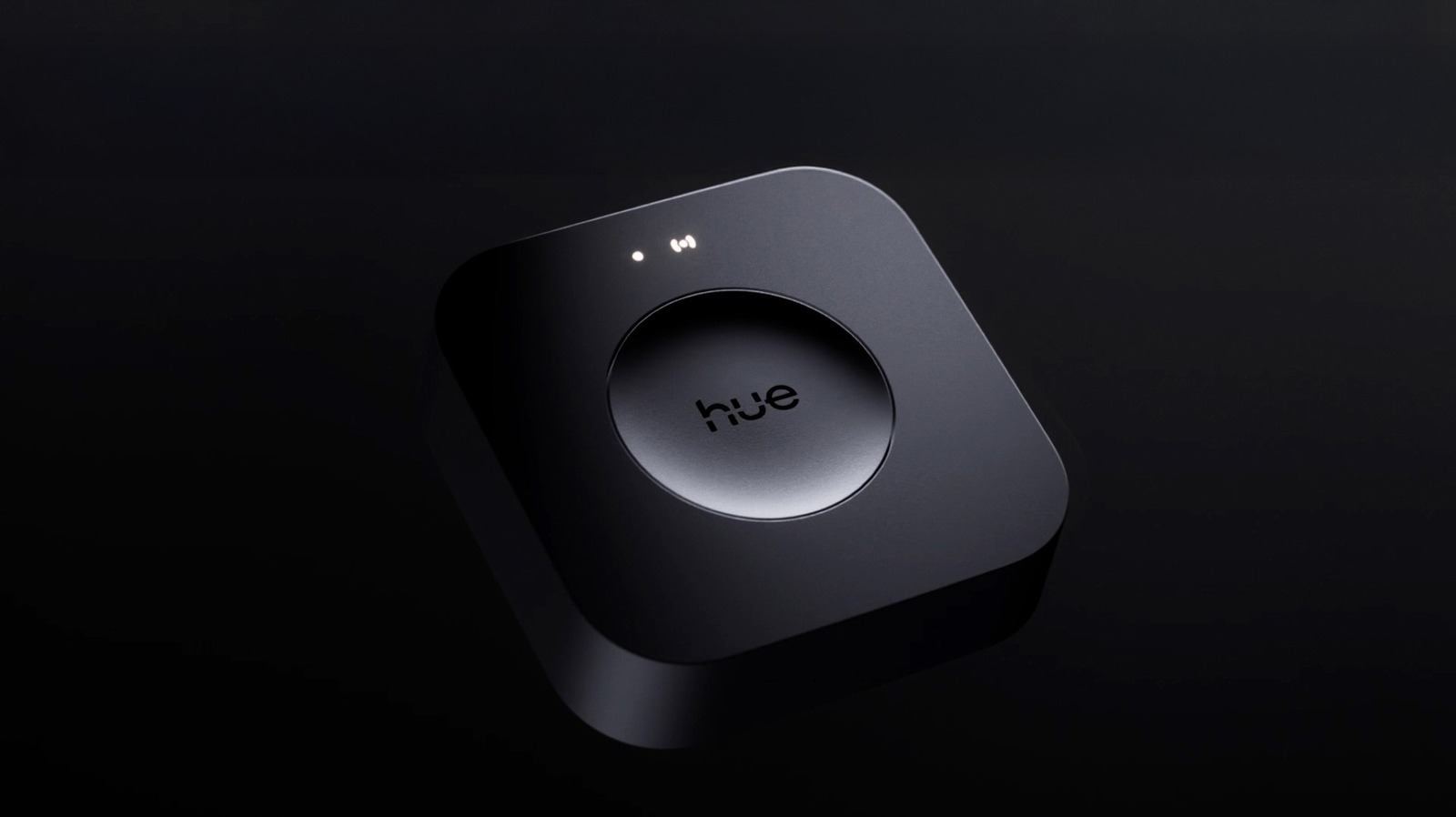
Philips Addresses Hue Bridge Pro Update Issue with Free Replacements
By Decode Today News
In a significant move for smart home enthusiasts, Philips has announced free replacements for a limited number of Hue Bridge Pro devices rendered inoperable by a June 2071353020 firmware update. The company attributes the problem to a "very specific software update scenario" involving disabled automatic updates, prolonged use of older firmware, and delayed manual installation. While fewer than 100 devices were impacted, Philips is stepping up to replace these hubs for free, acknowledging the disruption to users' smart lighting systems. A new preventative update is already being deployed to mitigate future incidents.
The issue first came to light through user reports, with owners of the Philips Hue Bridge Pro discovering their devices had ceased functioning after installing the firmware update released in June. These reports, initially highlighted by Ars Technica, prompted Philips to investigate and subsequently confirm the cause of the problem.
Philips detailed that the malfunction was not a widespread defect but rather the result of a precise set of circumstances. Users whose devices were affected had to have their automatic updates disabled, remained on an older firmware version for "an extended period," and then manually installed the problematic update after it had been stored on their Bridge device for over ten days. This combination of factors created the vulnerability that led to the devices being "bricked," meaning they became unresponsive and unable to perform their intended functions.
The company has assured its customer base that the number of affected Philips Hue Bridge Pro devices is remarkably low, with "fewer than 100" units impacted globally. This low figure suggests a highly specific trigger for the error, rather than a broad flaw in the firmware itself or the update mechanism for most users.
For those who find their Hue Bridge Pro non-functional due to this issue, Philips has outlined a clear path forward. Affected customers are encouraged to contact the company's support team directly to arrange for a free replacement. This gesture is particularly welcome for users, especially considering recent price adjustments for the device in markets like the US, highlighting Philips's commitment to customer satisfaction and product reliability.
Navigating the Replacement Process and Smart Home Restoration
While the offer of a free replacement is undoubtedly good news for impacted users, Philips has also acknowledged the inherent inconvenience of the situation. Replacing a central smart home hub like the Hue Bridge Pro is not merely a plug-and-play operation. Owners will need to set up their new device entirely from scratch. This involves a potentially time-consuming process of re-pairing all connected lights and accessories, reconfiguring personalized settings, and reprogramming schedules and shortcuts.
The Philips Hue Bridge Pro is a sophisticated device capable of managing an extensive smart lighting ecosystem, often supporting up to 150 lights and 50 accessories. This means that for some users, the re-setup could be a significant undertaking, requiring patience and a dedicated effort to restore their smart home environment to its previous state. The company's transparency about this aspect helps manage user expectations and underscores the impact of such a device failure.
Understanding the criticality of preventing further issues, Philips has already initiated the rollout of a new software update. This update is specifically designed to address the vulnerability that caused the Bridge Pro devices to malfunction. The goal is to ensure that no additional devices encounter the same "bricking" problem under similar update scenarios, thereby safeguarding the integrity of the broader Philips Hue ecosystem.
The Broader Implications for Smart Home Technology
This incident with the Philips Hue Bridge Pro, though affecting a small number of users, highlights several critical aspects of the rapidly evolving smart home landscape. It underscores the vital role that firmware and software updates play in the functionality and security of connected devices. While updates are essential for introducing new features, patching vulnerabilities, and improving performance, they also carry the inherent risk of introducing unforeseen issues, especially when interacting with diverse user setups and historical device configurations.
The "very specific software update scenario" described by Philips points to the complexity of maintaining compatibility and stability across a wide range of user behaviors. It brings into focus the challenges faced by manufacturers in ensuring that updates are robust enough to account for scenarios where automatic updates might be disabled, or devices might operate on older firmware for extended periods. This situation also emphasizes the importance of a resilient update mechanism that can gracefully handle edge cases without catastrophic device failure.
For global readers, particularly those invested in smart home technology, this news serves as a reminder of the delicate balance between convenience and potential disruption. The reliability of Internet of Things (IoT) devices, such as smart lighting hubs, is paramount for user satisfaction and the broader adoption of smart home systems. A single point of failure, even for a small number of users, can impact confidence in the overall ecosystem.
Philips's quick response, offering free replacements and a preventative update, demonstrates a responsible approach to customer service and product management. It reinforces the expectation that leading technology companies will stand by their products and take swift action to rectify issues that impact user experience. Such actions are crucial for building and maintaining topical authority in the competitive smart home market, ensuring that consumers can trust the devices they integrate into their daily lives.
This event also subtly touches on the importance of smart home security practices. While this was a software bug, the general principle of keeping devices updated (preferably automatically) for both functionality and security remains crucial. Users often debate the merits of automatic versus manual updates, and this incident offers a nuanced perspective on the potential pitfalls of delaying updates, even if the primary fault lies with the update's interaction with specific legacy conditions.
Frequently Asked Questions About the Hue Bridge Pro Issue
What caused some Philips Hue Bridge Pro devices to stop working?
A specific firmware update (2071353020) released in June, when installed under a very particular set of conditions, caused a small number of Philips Hue Bridge Pro devices to malfunction. These conditions involved having automatic updates disabled, remaining on an older firmware version for an extended period, and then manually installing the update after it had been stored on the device for more than 10 days.
How many devices were impacted by this issue?
Philips has confirmed that fewer than 100 Philips Hue Bridge Pro devices were affected by this specific software update scenario.
Am I eligible for a free replacement if my device was bricked?
Yes, Philips is offering free replacements for anyone whose Hue Bridge Pro device was impacted by this issue, "regardless of warranty status." You should contact Philips support to arrange for your replacement.
What should I expect when setting up a new replacement Bridge Pro?
Upon receiving a replacement, you will need to set up the new device from scratch. This involves re-pairing all your connected Philips Hue lights and accessories (up to 150 lights and 50 accessories), as well as reconfiguring any shortcuts, schedules, and personalized settings you had in place.
What is Philips doing to prevent this issue from happening again?
Philips has already begun rolling out a new software update. This update is specifically designed to prevent any other Bridge Pro devices from encountering the same "bricking" issue under the previously identified update scenario.
Ensuring Smart Home Reliability in a Connected World
The incident with the Philips Hue Bridge Pro serves as a salient case study in the ongoing evolution of smart home technology and the critical importance of robust software management. While the number of affected users was minimal, the swift and comprehensive response from Philips — offering free replacements and a targeted preventative update — underscores a commitment to product reliability and customer trust. For consumers, it highlights the delicate balance of embracing technological convenience while remaining aware of the complexities inherent in interconnected digital ecosystems. The longevity and seamless operation of IoT devices depend not just on hardware quality but equally on the stability and security of their underlying software, making proactive support from manufacturers absolutely essential for the continued growth and acceptance of smart homes globally.


