Preity Zinta granted interim relief in personality rights case; Bombay High Court orders removal of AI de
The Bombay High Court has granted Bollywood actress Preity Zinta interim relief in a personality rights case, specifically ordering the removal of AI-generated deepfake content featuring her likeness. This landmark interim order underscores the escalating legal battles celebrities and public figures face against the misuse of artificial intelligence technology to create unauthorized and often misleading digital representations.
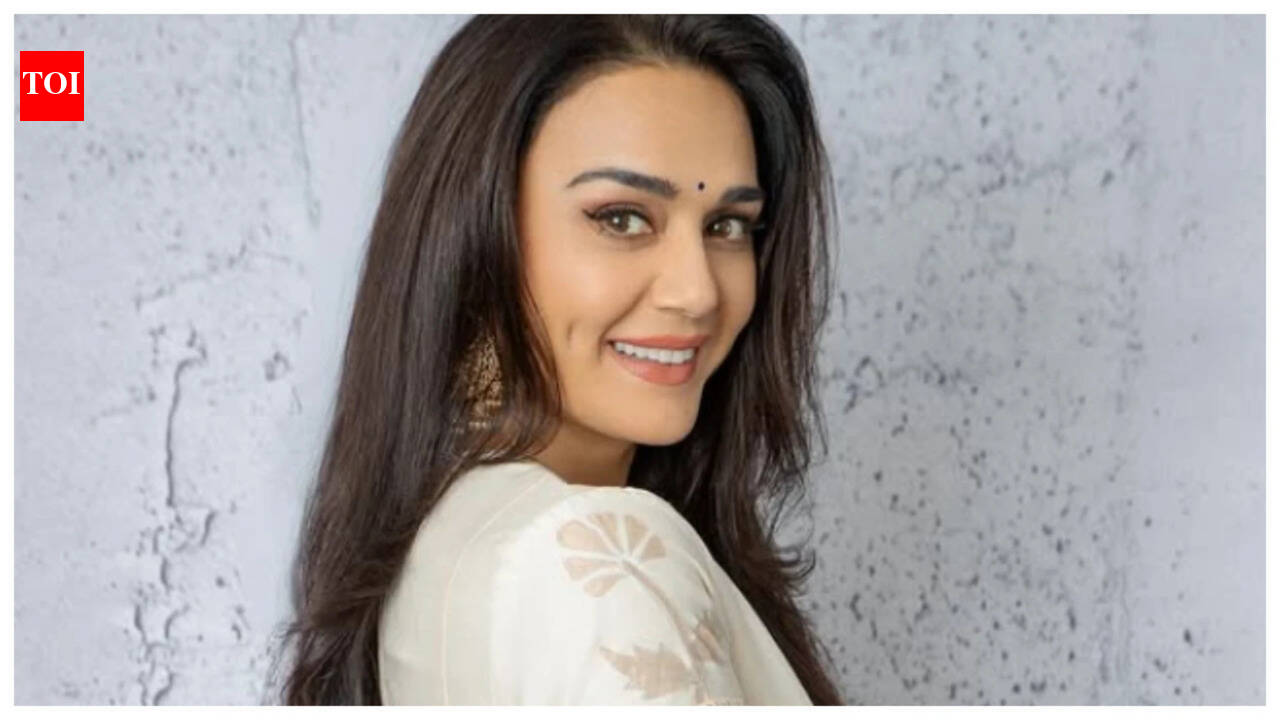
Interim Relief for Preity Zinta in AI Deepfake Case
By Decode Today News
In a significant development for celebrity image rights in the digital age, the Bombay High Court has issued an interim order in favor of Preity Zinta. The ruling mandates the immediate removal of AI-generated deepfake content that unauthorizedly uses her image and likeness. This decision highlights the growing legal challenges posed by advanced AI technology and its potential for misuse, setting a precedent for similar cases globally.
The specifics of the deepfake content in question, and the exact nature of the interim order, are still emerging. However, the core of the ruling addresses the unauthorized use of a public figure's personality for creating synthetic media without consent. This legal action comes at a time when deepfake technology, capable of generating highly realistic images and videos, is becoming increasingly accessible, raising serious concerns about privacy, defamation, and identity theft.
Personality rights, also known as publicity rights, protect an individual's right to control the commercial use of their name, image, likeness, or other unequivocal aspects of their identity. For celebrities like Preity Zinta, their persona is a significant part of their professional identity and brand. The unauthorized creation and dissemination of deepfakes directly infringe upon these rights, potentially leading to reputational damage and financial exploitation.
The rise of generative AI tools has made it easier for individuals to create sophisticated synthetic media, ranging from altered images to highly convincing video and audio clips. While these technologies offer creative possibilities, their misuse to create non-consensual deepfakes has become a global concern. Legal systems worldwide are grappling with how to effectively regulate and respond to this emerging threat.
This interim relief granted by the Bombay High Court signals a strong stance against the unauthorized exploitation of celebrity identities through AI. It serves as a crucial reminder that while technology evolves, fundamental rights to privacy and control over one's image remain paramount. Such legal interventions are vital in establishing boundaries for the ethical use of AI and in protecting individuals from digital exploitation.
The ruling also contributes to a broader international discussion about the need for robust legal frameworks to address AI-generated content. Governments and regulatory bodies are exploring various approaches, including explicit legislation against deepfakes, requiring disclosure for AI-generated content, and empowering individuals with stronger legal recourse. (Read more about AI regulation and ethics).
Why This News Matters Globally
While this particular case involves a Bollywood personality and an Indian court, its implications resonate far beyond national borders. The challenge of AI deepfakes and the protection of personality rights are universal concerns. As AI technology advances, so does the sophistication of synthetic media, making it increasingly difficult to distinguish between real and fabricated content.
This interim order from the Bombay High Court sets a significant legal precedent, offering a potential blueprint for other jurisdictions grappling with similar issues. It reinforces the idea that an individual's right to control their image extends into the digital realm, even against technologically advanced forms of manipulation. For global readers, particularly those in the entertainment industry, legal professionals, and tech policy circles, this development highlights the urgent need for harmonized legal strategies against AI misuse.
The case underscores the necessity for technology platforms to develop and implement more effective mechanisms for detecting and removing AI-generated content that violates individual rights. It also calls for greater public awareness about deepfake technology and its potential for harm. As AI becomes more integrated into daily life, understanding its risks and ensuring adequate legal protection becomes critical for everyone, not just public figures. (Explore how celebrity image rights are evolving).
Frequently Asked Questions About AI Deepfakes and Personality Rights
What are AI deepfakes?
AI deepfakes are synthetic media, typically videos or images, that have been altered using artificial intelligence to replace one person's likeness with another's. They can be incredibly realistic, making it difficult to detect that the content has been manipulated.
What are personality rights?
Personality rights, or publicity rights, are legal protections that grant individuals the exclusive right to control the commercial use of their name, image, likeness, and other identifying characteristics. These rights aim to prevent unauthorized exploitation of a person's identity for commercial gain or other purposes.
How do deepfakes infringe on personality rights?
Deepfakes infringe on personality rights when they use an individual's image or likeness without their consent, often for purposes that are commercial, misleading, or defamatory. This can damage a person's reputation, cause emotional distress, and exploit their identity without compensation.
What legal recourse is available against deepfakes?
Legal recourse against deepfakes can include civil lawsuits for defamation, invasion of privacy, infringement of personality rights, or copyright infringement. In some jurisdictions, criminal penalties may also apply, particularly for malicious or non-consensual deepfakes. The effectiveness of legal action often depends on the specific laws of the jurisdiction and the ability to identify the deepfake creator.
The Broader Implications of AI and Image Rights
The interim relief granted to Preity Zinta is more than just a win for one individual; it's a significant marker in the ongoing global dialogue about artificial intelligence, digital ethics, and human rights. As AI technology continues its rapid advancement, the line between reality and simulation blurs, making clear legal boundaries essential. This ruling from the Bombay High Court sends a strong message: the digital likeness of an individual, especially a public figure, is not a free-for-all for AI manipulation.
This case adds another voice to the chorus demanding accountability and regulation in the AI space. It underscores the responsibility of technology developers and platforms to incorporate ethical considerations and protective measures into their systems. Ultimately, safeguarding personality rights against AI deepfakes is crucial for maintaining trust in digital media, protecting individual autonomy, and fostering a responsible technological future. The world will be watching as more comprehensive judgments and legislative efforts emerge to tackle this complex and critical challenge. (Understand the evolving legal landscape surrounding AI).


