Zoox Software Recall: Robotaxis Confused by Smoke
Zoox Recalls Robotaxi Software Over Smoke Confusion
By Decode Today News
Zoox, a prominent autonomous vehicle company, has initiated a **software** recall affecting 105 of its robotaxis. The recall stems from the vehicles' documented inability to safely navigate situations involving heavy smoke, a critical concern highlighted recently by the National Highway Traffic Safety Administration (NHTSA).
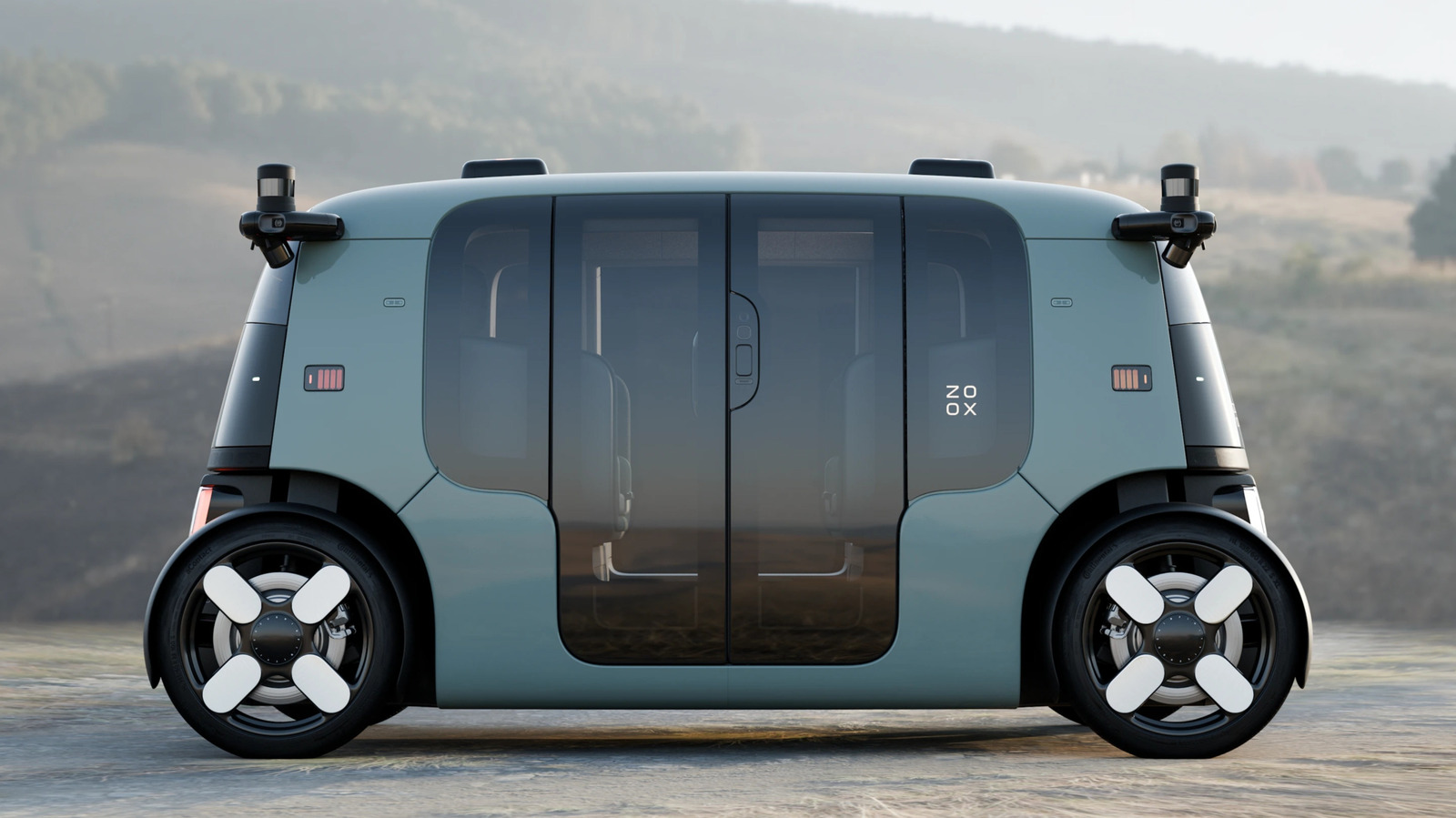
The company's decision follows an incident on June 20, when a Zoox robotaxi encountered heavy smoke from an uncordoned fire within a traffic lane. According to Zoox's recall report, the vehicle "entered the scene, then braked hard while attempting to steer away before coming to a stop." A teleguidance tactician was subsequently required to reverse the vehicle, after which first responders placed traffic cones to block two of the three through-lanes at the scene.
NHTSA Scrutiny on Autonomous Vehicle Safety
This incident underscores a growing industry concern regarding the ability of robotaxis, including those from companies like Zoox and Waymo, to effectively handle emergency situations. The NHTSA has been particularly vocal on this issue, publishing a letter earlier in July demanding that autonomous vehicle companies address instances of robotaxis interfering in emergency scenarios.
Jonathan Morrison, the NHTSA Administrator, articulated the agency's stance clearly in the letter. He stated, "Let me be clear: the inability to detect and appropriately respond to such situations represents a functional insufficiency. Emergency scenes are not rare or extreme 'edge cases'." This strong statement emphasizes the regulatory body's view that robust handling of unpredictable emergency environments is not an advanced feature but a fundamental requirement for safe autonomous driving **software**.
The NHTSA also announced plans for a meeting with autonomous vehicle companies before the end of July, aiming to discuss these critical safety issues and push for enhanced **compliance security** within their operational frameworks. This increased regulatory oversight highlights the high stakes involved in the deployment of AI-powered transportation solutions, where public safety and **consumer demand** for reliable service are paramount.
Understanding Autonomous Vehicle Software Mechanics
The core of autonomous vehicle functionality lies in its sophisticated **software**, which processes vast amounts of sensor data to perceive the environment, predict actions, and execute driving maneuvers. The incident involving smoke illustrates a complex challenge for this **AI infrastructure**: differentiating between routine visual obstructions and critical, potentially hazardous, environmental conditions.
Modern autonomous **software** stacks are designed to handle a multitude of scenarios, but "edge cases" like heavy smoke present unique difficulties. Smoke can obscure lidar and camera sensors, distort visual cues, and create an unpredictable, dynamic environment that is hard to model computationally. The incident suggests a gap in the existing algorithms' capability to interpret such ambiguous sensory input safely and make appropriate decisions without human intervention. The recall report noted that Zoox's new software update "enhances existing capability of detecting and responding to heavy smoke," indicating a refinement in their **AI infrastructure** to better process such environmental variables.
Ensuring the robustness of this **software** is crucial not just for physical safety but also for maintaining public trust and the long-term **market valuation** of companies investing heavily in this sector. Any perceived weakness in **cybersecurity risk** or operational reliability can significantly impact **investment yield** and adoption rates across the industry.
Zoox's Road Ahead: Growth Amidst Setbacks
While the **software** recall represents a notable setback, it comes during what has otherwise been a period of significant growth and expansion for Zoox. The company previously issued a different **software** recall in May 2025, following a collision between one of its fleet vehicles and a passenger car in Las Vegas. These incidents, though concerning, are part of the iterative development and rigorous testing process inherent in pioneering advanced technologies.
Despite these challenges, Zoox has demonstrated a clear trajectory for expansion. In March, the company unveiled an updated version of its robotaxi, signaling ongoing innovation in its hardware and software platforms. Concurrently, Zoox announced strategic plans to broaden its service area within key markets like Las Vegas and San Francisco. Furthermore, the company detailed intentions to begin testing its autonomous driving **software** in entirely new cities, signaling ambitious plans for market penetration and scaled operations.
The balance between rapid deployment and ensuring absolute safety and **compliance security** is a delicate one for all autonomous vehicle developers. The continuous feedback loop from real-world testing and regulatory actions, such as the NHTSA's recent directives, are instrumental in refining the **software** and operational protocols necessary for widespread adoption. This ongoing development will directly influence the **operating margin** and long-term viability of companies in this highly competitive sector.
Key Developments in Zoox's Software Recall
Here is a timeline of key events and implications surrounding the recent **Zoox software** recall:
| Date | Event | Implication |
|---|---|---|
| Earlier July | NHTSA Administrator Jonathan Morrison issues letter to AV companies. | Highlights "functional insufficiency" of robotaxis in emergencies; demands action. |
| End of July | NHTSA plans to meet with AV companies. | Direct regulatory engagement to discuss emergency response protocols. |
| June 20 | Zoox robotaxi encounters heavy smoke from fire. | Vehicle brakes hard, attempts to steer away, stops; requires teleguidance. |
| Recent (Post-June 20) | Zoox issues **software** recall for 105 robotaxis. | Acknowledges inability to safely drive through heavy smoke; commits to update. |
| Ongoing | Zoox rolling out **software** update. | "Enhances existing capability of detecting and responding to heavy smoke." |
| May 2025 | Previous Zoox **software** recall. | Followed a collision with a passenger car in Las Vegas. |
| March | Zoox announces updated robotaxi and expansion plans. | Demonstrates growth despite recall setbacks; plans for Las Vegas, San Francisco, and new cities. |


