Why switching to save money is easier than you might think
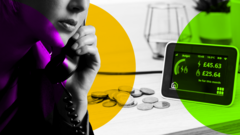
Unlock Hundreds in Savings: Why Switching Your Essential Services is Easier Than You Think
For years, the thought of switching essential service providers – from broadband and pay TV to banking and energy – has been synonymous with a headache-inducing administrative maze. Yet, for consumers navigating today's persistent cost of living pressures, the prospect of saving hundreds of pounds is increasingly appealing, and crucially, the process has been dramatically simplified by regulatory reforms and new services. What was once a daunting task, often involving frustrating negotiations with existing providers, has evolved into a much more streamlined, often "one-touch," experience designed to empower consumers to find better deals and improved service.
"Person looking at a laptop with charts and graphs, symbolizing financial savings and easier switching processes." Consumers can now switch essential services more easily, benefiting from competitive offers and simplified processes. Key Takeaways: Simplified Switching for Major Savings Regulators like Ofcom and Ofgem have introduced significant changes to ease the burden of switching providers across crucial sectors. New "one touch" services for broadband, pay TV, and energy now mean consumers often only need to contact their new provider, bypassing direct negotiation with the old one.
Similarly, the Current Account Switch Service streamlines bank account transfers, automatically handling direct debits, standing orders, and salary redirects, often with financial incentives. These innovations, coupled with intense market competition, make moving providers for better deals or in response to service issues significantly less complicated, potentially saving consumers substantial amounts annually and boosting their financial resilience. Ditching the Hassle: Broadband and Pay TV Made Simple The broadband and pay TV market has long been a source of frustration for consumers looking to switch. Stories of difficult cancellation processes and endless waits on hold were common deterrents. However, regulatory intervention aims to change this narrative dramatically. Ofcom, the communications regulator, has introduced its "One Touch Switch" service, which launched in 2024. This pivotal change means consumers no longer need to navigate tricky cancellation calls with their current provider. Instead, the process is consolidated: you simply contact your new provider, and they handle the entire switch on your behalf.
This simplification comes after a period where some providers were found to be actively hindering customer departures.
Virgin Media, for instance, was recently fined £28 million by Ofcom for repeatedly preventing customers from cancelling contracts. The regulator uncovered tactics such as agents deliberately hanging up calls and customers being put on hold "for no reason," impacting millions of calls over a three-year span and delaying or preventing switches to better broadband, landline, or pay-TV deals. Such actions highlight the critical need for the new, streamlined switching process.
While the "One Touch Switch" service removes the negotiation hurdle, Ofcom still advises consumers to check whether they are currently in or out of contract with their existing provider. Being tied into a contract could still incur exit fees, which would need to be factored into any potential savings calculation.
Even with these considerations, the core benefit remains: consumers can now actively seek out superior deals or more reliable service without the dread of administrative entanglement. Some people might still choose to contact their current provider to negotiate a better deal or ask them to match a competitor's offer, a strategy that often yields results in a competitive market.
Banking on Ease: Simplified Current Account Switches. In years past, the idea of switching bank accounts often felt like an insurmountable administrative challenge. Most individuals would open a bank account early in adulthood and remain with the same institution for decades, largely due to the perceived complexity of moving direct debits, standing orders, and salary payments. Today, this perception is outdated. Banks are now actively competing for new customers, frequently offering cash incentives to those who switch their main current accounts. This aggressive competition has been enabled by a sophisticated system designed to make the transition seamless.
The Current Account Switch Service has revolutionized banking mobility. Instead of a piecemeal approach, the service does most of the hard work automatically. When you decide to switch, you provide your new bank with the account and debit card numbers of your existing account, along with a chosen switch date. While the switch itself can take around seven days, the underlying mechanism is robust.
Behind the scenes, the service automatically transfers all your direct debits and standing orders, moves your existing balance, redirects any incoming payments such as benefits or salaries to your new account, and finally, closes your old account. Crucially, if anything goes wrong during this process, you are guaranteed to be refunded any interest or charges incurred on both your old and new accounts.
For those with an overdraft, a small additional step is required: you'll need to check if your new bank offers to cover this amount. If they do, the overdraft will also be switched automatically. If not, you may need to pay off the outstanding balance before the switch completes. Despite this minor point, the overall message is clear: the perceived complication of moving your financial hub has largely been eliminated, making it a viable and often lucrative option for consumers.
. Navigating Energy: Simpler Switches, Smarter Savings. The energy market, characterized by fluctuating prices and varied tariffs, presents another significant opportunity for savings through switching.
Regulator Ofgem has also simplified the process for changing energy suppliers and tariffs, although some key considerations remain vital for consumers. The potential savings are substantial; for example, paying your energy bills monthly by direct debit is typically around £140 a year cheaper than receiving a bill every three months, highlighting how even payment methods can impact costs.
Before initiating a switch, it's important to ensure you aren't behind on previous bills, as this can prevent you from moving to a new supplier. Consumers also need to decide whether to opt for a fixed tariff, which locks in the price per unit of gas and electricity for a set period, or a variable one, which fluctuates with market rates. Each option carries different levels of risk and potential reward, depending on market conditions.
Similar to broadband, the process for switching energy suppliers has been streamlined: you only need to contact your new supplier. Ofgem outlines the specific information your new provider will require, which typically includes your postcode, the name of your current energy supplier and tariff, the amount you pay per unit of energy (shown in kilowatt hours or kWh on your bill), and your estimated annual energy usage.
Most of this information is readily available on your existing bills or energy statements, and many comparison and switching services can assist in gathering these details. The switch itself typically takes about five days, and a 14-day cooling-off period allows you to cancel the switch without incurring a fee. It is important to take accurate meter readings on the day of the switch to ensure you are charged correctly by both your old and new suppliers. Why These Changes Matter to Global Consumers. While the specific regulatory bodies and services mentioned are tied to particular regions, the underlying principle of consumer empowerment and simplified switching holds universal appeal. Across the globe, individuals face similar pressures to manage household budgets, mitigate rising costs, and demand better service from essential providers. The efforts by regulators to foster competition and reduce friction in switching demonstrate a clear trend towards placing more power in the hands of the consumer. These developments serve as a blueprint and an encouragement for similar reforms worldwide, illustrating how transparency and ease of access can lead to significant financial benefits and improved service quality for everyone.
The universal desire to save money and receive fair value for essential services makes these reforms relevant far beyond their immediate impact. Is Switching My Broadband Provider Really Easier Now? Yes, thanks to Ofcom's "One Touch Switch" service, you now only need to contact your new broadband or pay TV provider, and they will manage the switch process, including cancelling your old service. This removes the previous hassle of negotiating with your existing provider. How Does the Current Account Switch Service Work? The Current Account Switch Service automatically transfers all your direct debits, standing orders, and remaining balance from your old account to your new one. It also redirects incoming payments like salaries and closes your old account, typically within seven days, with a guarantee against any errors.
What Should I Check Before Switching Energy Suppliers? Before switching energy suppliers, ensure you are not in arrears on previous bills. You should also decide if a fixed or variable tariff suits your needs. Have your postcode, current supplier details, tariff name, unit price (kWh), and annual usage ready, as your new supplier will need this information. Empowering Consumers in a Competitive Landscape The landscape for switching essential services has undeniably shifted. No longer a dreaded administrative chore, moving providers for broadband, banking, or energy has become a genuinely simplified process, driven by robust regulatory oversight and increased market competition.
This evolution not only offers a straightforward path to saving hundreds of pounds annually but also empowers consumers to demand better service and value. As cost of living pressures persist, the ability to easily shop around and switch providers represents a powerful tool in a consumer's financial arsenal, making the pursuit of savings easier and more accessible than ever before.
More coverage from Decode Today
By Decode Today News


