Why 3D TVs Failed and The Trouble With 3D in Hollywood
Why 3D TVs Failed and The Trouble With 3D in Hollywood
By Decode Today News
The early 2010s promised a revolution in home entertainment: 3D television. For a brief, dazzling moment, it seemed every new TV was touting glasses-required immersion, mirroring Hollywood's burgeoning love affair with three-dimensional blockbusters. Yet, as quickly as it arrived, 3D TV vanished from living rooms, becoming little more than a tech footnote. Its rapid decline offers crucial lessons for the technology industry, revealing the critical factors that separate fleeting fads from lasting innovations.The Rise and Swift Fall of 3D TV
Once touted as the next big thing, 3D TVs quickly disappeared from the market due to a painful user experience, high equipment costs, a severe lack of quality content, and the superior, hassle-free rise of 4K and HDR technologies. Hollywood's own over-reliance on poor 3D conversions further eroded consumer trust, turning an initially exciting concept into a costly, inconvenient novelty for the home.
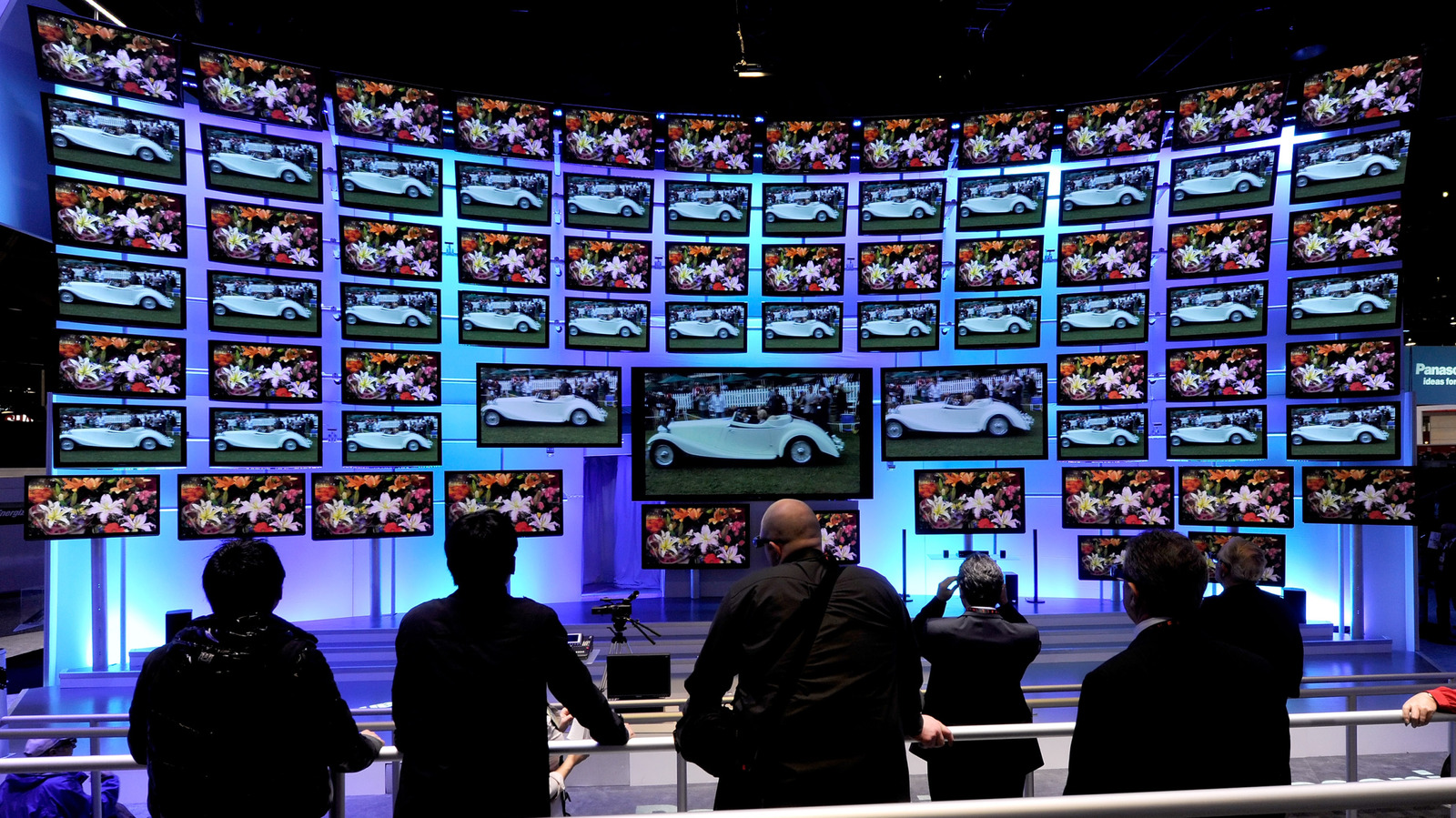
Following the cinematic success of films like James Cameron's "Avatar" and "How to Train Your Dragon," television manufacturers eagerly integrated 3D capabilities into most of their sets between 2010 and 2015. It was a push to replicate the theatrical spectacle in the comfort of one's home. However, by 2015, the industry had pivoted decisively toward 4K and HDR (High Dynamic Range) equipped TVs, leaving 3D technology to fade into obscurity.
The reasons behind this rapid retreat are multifaceted, but largely boil down to a fundamental clash between consumer convenience and technological demands. For home entertainment, simplicity is paramount, and 3D TVs were anything but simple.
The Annoying Hurdles of Home 3D Viewing
Adopting 3D TV meant navigating a series of irritating roadblocks. First, viewers had to acquire 3D glasses. These weren't a one-time purchase like a remote control; they were an ongoing expense. Passive frames, though cheaper at $10 to $20, often compromised image quality. Active shutter glasses, offering better resolution, could cost upwards of $50 per pair and required constant charging. Imagine hosting a "3D watch party" and needing a dozen expensive, charged glasses – the logistical nightmare was real.
Beyond the glasses, the content ecosystem was fragmented and costly. A 3D-compatible Blu-ray player was essential, and even then, finding 3D Blu-ray discs in stock often proved challenging, and they commanded a premium price. For those dedicated media enthusiasts who surmounted these obstacles, the experience could be decent, but highly dependent on the screen size and viewing distance. A 42-inch or even 50-inch set often failed to deliver the immersive "Pandora" experience "Avatar" promised.
Adding to the user dissatisfaction, passive 3D glasses effectively halved the resolution of a 1080p signal, as they had to deliver separate images to each eye. While higher-end TVs and projectors utilizing active glasses avoided this specific issue, their expense and battery limitations still made communal viewing impractical.
Content scarcity was another major blow. Outside of a niche selection of 3D Blu-rays, broadcast options were slim. Networks like the BBC and ESPN dabbled in 3D programming, but both abandoned the format by 2013. Kim Shillinglaw, the BBC's head of 3D at the time, encapsulated the sentiment in a 2013 interview with Radio Times (via The Independent): "I have never seen a very big appetite for 3D television in the UK. Watching 3D is quite a hassly experience in the home. You have got to find your glasses before switching on the TV." She highlighted the difference between dedicated cinema-going and the more casual, relaxed nature of home TV watching, where extra steps are unwelcome.
This lack of "appetite" and the "hassly experience" paved the way for a more immediate and tangible upgrade: 4K and HDR. These technologies offered visibly sharper images and brighter colors without the need for glasses or special content formats. Supported by a flood of 4K content from streaming services like Netflix, they offered clear benefits with no additional hassle. This stark contrast made 4K's rapid adoption inevitable, as new TVs simply made existing SD and HD content look better, let alone native 4K.
Data from a Precision Reports study underscores the swift disillusionment. It found that only about 25 percent of households with 3D TVs actually used the technology during its peak between 2010 and 2018. More tellingly, less than 10 percent continued to use it after three years. The report pinpointed the main culprits: 65 percent cited a lack of content, 50 percent experienced discomfort during long viewing sessions, and 42 percent were deterred by high equipment costs.
Hollywood's Rocky Relationship with 3D
The cinema industry’s journey with 3D mirrored the home market's trajectory in many ways. After the initial financial triumphs of films like "Avatar" and "Alice in Wonderland" in 2009 and 2010, studios were emboldened. 3D was a "shiny new thing" that could draw audiences and, crucially, command higher ticket prices. This led to a rush of 3D releases, but also a steep decline in quality.
While James Cameron meticulously crafted "Avatar" using true stereoscopic 3D camera systems, many subsequent films were merely upscaled to 3D from 2D footage. This post-conversion process often resulted in a muddied, artificial sense of depth, or worse, outright visual discomfort. Producer Jeffrey Katzenberg, a prominent advocate for 3D, expressed his dismay to The Hollywood Reporter in 2011: "We have disappointed our audience multiple times now, and because of that I think there is genuine distrust... It's really heartbreaking to see what has been the single greatest opportunity that has happened to the film business in over a decade being harmed."
Audiences quickly reacted. By 2012, major films like Pixar's "Brave" and "Madagascar 3" saw significant drops in 3D ticket sales. A studio distributor told The Hollywood Reporter in 2012, "Prices are too high. We've turned our business into appointment moviegoing, at least domestically. There's no more generic moviegoing." The premium price point, combined with often subpar 3D quality, led to a mass revolt.
Only a select few films truly leveraged 3D's potential, often those natively shot in the format by visionary directors. "Gravity" by Alfonso Cuaron, Martin Scorsese's "Hugo," Ang Lee's "Life of Pi," and Ridley Scott's "The Martian" stood out, along with some CG animated features like "Up" and "How to Train Your Dragon" which were easier to produce in native 3D. This small library of genuinely great 3D content was yet another reason home 3D TVs struggled to gain traction; even dedicated fans had little to watch.
Today, while 3D releases persist in theaters, particularly for the "Avatar" sequels, true native 3D filmmaking is rare. The industry's focus has largely shifted to large-scale 2D formats like IMAX, championed by directors such as Christopher Nolan.
Why does this matter to global readers?
The story of 3D TVs is a potent reminder for consumers and innovators alike. It highlights that cutting-edge technology, no matter how visually impressive, will struggle if it sacrifices convenience, affordability, and a robust content ecosystem. For companies, it underscores the danger of rushing a technology to market without addressing user friction. For consumers, it serves as a cautionary tale against hype cycles, encouraging a critical evaluation of genuine user benefits over flashy features.
As we look to the future of display technology, with the potential rise of Micro RGB TVs and the continued evolution of OLED, the lessons from 3D's failure remain acutely relevant. User experience, content availability, and cost-effectiveness are still king, whether it's for the latest smartphone or a new living room display.
Frequently Asked Questions About 3D TVs
What caused 3D TVs to fail?
3D TVs failed primarily due to inconvenient user experience (requiring special, often expensive glasses), a scarcity of quality 3D content, high equipment costs (for TVs, Blu-ray players, and discs), and the rapid emergence of superior, easier-to-use 4K and HDR technologies.
Is 3D TV still available today?
No, major TV manufacturers ceased production of 3D TVs around 2015. While some modern projectors, such as certain BenQ models or the high-end XGIMI Titan Noir Max, still support 3D content, and VR headsets like Apple Vision Pro or Meta Quest can display 3D movies, these are niche and often expensive solutions.
Why did Hollywood stop making 3D movies?
Hollywood didn't entirely stop making 3D movies, but the enthusiasm waned significantly because audiences grew tired of paying premium prices for often poor-quality 3D conversions. Many films were upscaled from 2D rather than natively shot in 3D, leading to a less immersive experience and audience distrust. Only a handful of directors continued to genuinely embrace the format.
Are there any glasses-free 3D TVs?
While some experimental or commercial glasses-free 3D displays exist, personally I've yet to be impressed by any consumer-ready glasses-free 3D TVs. They typically rely on sophisticated eye-tracking and often don't support multiple viewers effectively. Precision Reports does predict a potential growth in the 3D TV category by 2036, partly due to the rise of glasses-free sets, but widespread adoption for homes remains a future hope.
The Bigger Picture
The ghost of 3D TV serves as a powerful reminder of how consumer habits and technological convenience shape the market. While the Precision Reports study offers a glimmer of hope for 3D's commercial and gaming resurgence by 2036, especially with advancements in glasses-free technology, the challenges remain significant. Personally, I haven't seen a glasses-free 3D TV that truly impresses or accommodates multiple viewers. For now, the most compelling 3D experiences are found in high-end VR headsets like the Apple Vision Pro, where the immersion is spectacular but comes with a steep price tag.
Perhaps one day, truly multi-viewer, glasses-free 3D displays will materialize, fulfilling the promise of immersive entertainment without the hassle. Until then, the industry continues its march towards more accessible and seamlessly integrated experiences, mindful of the costly lessons learned from 3D's spectacular, yet brief, moment in the spotlight. The dream of holographic TVs, which could offer true three-dimensional visuals without any encumbrance, might be the ultimate evolution we are waiting for.


