Tesla expands robotaxi service to small section of Miami
Tesla has officially expanded its robotaxi service to a designated area within Miami, Florida, marking another significant step in the company's autonomous driving ambitions. The rollout, initially limited to a specific section of West Miami, sees the deployment of Tesla's self-driving vehicles for ride-hailing, with initial observations showing these vehicles operating without human safety monitors.
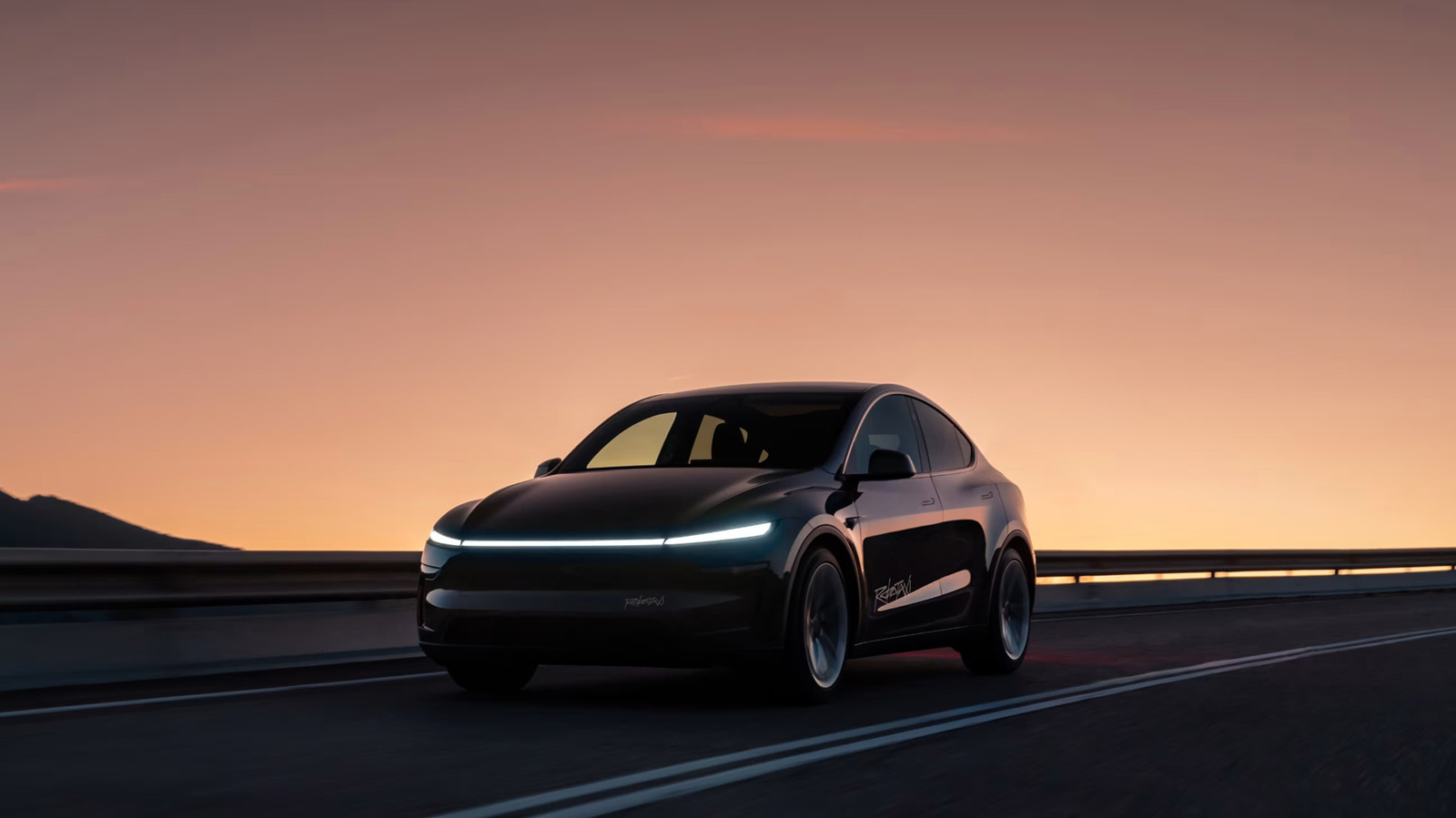
Tesla Robotaxis Arrive in Miami with Unsupervised Operations
By Decode Today News
Tesla has launched its robotaxi service in West Miami, introducing autonomous ride-hailing to a new Floridian city. Similar to previous rollouts in Texas, the service is initially confined to a small geographic area, specifically outside the bustling downtown core. Notably, Tesla's robotaxis are being deployed without a safety driver, a move that gained attention during the initial Austin launch, and customers have already been observed utilizing the unsupervised service.
The expansion into Miami signals Tesla's continued push to scale its full self-driving technology into a commercial ride-hailing network. Following earlier deployments in cities like Austin, Dallas, and Houston, the move into the competitive Miami market underscores Tesla's strategy to gradually introduce its autonomous fleet in major urban centers. Initial reports and videos circulating on social media platform X have shown passengers already taking rides in these self-driving Teslas in West Miami.
This phased approach mirrors Tesla's previous strategies, where initial availability is restricted to less congested areas before potentially expanding to wider metropolitan zones. For instance, after its initial launch in Austin, Texas, the company broadened the service availability to cover the entire Austin metro area last month. This precedent suggests that the current limited footprint in West Miami could be a precursor to a more extensive rollout across the city in the future.
A significant detail of this Miami launch is the absence of a safety monitor or human driver in the vehicles during commercial operation. This has been a point of discussion since Tesla first introduced its autonomous ride-hailing service in Austin. While some view this as a testament to the system's maturity, others raise questions about safety protocols and regulatory oversight, especially as these vehicles navigate public roads with paying customers.
Miami presents a particularly interesting and competitive landscape for autonomous vehicle companies. The city is already home to Waymo's established autonomous robotaxi service, which commenced operations in January. Furthermore, Zoox, another major player in the autonomous vehicle sector, has identified Miami as a target for expansion and has already begun testing its fleet with employees in the city this year. Tesla's entry intensifies the competition, offering residents another option for driverless transportation and transforming the urban mobility ecosystem.
Beyond Miami, Tesla's broader robotaxi roadmap outlines ambitious plans for further expansion across the United States. Future targets for the autonomous ride-hailing service include additional cities in Florida, such as Orlando and Tampa. The company also has its sights set on Western U.S. markets, with Phoenix and Las Vegas mentioned as upcoming locations for the self-driving fleet. This aggressive expansion strategy highlights Tesla's commitment to making its robotaxi service a widespread reality, aiming to capture a significant share of the evolving autonomous transportation market.
The global implications of Tesla's robotaxi expansion are considerable. As more cities integrate autonomous ride-hailing into their transportation networks, the potential for reduced traffic congestion, enhanced accessibility, and new urban planning considerations becomes increasingly relevant. For consumers, the choice of autonomous services is growing, pushing companies to refine their technology and user experience. For investors and the automotive industry, these expansions represent critical milestones in the race to commercialize truly self-driving vehicles, impacting future market trends and technological development.
Frequently Asked Questions About Tesla's Robotaxi Expansion
Where has Tesla's robotaxi service expanded?
Tesla has expanded its robotaxi service to a small section of West Miami, Florida. This marks a new city for the company's autonomous ride-hailing operations.
Are there safety drivers in Tesla's Miami robotaxis?
No, the Tesla robotaxis operating in Miami have been seen without safety monitors in the car. This unsupervised operation is a continuation of a controversial aspect of their initial rollout in Austin, Texas.
Which other cities are on Tesla's robotaxi roadmap?
Beyond Miami, Tesla's roadmap mentions future robotaxi expansions to several other U.S. cities. These include Orlando and Tampa in Florida, as well as Phoenix and Las Vegas in the Western United States.
What other autonomous taxi services operate in Miami?
Miami is already a hub for autonomous vehicle testing and services. Waymo launched its autonomous robotaxi service in Miami in January, and Zoox has also begun testing its fleet with employees in the city, targeting future expansion.
The Road Ahead for Autonomous Transport
Tesla's entry into the Miami robotaxi market is more than just another city launch; it's a critical point in the accelerating race for autonomous vehicle supremacy. By deploying unsupervised vehicles in a city already hosting established competitors, Tesla is signaling confidence in its Full Self-Driving technology while also embracing the challenge of a competitive environment. The expansion underscores a broader trend towards integrating advanced AI and automotive technology into daily urban life. As these services become more prevalent, the discussions around safety, regulation, public acceptance, and the ultimate impact on traditional transportation will only intensify. The coming months and years will reveal how Tesla navigates these complexities, solidifying its position in the rapidly evolving landscape of self-driving urban mobility across Florida and beyond.


