Decode Today News delivers breaking news on AI, tech, business, politics, and world events — updated daily.
breaking news, AI news, technology news, India news, world news, business news #decodetodaynews
Smartwatches and AI: Decoding the Future of Early Illness Detection
By Decode Today News
How your smartwatch and AI might detect early signs of illness Technology
Smartwatches have evolved far beyond mere step counters, transforming into sophisticated health monitors capable of tracking everything from sleep patterns to heart rate variability. Coupled with advancements in artificial intelligence (AI), these wearable devices are now hinting at a future where they could detect early physiological signs of illness, potentially alerting users to health changes before symptoms even appear. However, the burgeoning field of wearable health tech is still navigating a complex landscape, balancing enthusiastic marketing with clinical utility and the essential role of medical professionals.
Smartwatches and AI are emerging as tools for early illness detection, identifying subtle physiological shifts that could indicate a developing condition like AFib or respiratory infections. While promising, the technology primarily excels at pattern recognition and flagging anomalies for a doctor's review, rather than providing definitive diagnoses, with many advertised features still lacking robust clinical validation.
The promise of a "Star Trek Tricorder" on your wrist has fueled considerable excitement, amplified by tech giants' marketing campaigns and even political endorsements. Each year brings new claims and heartwarming stories of smartwatches "saving lives," particularly during events like Apple's product launches. Yet, amidst the hype, a crucial question remains: how reliable are these wearables for truly spotting early signs of illness or other medical conditions?
The consensus among many medical professionals is that while wearables have made significant strides, they are better at noticing breaks from an individual's normal physiological patterns rather than offering definitive diagnoses. These "outliers" can be invaluable prompts for further investigation by a doctor, but they are not the final word on one's health.
**Where Wearables Shine: Detecting Atrial Fibrillation**
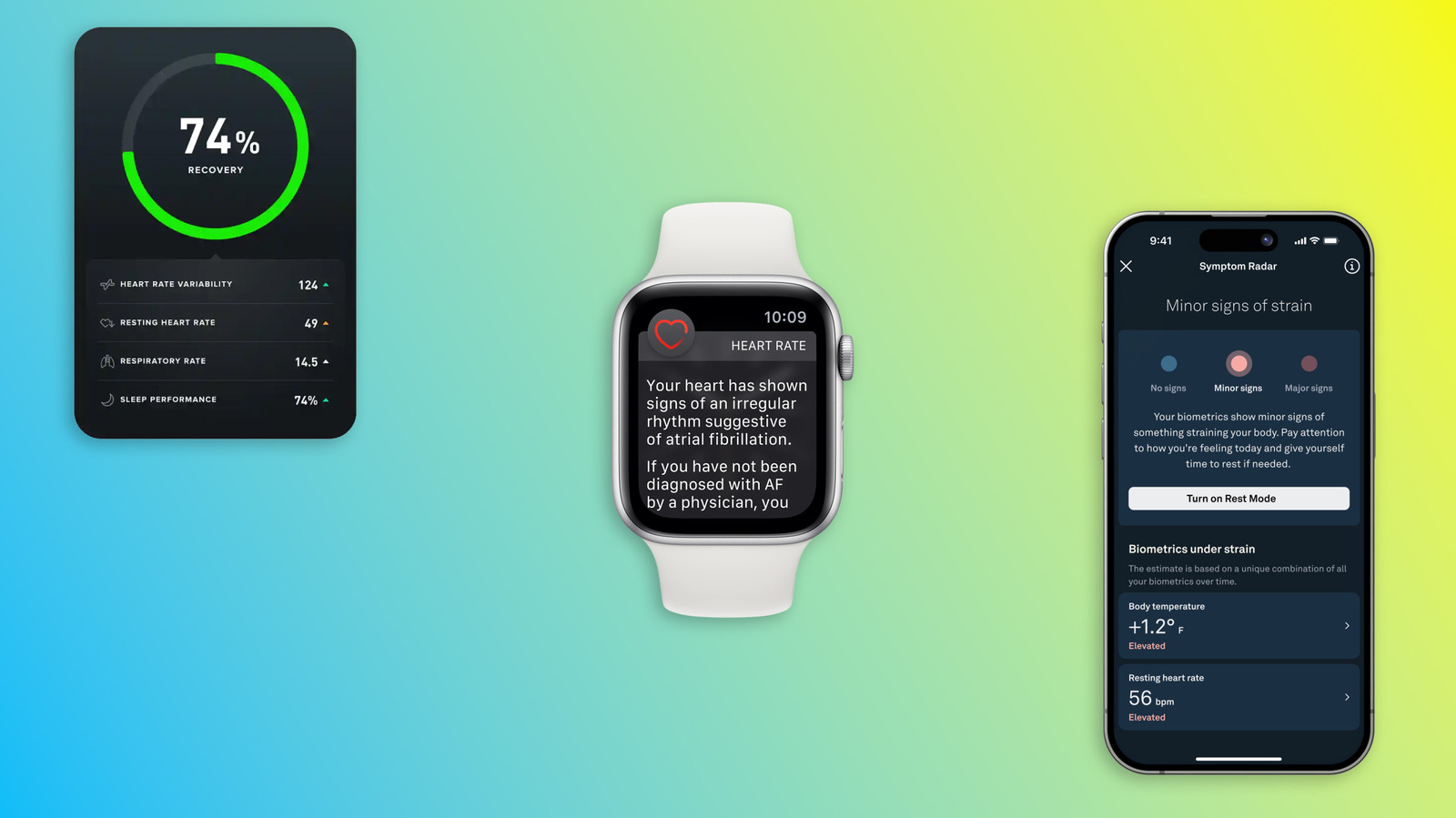
One area where smartwatches have demonstrably proven their clinical utility is in the detection of atrial fibrillation (AFib). AFib is an abnormal heart rhythm linked to an increased risk of stroke. Studies, including one focusing on the Apple Watch, have shown remarkable accuracy, confirming irregular pulse alerts as AFib 84 percent of the time. This high level of reliability is largely attributed to AFib having a clear physiological signature that consumer wearables can detect with relative ease, making it one of the few smartwatch features widely considered clinically useful by many doctors.
Beyond AFib, the list of "high-confidence" metrics from smartwatches remains relatively short. Physicians have noted that basic sleep patterns (though less so detailed sleep stages) and simple step counts are also among the more reliable data points for medical evaluation. These features offer a foundational understanding of activity and rest, but the depth of their diagnostic utility is limited.
**The Limitations: Hype Versus Clinical Reality**
Despite the advanced capabilities touted in marketing, many other smartwatch metrics currently lack the accuracy required for medical decision-making. Blood pressure alerts, calorie estimates, and intricate sleep-stage tracking are generally not considered reliable enough for doctors to act upon. Similarly, measurements like VO2 max and heart rate variability provide only rough estimates of fitness and recovery, offering limited actionable insights for clinicians.
Furthermore, proprietary wellness scores, such as Oura's "Readiness" or Whoop's "Recovery," rely on algorithms unique to each company. While these can be helpful for personal tracking, their lack of transparency and standardization means doctors have little to no clinical framework to work with, making them difficult to incorporate into professional medical advice.
The challenge isn't just about accuracy; it's also about interpretation. Even reliable metrics can trigger false positives. A sudden spike in resting heart rate, for instance, could indeed signal an oncoming infection. However, it could also be a result of poor sleep, increased stress, or even having an extra drink or two. Today's devices excel at noticing *that* something is amiss but struggle to pinpoint *what* it is or *why* it's happening. This is why medical professionals often prioritize broader trends in health data over isolated readings.
**AI and the Future of Early Detection**
The true potential of wearables in early illness detection lies not in diagnosing specific diseases from a single data point, but in their ability to monitor subtle, continuous physiological changes. Long before symptoms of illnesses like the flu or COVID-19 manifest, the human body undergoes minor alterations. Individually, changes in skin temperature, resting heart rate, or respiratory patterns might seem insignificant. However, when these metrics are combined and continuously compared against a user's established baseline, they can collectively hint at an impending illness.
Research has increasingly supported this capability. A recent study by Texas A&M and Stanford, for example, suggested that smartwatches could detect early signs of COVID-19 and influenza within hours of infection. The researchers estimated that if people were prompted to isolate, get tested, and seek treatment earlier based on these warnings, pandemic transmission could be reduced by up to 50 percent. Crucially, it's worth noting that wearables detect the body's *response* to an infection, not the presence of the virus or bacteria itself.
The integration of artificial intelligence and advanced sensor technology is set to further enhance these capabilities. Companies like Google, Oura, and Whoop have already begun introducing AI coaches or advisors within their apps to help users make sense of their complex health data. Features like Oura's "Symptom Radar" and Apple's "Vitals" also leverage AI to piece together information from multiple sensors, comparing it against personal baselines to identify potential issues. The processing power of cutting-edge AI language models, such as Google's Gemini in its Health Coach, is expected to play an increasingly vital role in correlating diverse data points and suggesting actionable steps for users.
However, just like proprietary recovery scores, much of this AI analysis happens behind the scenes, often without providing the detailed, transparent information that doctors need for reliable clinical action. At its best, AI-driven health analysis can empower individuals to seek treatment earlier when something seems off. At its worst, it might inadvertently encourage people to substitute computer-generated advice for professional medical consultations.
While today's AI systems invariably come with disclaimers urging users to consult real-world doctors, there's an inherent risk that individuals might interpret wearable data or app insights as the definitive verdict on their health. Regardless of how sophisticated a miniaturized wrist sensor or an AI chatbot becomes, it cannot replace regular physical health check-ups and personalized consultations with qualified medical professionals.
Frequently Asked Questions About Smartwatches, AI, and Health
How accurate are current smartwatch health features?
The accuracy varies significantly by feature. Some, like the detection of atrial fibrillation (AFib), are highly reliable and considered clinically useful by many doctors. Others, such as detailed sleep stage tracking, blood pressure alerts, or calorie estimates, are not yet accurate enough for medical decisions. Wearables are generally best at detecting deviations from a user's personal baseline patterns.
Can AI in smartwatches diagnose illnesses?
No, current AI in smartwatches and health apps cannot diagnose illnesses. Their primary role is to analyze physiological data, identify unusual patterns, and suggest potential issues that might warrant further investigation. The technology aims to provide nudges and insights for users to discuss with their doctors, not to replace professional medical diagnosis.
What is the most clinically useful health feature on smartwatches?
The detection of atrial fibrillation (AFib) is widely considered one of the most clinically useful smartwatch features. Studies have shown high accuracy in confirming AFib when irregular pulse alerts are triggered, making it a valuable tool for early detection of this heart condition. Basic sleep patterns and step counts are also considered reliable metrics.
How might smartwatches and AI help during future pandemics?
Research suggests smartwatches could detect subtle physiological changes indicative of respiratory infections like COVID-19 and influenza hours before symptoms appear. This early warning system, supported by AI analysis of combined sensor data, could encourage earlier isolation, testing, and treatment, potentially reducing disease transmission significantly during future health crises.
Do I still need to see a doctor if my smartwatch says I'm healthy?
Absolutely. A smartwatch is a monitoring tool, not a substitute for professional medical care. While these devices can provide valuable insights into your health patterns, they cannot replace regular physical examinations, diagnostic tests, or the expert advice of doctors and medical professionals. Always consult your doctor for any health concerns or before making medical decisions.
The Bigger Picture for Digital Health
The future of wearable health isn't about a wrist-mounted "Tricorder" that diagnoses every ailment. Instead, it's shaping up to be a more nuanced partnership between advanced technology and human medicine. These devices will likely continue to evolve into quiet, vigilant companions, constantly monitoring physiological signals for deviations from personal baselines. When something looks "off," they will provide a gentle nudge, offering another piece of useful, contextualized information for users to bring to their doctors. This collaborative approach – where technology provides the data and AI offers initial insights, but human medical expertise remains paramount – is where the true, lasting value of smartwatches and AI in health detection will be found. The goal is to empower individuals with more data about their bodies, fostering proactive health management, without ever undermining the critical role of the healthcare professional.
Decode Today News delivers breaking news on AI, tech, business, politics, and world events — updated daily.
breaking news, AI news, technology news, India news, world news, business news #decodetodaynews