Nolan's Odyssey: 2026 Movie Spectacle Demands Cinemas
Christopher Nolan's "The Odyssey" Heralded as a Theatrical Event for 2026
By Decode Today News
Christopher Nolan's highly anticipated movie, "The Odyssey," set for release in 2026, is being celebrated as an undeniable cinematic spectacle, emphasizing the enduring relevance of large-format theatrical experiences. This epic adaptation of Homer's ancient poem, while not a flawless drama, presents an immense feat of 21st-century filmmaking, designed to leverage five-storey-high screens and earthshaking sound systems, according to film reviewer Boris Jancic of RNZ's digital team.
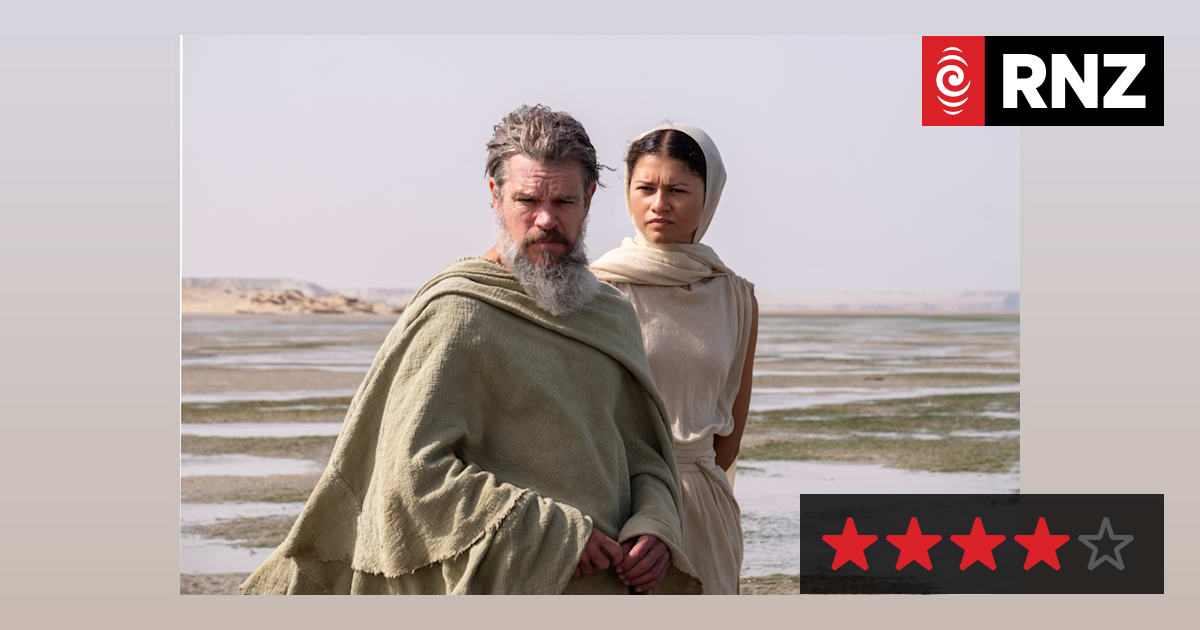
The film, directed by the visionary behind "Oppenheimer" and "Inception," takes one of the Western canon's oldest tales and imbues it with a modern, subversive sensibility. While adhering closely to the structure of Homer's 3000-year-old epic – including Nolan's characteristic non-linear storytelling – it openly explores contemporary sentiments and offers new perspectives on conflict and legacy. Yet, it masterfully retains its core identity as a fantasy brimming with monsters, magic, and spectral elements.
An Auditory and Visual Masterclass: The Core of the Movie Experience
At the heart of "The Odyssey"'s impact lies its exceptional audio-visual presentation. Jancic notes that the sound design alone is bold and nearly justifies the price of admission. Moments such as the booming resonance every time Odysseus's legendary bow is plucked, or the bone-chilling creak of ship masts caught in gales, demonstrate a meticulous attention to sonic detail that grounds the fantastical narrative in a visceral reality. The sounds of soldiers being consumed by the cyclops Polyphemus are described as "delightfully gross," contributing to the film's immersive, albeit often intense, atmosphere.
The score, composed by Ludwig Göransson, further elevates the emotional landscape of the film. Göransson's work is a masterful fusion of Ancient Greek instrumentation, modern synthesizers, and full orchestral arrangements. This blend performs significant emotional heavy lifting, carrying numerous scenes and underscoring the film's ancient yet contemporary aesthetic.
Visually, the film employs an impressive array of effects that seamlessly merge the fantastical aspects of the plot with its more grounded, earthly components. One particular moment of outright magic is highlighted for its surprising foray into body horror, offering a unique visual trick that feels genuinely novel in 2026. Cinematographer Hoyte van Hoytema, known for his work on "Dunkirk" and "Oppenheimer," contributes handsome visuals that, at times, aggressive pacing prevents audiences from fully admiring.
Narrative Nuances and Character Dynamics
The story faithfully follows the mythological king Odysseus (Matt Damon) as he battles a seemingly endless series of giants, shipwrecks, and witchy traps in his arduous journey home after the Trojan War. Simultaneously, back in Ithaca, his wife Penelope (Anne Hathaway) and son Telemachus (Tom Holland) struggle to fend off numerous suitors vying for Odysseus's throne. Nolan's signature non-linear storytelling, reminiscent of his earlier works, allows for a unique exploration of these parallel narratives.
Despite its nearly three-hour runtime, "The Odyssey" maintains a relentless, aggressive pace, leaving little room for repose. While the film embraces the meandering structure and occasional "silliness" of Homer's original poem, its modern dialogue — a choice that quickly becomes unnoticeable — propels the story forward. Exposition is plentiful, occasionally drifting into clunky territory, but largely serves the narrative momentum.
Key performances include Matt Damon, who delivers a convincing, restrained portrayal of a gritty, war-weary, and deeply flawed Odysseus. His bearded and slightly loose-skinned appearance lends authenticity to the legendary hero. Anne Hathaway, as the loyal Queen Penelope, attempts a broader, more expressive performance but occasionally misses the mark. The film features a vast ensemble cast, including notable names such as Robert Pattinson, Lupita Nyong'o, Elliot Page, Zendaya, and Charlize Theron. While these performances are solid, they are not consistently outstanding, and the rapid pace and multitude of characters mean many are left somewhat flat and challenging for audiences to emotionally connect with.
However, Samantha Morton stands out for her brief yet emotionally weighty appearance as the witch Circe, delivering a performance described as having significant emotional heft. Beyond the immediate expectations of a Homeric retelling, the plot introduces genuine, rewarding emotional stakes and "gut-punch reveals," adding unexpected depth to the ancient narrative.
Understanding the Mechanics of Movie Spectacle
The success of a cinematic spectacle like "The Odyssey" lies in its ability to create an immersive experience that transcends conventional storytelling. This involves a complex interplay of advanced visual effects, intricate sound design, and compelling musical composition, all orchestrated to maximize audience engagement within a large-format environment. The strategic use of modern technology allows filmmakers to render fantastical elements with unprecedented realism, directly influencing consumer demand for premium theatrical presentations. For "The Odyssey," this means:
- Immersive Soundscapes: The deliberate design of sounds, from booming legendary bows to creaking ship masts and cyclops feeding, creates an enveloping audio environment that is best appreciated through high-fidelity, multi-channel cinema sound systems.
- Groundbreaking Visual Effects: The seamless fusion of the fantastical with the earthly, including surprising moments of magic and body horror, pushes the boundaries of visual storytelling, requiring large screens to fully convey their detail and impact.
- Tactile Production Design: The emphasis on tactile costumes and realistic sets, making audiences feel they can "smell the leather and iron," underscores the film's commitment to creating a physically tangible world, which is amplified in a grand theatrical setting.
- Aggressive Pacing and Scale: Nolan's relentless pacing and the epic scale of the battles, sailing sequences, and mythological encounters are designed to overwhelm the senses, a core component of spectacle filmmaking that thrives in dedicated cinema venues.
A Resounding Affirmation for Big Cinemas
While "The Odyssey" is acknowledged as not being Nolan's smartest or most elegant film — drawing more parallels to his Batman series than "Oppenheimer" — its undeniable spectacle reaffirms the critical role of giant cinemas. The reviewer suggests its translation to smaller screens may diminish its impact, underscoring the film's intrinsic connection to the immersive theatrical experience it was built for. It is a powerful reminder of how technological advancements in film production, coupled with a director's grand vision, continue to drive consumer demand for unique, large-scale entertainment events that only dedicated movie theaters can fully deliver.
The film does have "new things to say" about conflict and legacy, albeit sometimes bluntly, which audiences will discover as the narrative unfolds in classic Nolan style. In an era where digital consumption dominates, "The Odyssey" emerges as a testament to the enduring power and necessity of the communal, big-screen movie experience.
Key Takeaways from Christopher Nolan's "The Odyssey" (2026)
Based on Jancic's review, here are the core aspects of the upcoming Nolan epic:
- Genre and Style: An epic fantasy adaptation of Homer's "Odyssey," blending ancient narrative with modern, subversive sentiments and Nolan's signature non-linear storytelling.
- Visual and Audio Excellence: Hailed for immense 21st-century filmmaking, featuring bold sound design, a fusion score by Ludwig Göransson, and impressive visual effects that merge fantastical with earthy elements.
- Lead Performances: Matt Damon is convincing as a gritty, war-weary Odysseus; Samantha Morton delivers a standout performance as Circe, with significant emotional heft.
- Cast Depth: Features a large, solid ensemble cast, but many characters, aside from leads, are described as flat due to fast pacing and numerous roles.
- Narrative Structure: Close to Homer's original story, told out of order, nearly three hours long with aggressive pacing and modern dialogue.
- Critique and Context: Not Nolan's most intelligent or elegant film, potentially more akin to his Batman movies than "Oppenheimer," but an undeniable spectacle.
- Theatrical Imperative: Considered a definitive argument for the continued importance of giant cinemas, as its impact may diminish on smaller screens.


