Mamdani announces new Click-to-Cancel rule for New York City
New York City residents are about to experience a significant shift in how they manage their digital subscriptions, thanks to a new directive from Mayor Mamdani. Starting October 1, the city will enforce a "Click-to-Cancel" rule, designed to dismantle the often-frustrating and convoluted processes companies impose on consumers trying to unsubscribe from services.
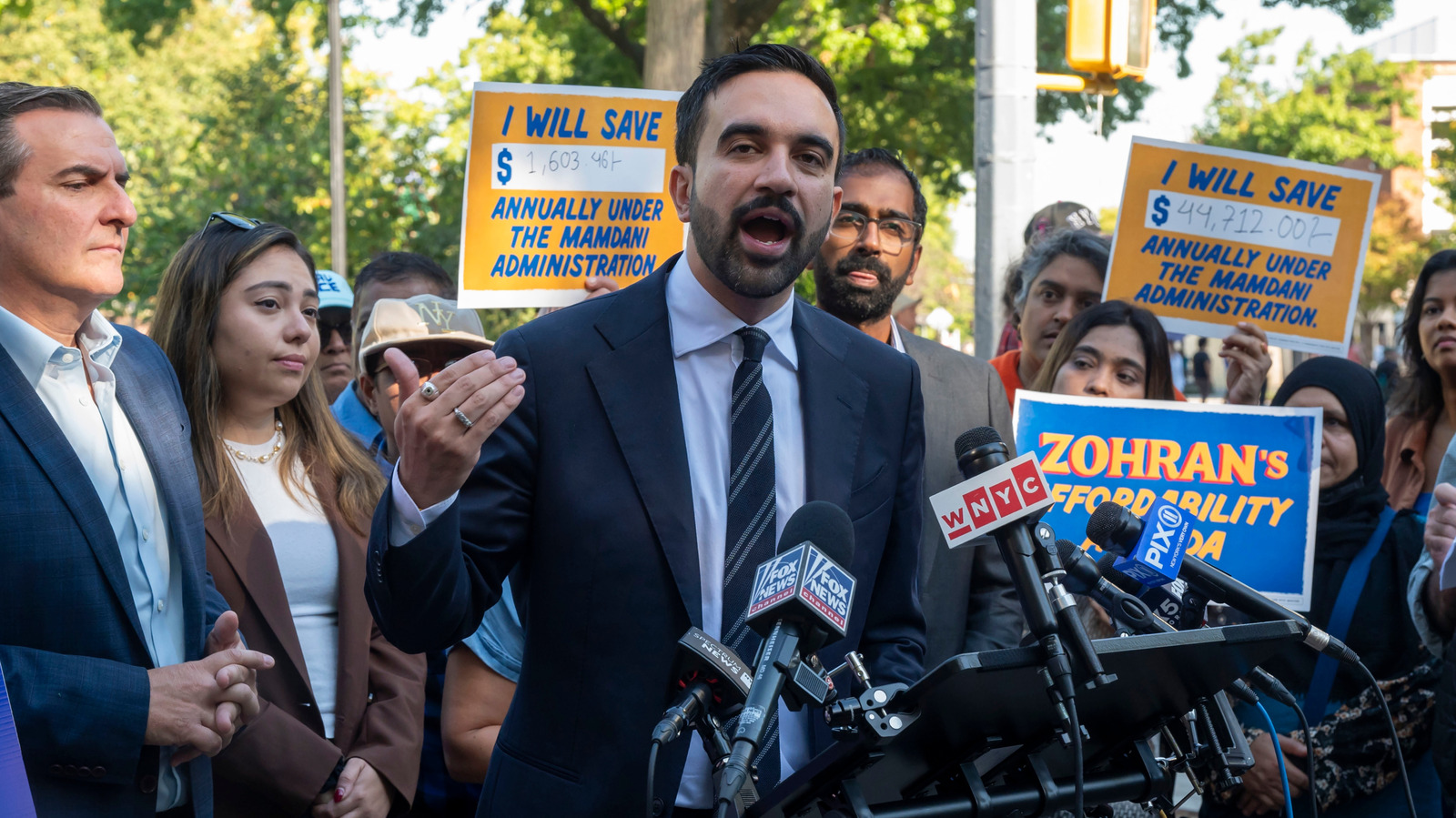
This landmark regulation targets the common practice where signing up for a service is a breeze of a few clicks, yet canceling becomes an obstacle course of phone calls, chat bots, and hidden menus. The rule aims to standardize the cancellation process, making it as simple and straightforward as the initial sign-up. It also revives a crucial consumer protection proposal that was previously abandoned at the federal level, underscoring New York City's commitment to tackling what officials describe as corporate exploitation.
NYC's "Click-to-Cancel" Rule: What You Need to Know
By Decode Today News
Beginning October 1, New York City's new "Click-to-Cancel" rule will mandate that businesses provide a simple, online method for consumers to cancel automatic renewal and continuous service subscriptions. Enforced by the Department of Consumer and Worker Protection, the rule mirrors a previously proposed federal protection and also addresses hidden junk fees and charges for returning free promotional items. Violations will incur penalties and restitution for consumers, setting a new standard for subscription transparency and ease of cancellation within the five boroughs.
The rule is a direct response to a widespread consumer complaint: the asymmetry of online enrollment versus cancellation. Companies often optimize their platforms for seamless sign-ups, sometimes even offering introductory free trials, but then deliberately complicate the opt-out process. This tactic, often dubbed "dark patterns," traps consumers into unwanted automatic renewals, leading to unnecessary expenses and significant frustration. Mayor Mamdani's initiative, a key part of his campaign promises, directly confronts these practices.
Specifically, the new protection applies to all "automatic renewal and continuous service subscriptions" offered to people living in New York City. Businesses will now be required to clearly disclose their subscription terms to customers upfront. This means no more burying critical details in lengthy, unreadable terms and conditions. Transparency is a core pillar of the new regulation, ensuring consumers are fully aware of what they are committing to before they subscribe.
Beyond simplified cancellation and clear disclosures, the rule also tackles another insidious practice: charging consumers to return items that were provided freely as part of a subscription. For instance, if a company offers a "free" gadget with a subscription but then demands payment to return it upon cancellation, such a practice will now be forbidden under the new NYC rule. This provision aims to protect consumers from hidden costs and ensure that "free" genuinely means free, at least in the context of initial offerings that necessitate returns upon termination of service.
The implications for businesses operating within New York City are significant. Those found in violation of the "Click-to-Cancel" rule will face serious repercussions. The Department of Consumer and Worker Protection will impose penalties starting at $525 per violation, in addition to requiring "restitution for consumers." This dual approach aims not only to deter non-compliance but also to compensate consumers who have been unjustly charged due to convoluted cancellation processes.
A Broader Context: Reviving National Consumer Protections
What makes New York City's "Click-to-Cancel" rule particularly noteworthy is its historical context. It effectively revives a similar protection that was proposed at the federal level by former Federal Trade Commission (FTC) Chair Lina Khan. Under Khan's leadership, the FTC sought to implement a national "Click-to-Cancel" rule, recognizing the widespread need for such consumer safeguards across the United States. However, these plans unfortunately fell apart in July 2025. The national effort was reportedly derailed after the commission underwent significant reshaping by former President Donald Trump and after judges in the Eight Circuit Court of Appeals decided to vacate the proposed rule.
The abandonment of the federal rule left a void in consumer protection, which New York City is now stepping up to fill. The connection between Mayor Mamdani's administration and the former FTC efforts is more than coincidental; Lina Khan herself served as one of Mamdani's transition co-chairs, highlighting a shared vision for robust consumer advocacy and combating corporate exploitation.
New York City's "Click-to-Cancel" rule is not an isolated measure. It is being paired with a proposed "junk fees" rule, which the city plans to open for public comment on August 7. This complementary initiative aims to tackle another pervasive issue: hidden, mandatory fees that inflate the advertised price of goods and services. The junk fees rule will require companies to advertise the full, all-inclusive price of their offerings upfront, ensuring complete transparency for consumers. This mirrors another area of focus for Lina Khan during her tenure as FTC Chair, further cementing the alignment of New York City's consumer protection agenda with broader national discussions on fair market practices.
State-Level Precedents and Overlap
While the "Click-to-Cancel" rule is specific to New York City residents, the Department of Consumer and Worker Protection notes that it also overlaps with existing New York State laws. These state laws already govern how businesses accept notice of cancellation and what they are required to offer to customers with automatically renewing subscriptions. This layered approach ensures a comprehensive framework for consumer protection, reinforcing the city's new regulations with broader state-level mandates.
New York is not alone in recognizing the importance of such protections. Despite the national FTC rule failing, several other states have already implemented their own "Click-to-Cancel" or similar subscription cancellation safeguards. These states include Utah, Idaho, California, Massachusetts, Georgia, Minnesota, Colorado, Illinois, and Arkansas. This growing patchwork of state-level regulations highlights a clear public demand for easier subscription management and greater corporate accountability.
For global readers, New York City's move serves as a significant benchmark. As digital subscriptions become ubiquitous across industries—from streaming services and software to fitness apps and news outlets—the ease of managing and canceling these services directly impacts consumer trust and financial well-being. This local regulation in a major global city could inspire similar legislative efforts in other metropolitan areas and even countries, pushing for a global standard where consumers have genuine control over their recurring expenditures.
Frequently Asked Questions About NYC's Click-to-Cancel Rule
When does the New York City "Click-to-Cancel" rule take effect?
The new "Click-to-Cancel" rule for New York City is set to take effect starting October 1.
What types of subscriptions does the rule cover?
The rule applies to "automatic renewal and continuous service subscriptions" for people living in New York City.
Who is enforcing this new rule?
The rule will be enforced by New York City's Department of Consumer and Worker Protection.
What are the penalties for companies that violate the rule?
Businesses found in violation will be subject to "restitution for consumers" and penalties that start at $525 per violation.
Does this rule apply outside of New York City?
The rule specifically applies to people living in New York City. However, it does overlap with existing New York State laws concerning subscription cancellations, and similar protections exist in other U.S. states.
How does this rule relate to the federal government?
The NYC rule revives a proposed federal "Click-to-Cancel" protection that was abandoned by the Federal Trade Commission (FTC) in 2025.
The Bigger Picture for Consumer Empowerment
The "Click-to-Cancel" rule in New York City represents more than just a local ordinance; it is a powerful statement about consumer rights in the digital age. In a landscape increasingly dominated by subscription models, the ability to easily opt out is as crucial as the ability to opt in. This move by Mayor Mamdani's administration, closely aligned with the consumer protection philosophies championed by figures like Lina Khan, sets a precedent that could resonate far beyond the five boroughs.
As the digital economy continues to evolve, the distinction between a beneficial service and an exploitative trap often hinges on transparency and ease of cancellation. New York City's new rule is a significant step towards rebalancing the power dynamics between corporations and consumers, ensuring that convenience in the digital realm extends to ending a service, not just starting one. This proactive approach to consumer protection highlights a growing global trend towards holding businesses accountable for their online practices, fostering a more equitable and trustworthy digital marketplace for everyone.


