Iran War Funding Scrutiny: Pentagon Faces Senate
Pentagon Officials Detail Iran War Costs to Senate
By Decode Today News
US Secretary of Defense Pete Hegseth recently testified before the Senate's Appropriations Committee, revealing that the cost of the Iran war has reached $37.5 billion (£28 billion) so far. This testimony came as the White House sought approval for an additional $87.6 billion in supplemental funds, with $67 billion specifically earmarked for the ongoing conflict. The extensive hearing, which spanned more than 3.5 hours, saw Secretary Hegseth questioned by lawmakers regarding the substantial financial request.
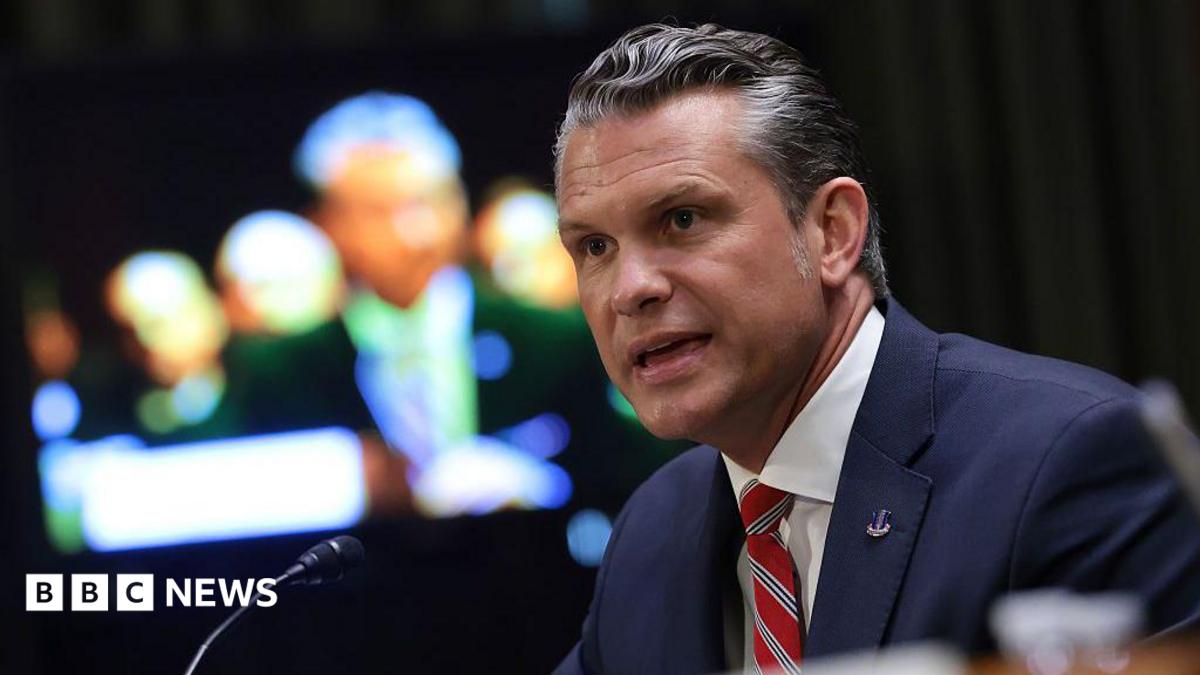
Secretary Hegseth was joined by other key figures in the defense and executive branches. Gen Dan Caine, chairman of the Joint Chiefs of Staff, and Agriculture Secretary Brooke Rollins also faced scrutiny from the committee during the session. Their presence underscored the broad government engagement required for such significant budgetary discussions, especially concerning international conflict and defense expenditure.
Key Financial Figures Presented
The hearing provided precise financial details concerning the war's current outlay and future funding requests. These figures are central to understanding the economic dimensions of the ongoing military engagement and the fiscal responsibility associated with national security operations.
| Financial Aspect | Amount (USD) | Amount (GBP) |
|---|---|---|
| Iran War Cost (to date) | $37.5 billion | £28 billion |
| White House Supplemental Funds Request | $87.6 billion | N/A |
| Portion of Request for Iran War | $67 billion | N/A |
Presidential Commentary on Conflict Casualties
Even as the hearing progressed in the Senate, US President Donald Trump, though not physically present, utilized social media to comment on the situation. The President's posts reportedly drew comparisons between the fatalities of US personnel in the Iran conflict and those incurred in previous military engagements. This highlights the political dimension intertwined with defense policy and fiscal allocation, reminding the public of the human cost that accompanies significant financial commitments to war.
Understanding War Funding Oversight
Congressional oversight of military expenditure is a critical component of democratic governance, ensuring accountability and transparency in the use of taxpayer funds. Committees like the Senate Appropriations Committee play a vital role in scrutinizing requests for supplemental funds, especially during periods of ongoing conflict. This process involves detailed questioning of defense officials on operational costs, strategic rationale, and projected financial requirements, aiming to balance national security imperatives with fiscal responsibility and cost efficiency. Such hearings examine not just the immediate budget needs but also the long-term implications for national resources and strategic objectives.


