Decode Today News delivers breaking news on AI, tech, business, politics, and world events — updated daily.
breaking news, AI news, technology news, India news, world news, business news #decodetodaynews
Ads
Breaking News
Home/AI/Decode Today/Technology/Christopher Nolan Believes Young Audiences Seek Authenticity, Rejecting AI in Filmmaking
Christopher Nolan Believes Young Audiences Seek Authenticity, Rejecting AI in Filmmaking
Christopher Nolan Believes Young Audiences Seek Authenticity, Rejecting AI in Filmmaking
By Decode Today News
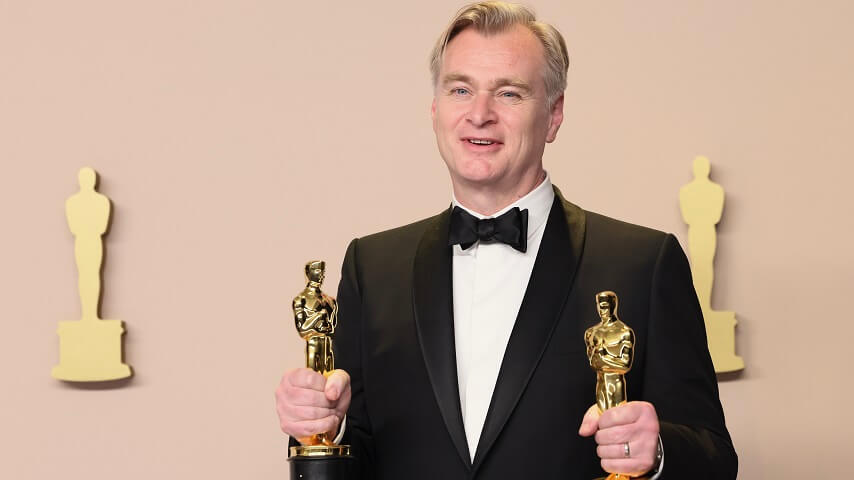
Christopher Nolan thinks the kids are alright—AI, not so much Decode Today
Renowned filmmaker Christopher Nolan, currently engaged in a press tour for his upcoming project "The Odyssey," has offered insightful observations on the evolving tastes of young audiences and the controversial rise of Artificial Intelligence in cinema. Nolan, increasingly seen as an elder statesman in the film world, expressed strong commendation for emerging talents who prioritize ambiguity and mystery in their work, while simultaneously delivering a sharp critique of AI's perceived impact on the industry.
Nolan Praises Young Filmmakers, Dismisses AI 'Slop' and Short Attention Span Myths
Christopher Nolan has lauded young creators like Kane Parsons ("Backrooms") and Curry Barker ("Obsession") for crafting "mysterious and ruminative" films that captivate youthful viewers. His comments directly challenge the widely held belief that younger generations possess fried attention spans, arguing instead that they are actively seeking out complex, hand-crafted narratives. Nolan firmly believes that Artificial Intelligence, particularly in its current application to filmmaking, is being "utterly rejected" by these same audiences, who possess a keen ability to identify what he terms "AI slop."
Nolan's perspective arrives at a critical juncture for the film industry, grappling with technological shifts and audience engagement. During his recent interviews, the director highlighted how the success of films from Parsons and Barker, which he noted share his own knack for making personal yet commercially successful movies, demonstrates a clear appetite for profound storytelling. "This is why I never bought into the arguments that young audiences' attention spans are too fried to enjoy a three-hour Greek epic," Nolan stated, emphasizing the deeply engaging nature of these newer, more enigmatic works. He even compared parts of "Backrooms" to the most obscure creations of David Lynch, underscoring their rich, layered complexity that resonates deeply with youth.
His observations extend beyond mere appreciation, pointing to a potential paradigm shift in audience preference. Nolan sees a widespread rejection of AI as a counter-current to years of industry momentum towards heavily virtualized production. He characterized this dismissal of AI as the most rapid "wholesale dismissal of a supposedly foundational jump in technology" he has witnessed in his lifetime. The substantial energy invested in bringing AI into creative fields, he argues, contrasts sharply with the immediate and harsh judgment from younger generations.
The director pointed to his own children as a microcosm of this broader trend, noting their acute ability to discern AI-generated content. "Their judgment of AI slop has been immediate and harsh," Nolan revealed. He suggested that their familiarity with online environments grants them a unique advantage in identifying synthetic creations. "They see it for what it is very quickly—and it's much easier for them to identify it, because it grew out of an online world they know really well."
Nolan's comments suggest that while AI technology itself may not be "useless or meaningless" in every context, its timing and application within filmmaking are particularly ill-suited for the current cultural moment. He observes a distinct yearning among audiences for more "tactile, more real forms of storytelling," moving away from the "heavily virtual environments" that dominated previous years. This shift underscores a renewed appreciation for practical effects, authentic performances, and the tangible artistry of traditional filmmaking.
The implications of Nolan's viewpoint are far-reaching. As a celebrated director known for his commitment to practical effects and cinematic authenticity, his voice carries significant weight. His observations suggest that the industry's continued push towards AI-driven virtual production might be out of sync with an emerging generation of viewers who crave genuine human artistry and narrative depth. This could lead to a re-evaluation of production pipelines and a stronger emphasis on craft over synthetic generation in the years to come. The debate around AI in creative industries continues to intensify, with artists, writers, and filmmakers grappling with its ethical and aesthetic challenges.
Nolan's stance resonates with a growing sentiment among creators and consumers alike who express concerns about the dehumanizing potential of AI in art. The idea that authenticity and human touch are becoming even more valued commodities in a digitally saturated world offers a compelling counter-narrative to the relentless march of algorithmic creation. This appreciation for the "hand-crafted" extends beyond film, impacting various forms of content creation where the human element is increasingly prized.
Why Nolan's Views Matter to Global Audiences
Christopher Nolan's perspective offers more than just a famous filmmaker's opinion; it provides a crucial barometer for the evolving relationship between technology, art, and audience reception. For global readers, his insights highlight:
* **The Enduring Value of Authenticity:** In an age of increasing digital fabrication, the human desire for genuine, tangible experiences in storytelling remains paramount. Nolan's observations suggest that authenticity may be the ultimate differentiator for future cinematic success.
* **Youth as Cultural Trendsetters:** Younger generations, often perceived as merely consumers of fleeting digital content, are demonstrating sophisticated taste and a clear preference for substance over superficiality. Their immediate rejection of "AI slop" could set a significant trend for how technology is adopted—or dismissed—in creative fields.
* **The Future of Filmmaking:** Nolan's critique could encourage the film industry to reconsider its headlong rush into virtual production, potentially fostering a renaissance for practical effects, real locations, and human-centric storytelling. This shift could influence production budgets, talent development, and the very aesthetic of future films.
* **A Broader Tech Debate:** His comments fuel the larger societal conversation about Artificial Intelligence's role in creative endeavors. They serve as a powerful reminder that technological advancement must align with human values and artistic integrity to gain widespread acceptance.
This discussion isn't just about movies; it's about the kind of art and culture we want to cultivate and consume. Nolan's voice contributes significantly to a crucial conversation that will shape the intersection of technology and creativity for years to come.
Frequently Asked Questions About Nolan, AI, and Youth in Film
What is Christopher Nolan's main criticism of AI in filmmaking?
Christopher Nolan's primary criticism is that AI has landed at "exactly the wrong time" for filmmaking, being "utterly rejected" by younger audiences who increasingly crave hand-crafted, tactile, and real forms of storytelling over heavily virtual environments. He also highlights young people's immediate and harsh judgment of "AI slop."
Does Nolan believe all AI technology is useless for filmmaking?
While critical of AI's current impact on film, Nolan noted that "that doesn’t mean that every aspect of the technology is useless or meaningless." His focus is on its mis-timing and the negative audience reception when applied to creating virtual stars, sets, and entire films.
Which young filmmakers did Nolan praise?
Nolan specifically praised Kane Parsons, known for "Backrooms," and Curry Barker, director of "Obsession." He lauded their ability to create mysterious and ruminative cinematic worlds that deeply engage young audiences.
Why does Nolan think young audiences reject AI?
Nolan believes young audiences reject AI because they have a keen eye for authenticity, honed by their familiarity with online worlds. He states they can identify "AI slop" quickly and are gravitating towards more real, tactile forms of storytelling after years of virtual environments.
How does Nolan's view challenge the idea of short attention spans?
Nolan challenges the short attention span argument by citing the popularity of "mysterious and ruminative" films like "Backrooms" and "Obsession" among young viewers. He suggests that these complex, three-hour narratives demonstrate a strong appetite for deep engagement rather than superficial content.
The Bigger Picture: Authenticity in an AI-Driven World
Christopher Nolan's distinct perspective on youth culture and Artificial Intelligence paints a compelling picture of an industry at a crossroads. His observation that younger audiences are actively seeking out depth, ambiguity, and tangible artistry signals a potential recalibration for cinema. In a world increasingly saturated with digital and AI-generated content, the human element—the craft, the intention, the inherent mystery of creation—may become the most valuable currency. Nolan, a filmmaker who has consistently championed practical effects and immersive, real-world storytelling, is not just reflecting a trend; he is articulating a profound desire among audiences for art that feels authentic, challenging, and undeniably human. This pushback against "AI slop" could herald a new era where the integrity of the creative process is prioritized, ensuring that the magic of storytelling continues to resonate deeply with generations to come.
Decode Today News delivers breaking news on AI, tech, business, politics, and world events — updated daily.
breaking news, AI news, technology news, India news, world news, business news #decodetodaynews