Wired vs. Wireless CarPlay: Your Ultimate Guide
Apple CarPlay: Bridging iPhone and Automotive Displays
By Decode Today News
For iPhone users who regularly drive, Apple CarPlay represents a significant enhancement to the in-car experience. Integrated into iPhones since 2014, this feature allows seamless access to essential apps like navigation, messaging, and music directly through a vehicle's infotainment system. It offers simplified controls on a larger display, designed to minimize driver distraction and enhance road safety. Support for CarPlay extends back to the iPhone 5, with most major automotive manufacturers, including Ford, Hyundai, BMW, and Honda, having integrated the technology into their models.
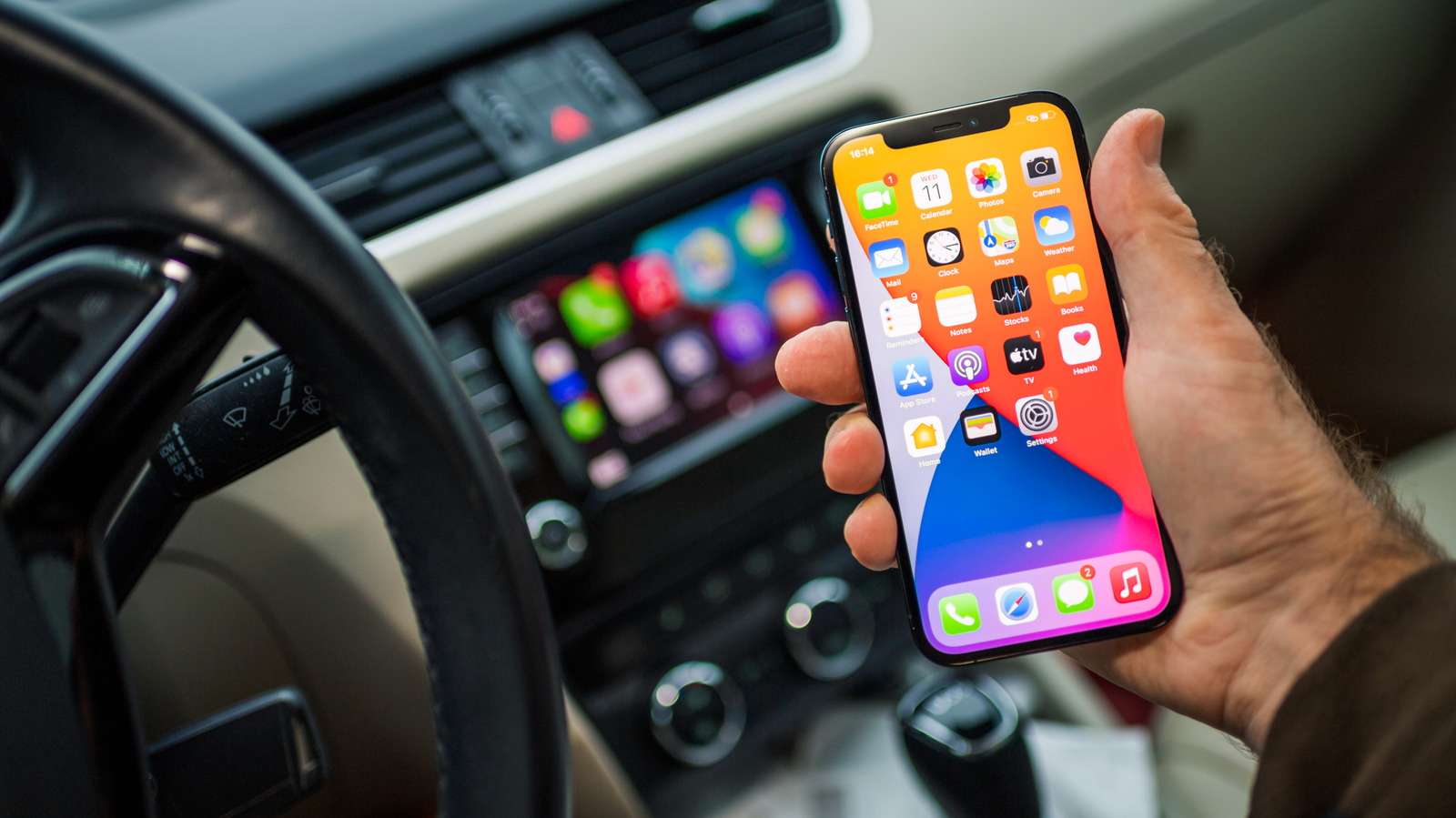
Traditionally, enabling CarPlay requires an iPhone, a USB cable, and an internet connection for streaming services or navigation. However, newer vehicle models are increasingly shipping with wireless CarPlay capabilities, eliminating the need for a physical connection. With wireless functionality, an iPhone automatically connects upon starting the engine, offering a streamlined user experience. While reverting to a wired setup remains an option, the allure of wireless convenience is undeniable for many users.
Understanding the Mechanics of Wired and Wireless CarPlay
From a core functionality standpoint, there is no inherent difference in the feature set between wired and wireless CarPlay. Users can access the same suite of applications, manage calls, and interact with the Siri AI, regardless of the connection type. This ensures a consistent user experience across both methods. Essentially, if a vehicle supports wireless CarPlay, there's often little incentive to opt for a wired setup—unless specific scenarios highlight the advantages of a physical connection.
The Advantages of Wired CarPlay
Despite the convenience of wireless connectivity, wired CarPlay maintains several critical advantages that can significantly impact the user experience, particularly for those prioritizing stability, charging, and audio fidelity.
Enhanced Connectivity and Reliability
One of the primary benefits of wired CarPlay is its ability to circumvent the occasional connectivity issues inherent to wireless systems. Vehicle infotainment systems, known for their occasional finickiness, can sometimes drop wireless connections, which is particularly problematic when relying on navigation in unfamiliar territories. A physical USB connection offers a more stable and reliable link, reducing the frustration of troubleshooting Bluetooth settings before embarking on a journey.
Furthermore, wired CarPlay simplifies the management of multiple devices. While cars equipped with wireless CarPlay often allow for several iPhones to be paired, this can lead to situations where the car automatically connects to the wrong device if multiple paired phones are nearby. A wired connection bypasses this by giving immediate priority to the physically connected iPhone, ensuring the correct device is always in control without requiring manual adjustments in the car's Bluetooth settings.
Battery Management and Audio Fidelity
Plugging an iPhone into a car's USB port for CarPlay simultaneously charges the device, addressing a significant concern for users with older iPhones or those on long commutes. As modern smartphones, like the iPhone 15 Pro Max, can experience battery degradation over time, exiting a vehicle with a fully charged phone, rather than one nearing depletion, is a considerable quality-of-life improvement. This continuous charging capability is a key factor in sustained mobile device operational efficiency during transit.
Moreover, a wired connection often delivers superior audio quality, especially for subscribers to services offering lossless audio. A physical link minimizes interference and bandwidth limitations that can sometimes affect wireless audio transmission, ensuring a purer sound experience. Wired CarPlay also effectively eliminates latency issues, whether skipping tracks or invoking Siri, providing a more responsive and immediate interaction with the system.
The Convenience of Wireless CarPlay
While wired connections offer distinct benefits, wireless CarPlay excels in convenience and ease of use, addressing several common pain points associated with cables.
Freedom from Cable Management
One of the most immediate advantages of wireless CarPlay is the elimination of physical cables. Modern iPhones, including recent models, typically feature a USB-C connector on both ends of their bundled cables. This often means drivers with older vehicles, which might primarily offer USB-A ports, need to acquire a separate, compatible cable for a wired connection. Wireless CarPlay removes this compatibility hurdle and the aesthetic challenge of managing cables within the car's interior.
The absence of cables also enhances everyday practicality. For drivers who make frequent short stops, constantly plugging and unplugging an iPhone can become tedious. Wireless connectivity allows for seamless entry and exit from the vehicle, with the iPhone automatically connecting and disconnecting. This contributes to a smoother overall user experience and improved operational efficiency for daily commutes.
Enhanced Flexibility and Shared Control
Wireless CarPlay also offers greater flexibility in how the iPhone is used within the car. For instance, if a passenger in the back seat wishes to control the music, passing the phone around is much simpler when it's not tethered by a cable to the dashboard. This flexibility can improve the shared experience for families or groups on road trips.
Importantly, users transitioning to wireless CarPlay do not sacrifice any features. Even newer functionalities, such as watching videos on CarPlay (introduced with iOS 27), operate flawlessly over wireless connections. These video capabilities leverage technologies like AirPlay, which inherently accounts for audio/video synchronization, ensuring a smooth and low-latency viewing experience, similar to mirroring an iPhone to a television.
Key Considerations for Drivers
- Feature Parity: Both wired and wireless CarPlay offer the same core apps, call functionality, and Siri AI access.
- Connectivity Stability: Wired connections offer greater reliability, reducing instances of dropped navigation or infotainment disruptions.
- Battery Charging: Wired CarPlay ensures continuous charging, mitigating battery drain concerns during commutes.
- Audio Quality: Wired connections generally provide better audio fidelity, especially for lossless audio formats, and eliminate latency.
- Cable Management: Wireless CarPlay eliminates cable clutter and the need for specific cable compatibility (e.g., USB-C to USB-A).
- Convenience: Wireless offers greater ease for frequent stops and allows for flexible phone placement or sharing.
- Multi-Device Management: Wired connections prioritize the connected phone, avoiding accidental pairing with other nearby devices.
Conclusion: Choosing Your CarPlay Experience
The choice between wired and wireless Apple CarPlay ultimately depends on individual priorities and driving habits. For users who value unwavering connection stability, optimal audio quality, and guaranteed device charging, a wired setup remains a compelling option. Its robust nature and priority connection for the active iPhone offer peace of mind, particularly during critical navigation or extended journeys.
Conversely, those who prioritize convenience, a clutter-free cabin, and seamless automatic connectivity will find wireless CarPlay to be a superior choice. The ability to simply get in and drive, without fumbling with cables or adapters, significantly enhances the daily user experience and contributes to overall consumer demand for intuitive, integrated automotive technology. Both options provide the fundamental benefits of Apple's innovative in-car system, allowing drivers to choose the method that best aligns with their personal needs and vehicle capabilities.


