Boost Retro Handheld Battery Life with Modern Tech
Revolutionizing Retro Gaming: Modern Battery Solutions for Classic Consoles
By Decode Today News
For enthusiasts of vintage gaming systems like the original Game Boy, Game Gear, or Atari Lynx, the enduring challenge of rapid battery depletion is a familiar one. These iconic handhelds, from their debut in the late 1980s through the early 2000s, were notorious for consuming disposable cells at a rate that makes today's devices feel like a luxury, often requiring four to six AA batteries for operation. However, the advent of modern rechargeable battery technology now offers a compelling solution to this persistent issue, smoothing the operational friction associated with these classic systems.
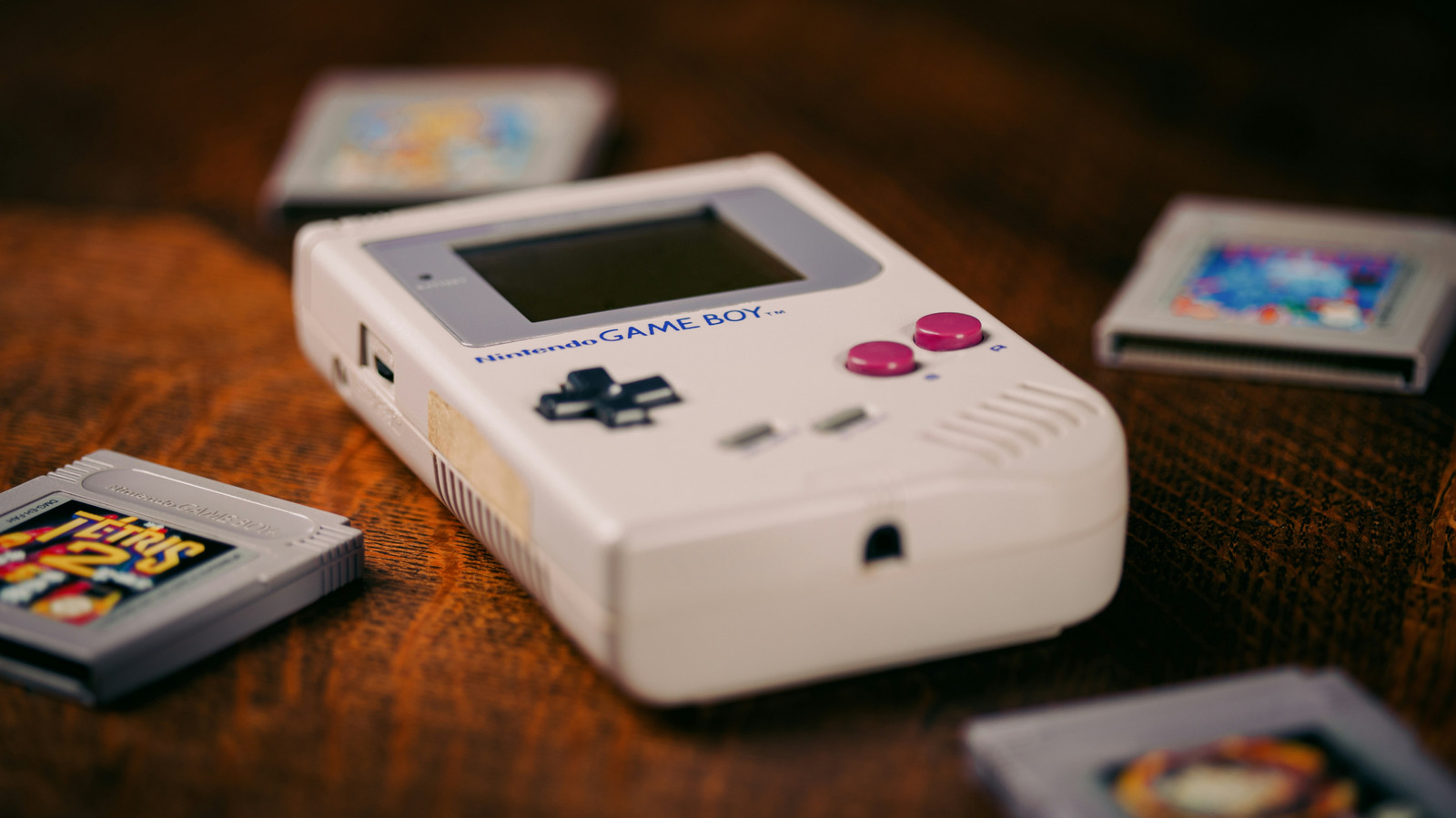
The core advantage lies in a strategic shift away from traditional disposable alkalines. By adopting contemporary rechargeable options, gamers can significantly enhance their playing experience, realize substantial cost efficiency over time, mitigate environmental waste, and bypass the logistical headaches inherent with single-use power sources. This technological advancement directly addresses a long-standing consumer demand for more sustainable and convenient power solutions in the retro gaming niche.
Optimizing Power Performance with NiMH Rechargeable Batteries
For the majority of retro handheld users, nickel-metal hydride (NiMH) rechargeable batteries represent the most effective and reliable solution. These batteries offer a superior blend of reusability and long-term cost savings compared to their disposable alkaline counterparts, making them a cornerstone of an optimized retro gaming setup. Their robust design ensures consistent performance across various compatible systems.
Among the leading options, Panasonic Eneloop batteries are a widely acknowledged favorite, particularly within industry circles. They consistently demonstrate reliability and tend to maintain their charge and capacity over extended periods, often outperforming cheaper alternatives in terms of longevity and consistency. For those seeking a more budget-friendly alternative without a drastic compromise on quality, IKEA LADDA batteries are a strong contender. Some market observers have even speculated that these may be rebranded Eneloop cells, though this remains unconfirmed. Both brands are readily available in the common AA and AAA sizes, which are essential for powering the featured retro consoles.
It is important for users to note that the low-battery indicators on vintage handheld systems may not always behave identically when paired with rechargeable batteries. Given this potential discrepancy, it is a prudent practice to develop the habit of quickly saving game progress should a low-battery warning appear, ensuring data integrity and avoiding unexpected interruptions to gameplay.
Regarding quantity, a practical guideline suggests acquiring two full sets of rechargeable batteries. This strategy ensures that one set can remain in the handheld for continuous play while the other is charged and ready for immediate swap-in, minimizing downtime. For users with modded retro handhelds, particularly those featuring power-intensive upgrades like brighter screens, a third set of batteries might be advisable to accommodate the accelerated power consumption.
Understanding the Mechanics of Battery Performance in Retro Consoles
The transition to modern battery technology for retro handhelds isn't merely about convenience; it reflects a deeper understanding of power delivery and consumption. Traditional alkaline batteries deliver a nominal 1.5V per cell, but their voltage drops steadily throughout discharge. NiMH batteries, while often rated at 1.2V, maintain a much flatter discharge curve, delivering a more consistent voltage for a longer period. This consistent power output is often more beneficial for sensitive electronics, even if the peak voltage is slightly lower.
For certain power-hungry or voltage-sensitive modifications, particularly in advanced modded setups, 1.5V rechargeable lithium batteries may offer superior performance. These cells maintain their 1.5V output more consistently than NiMH, potentially unlocking the full capabilities of specific high-demand modifications. However, this enhanced performance comes with an increased financial outlay, as lithium cells generally incur a higher upfront cost compared to standard NiMH options.
The inherent design differences between various battery chemistries directly impact the consumer's operating margin. While disposable alkalines have a low per-unit cost, their continuous replacement leads to a significant long-term expenditure. Rechargeable NiMH batteries, despite a higher initial investment, offer substantial savings over their lifespan due to their reusability, improving the overall cost efficiency of retro gaming. Lithium batteries represent a higher-tier investment for niche performance demands, offering premium power delivery for specific use cases.
The Rise of USB-C Modding: Modernizing Power Delivery
Beyond traditional battery cells, a significant technological advancement for select retro handhelds, such as the original Game Boy, comes in the form of USB-C rechargeable battery pack kits. These modifications integrate a modern charging port directly into the console, allowing it to be powered and recharged much like a contemporary smartphone or tablet. This transformation effectively eliminates the annoyance of manual battery swaps, providing a seamless, modern user experience.
Many of these USB-C modded systems can also interface with standard USB-C power banks, offering extended gameplay sessions on the go. However, it's crucial to acknowledge that not all such mods support simultaneous charging and playing. Users should verify the capabilities of their specific mod to avoid potential interruptions or performance issues.
While the benefits of USB-C integration are considerable, there are inherent risks and considerations to bear in mind. Some USB-C battery mods may not incorporate full isolation of the battery during charging. This design oversight can lead to increased heat generation during simultaneous play and charging, potentially compromising the safety of the device and the user. Given these potential cybersecurity and operational risks, it is strongly recommended that individuals opting for such modifications conduct thorough research, consult user feedback, and exclusively select well-regarded and reputable mod kits to ensure both optimal performance and user safety.
Key Recommendations for Enhanced Retro Handheld Battery Life
To maximize the longevity and enjoyment of your vintage gaming console, consider these strategic power management approaches:
- Embrace NiMH Rechargeables: For most users, Panasonic Eneloop or IKEA LADDA AA/AAA batteries offer the best balance of performance, cost efficiency, and environmental responsibility.
- Maintain Multiple Sets: Invest in at least two full sets of rechargeable batteries. Modded consoles with higher power demands may benefit from a third set.
- Monitor Battery Indicators: Be mindful that retro console battery indicators may behave differently with rechargeables; save games proactively upon low-battery warnings.
- Consider Lithium for High-End Mods: For specific voltage-sensitive or power-intensive modifications, 1.5V rechargeable lithium batteries can provide superior, consistent performance despite a higher price point.
- Research USB-C Mods Thoroughly: If exploring USB-C rechargeable battery pack kits, prioritize mods with strong user reviews and proven safety records, especially regarding battery isolation during charging. Verify charge-and-play compatibility.
By implementing these modern battery strategies, retro gaming enthusiasts can significantly upgrade their play sessions, transforming an experience often hampered by power constraints into one defined by consistent performance and prolonged enjoyment.


