Telegram Vanishes Globally From Apple App Store
In an unprecedented move, the encrypted messaging platform Telegram, boasting more than one billion monthly active users, has been removed from Apple's iOS App Store worldwide. As of this report, the application is neither searchable nor downloadable across any global region where the Apple App Store operates. Neither Apple nor Telegram has issued an official statement regarding the swift and widespread disappearance, leaving users and industry observers to speculate on the underlying reasons.
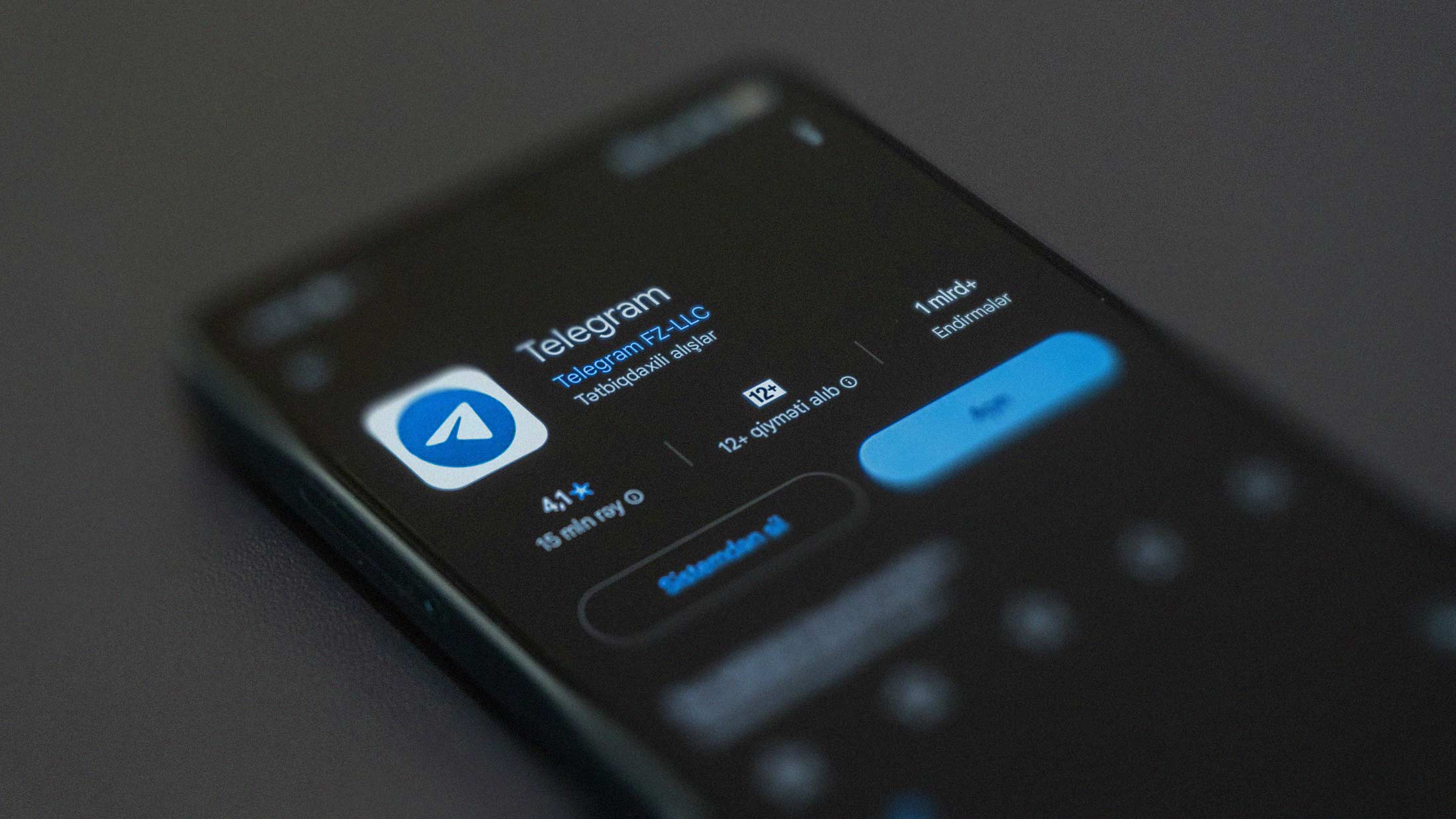
Users who currently have Telegram installed on their iPhones report that the app continues to function normally. Messages are sending and receiving without issue, and push notifications are arriving as expected. The removal appears to specifically impact the ability of new users to download the app and existing users to receive updates, a critical aspect of ongoing software maintenance and cybersecurity risk mitigation.
A Pattern, But No Precedent for This Scale
By Decode Today News
This is not the first instance of Telegram facing removal from Apple's digital storefront, but its global and silent nature marks a significant departure from previous events. In 2018, Apple briefly pulled the app after alerting founder Pavel Durov to what the company termed "inappropriate content" on the platform. That removal was short-lived, with Telegram swiftly restored following reported improvements in its content moderation mechanisms.
More recently, in April 2024, Apple removed Telegram, alongside other prominent messaging services such as WhatsApp, Signal, and Threads, from the Chinese App Store. This action was explicitly taken at the request of China's internet regulator, citing "national security concerns." At that time, Apple provided a statement acknowledging its obligation to "follow the laws in the countries where we operate, even when we disagree," clearly linking the removal to a specific government order and geographical boundary. The current worldwide removal, however, lacks any such public explanation or geographical limitation, amplifying concerns about transparency and platform governance.
Understanding Apple's App Store Ecosystem
Apple's App Store operates under stringent guidelines designed to ensure ecosystem integrity, user safety, and a consistent consumer experience. Its developer documentation explicitly outlines requirements for apps that feature user-generated content. These safeguards are crucial for managing platform liability and maintaining trust, which are significant factors in consumer demand for Apple products. Applications must incorporate robust mechanisms to filter objectionable material, provide intuitive tools for users to report offensive content, offer the ability to block abusive users, and publish clear contact information for support. Failure to consistently adhere to these compliance security measures can, and often does, result in an app's removal from the store, protecting the broader market valuation of the platform.
The company maintains a tightly controlled environment, giving it immense power over what applications are available to its vast user base. This level of control, while promoting a secure and curated experience, also means that sudden, unexplained removals of popular applications can significantly impact user access and create uncertainty for developers and consumers alike.
The Timing and Geopolitical Undercurrents
The global removal of Telegram from the iOS App Store comes at a notable time, coinciding with a series of legal challenges facing its founder, Pavel Durov. Less than a week prior to the app's disappearance, Russia's Federal Security Service (FSB) charged Durov with "aiding terrorism" and subsequently placed him on an international wanted list. The FSB accused Telegram of failing to remove channels allegedly used by what Moscow refers to as Ukrainian intelligence services and extremist organizations to coordinate attacks within Russia. Following these charges, Russia's financial watchdog added Durov to its official list of "terrorists and extremists."
Durov, who holds both French and Emirati citizenship and resides in Dubai, has not been detained in connection with the Russian charges. He publicly responded to the accusations on X, posting an image of himself raising a middle finger in defiance. This incident highlights the complex geopolitical landscape in which major digital platforms operate, often caught between conflicting national interests and legal frameworks.
Furthermore, Durov is currently facing legal troubles in France. In August 2024, he was arrested there on charges related to what authorities described as insufficient content moderation on the Telegram platform. He remains under judicial supervision in France and is barred from leaving the country.
Despite these significant developments surrounding its founder, Apple has provided no indication that the global App Store removal is linked to Durov's legal status or any form of government pressure, leaving a critical void in information. The company's silence, rather than clarifying, has only fueled rampant speculation across the technology and business sectors.
Content Moderation and Platform Governance Challenges
The challenges of content moderation on global platforms like Telegram are immense, touching upon cybersecurity risk, freedom of speech, and international law. Platforms with user-generated content must navigate a delicate balance between allowing open communication and preventing the spread of illegal or harmful material. This necessitates significant investment in AI infrastructure, human moderation teams, and clear policies for enforcement. The sheer volume of content and the varying legal standards across different jurisdictions make platform governance an incredibly complex task, directly impacting consumer demand and regulatory scrutiny.
The current situation underscores the significant power wielded by platform owners like Apple, whose decisions can instantaneously affect the availability of applications for billions of users worldwide. While Apple's past actions have included removals for specific guideline violations or in response to explicit government requests, the global, unexplained nature of this particular removal sets a new, potentially concerning, precedent for transparency in the digital ecosystem.
Impact for iOS Users and Telegram's Future
For existing Telegram users on iPhones, the immediate impact is limited to the inability to reinstall the app if it is deleted, and crucially, the inability to update to new versions. This latter point carries significant implications for user security and app functionality. If Telegram releases a critical security patch or a bug fix, iPhone users will be unable to apply it through normal means via the App Store. This could potentially expose users to vulnerabilities or degrade their experience over time. While the service itself continues to function for existing installs, the inability to update creates a latent cybersecurity risk for users within the Apple ecosystem.
Telegram, however, remains widely available across other digital platforms, including Google Play for Android devices, on desktop operating systems, and through direct APK downloads on Android. This indicates that the current restriction is specific to Apple's ecosystem and its policies, rather than a universal issue affecting the messaging service.
Key Details of Telegram's Removal
- Worldwide Removal: Telegram is no longer searchable or downloadable on Apple's iOS App Store globally.
- Apple's Silence: No official reason provided by Apple or Telegram.
- Existing Users: App functions normally for those with it already installed.
- Impact: New downloads and updates are blocked.
- Past Precedents:
- 2018: Brief removal due to "inappropriate content."
- April 2024: Removed from Chinese App Store at government request, citing "national security concerns."
- Durov's Legal Status: Recent charges in Russia ("aiding terrorism") and arrest in France (insufficient moderation) precede the removal, but Apple has not linked these events.
- Availability Elsewhere: Still accessible on Google Play, desktop, and Android direct APKs.
Until either Apple or Telegram provides a definitive explanation for this unprecedented global removal, speculation will undoubtedly continue to fill the information vacuum. The lack of transparency from a major platform like Apple in such a significant event raises questions about future global search traffic impact, consumer trust, and the broader enterprise integration of digital services that rely on these core mobile ecosystems.
We have reached out to both Apple and Telegram for comment and will update this story as soon as we receive a response.


