Xiaomi's Redmi 17C 5G Emerges as Rebrand in Europe
Xiaomi Unveils Redmi 17C 5G: A Strategic Rebrand for European Markets
By Decode Today News
Xiaomi, a global leader in consumer electronics, is set to introduce the Redmi 17C 5G, a new smartphone model recently sighted in a listing in Luxembourg. This launch follows the June release of its 4G counterpart, the Redmi 17C 4G, and, as reported by GSMArena.com, the 5G iteration appears to be a strategic rebrand of the existing Redmi 15C 5G, featuring updated aesthetics and a newer operating system.
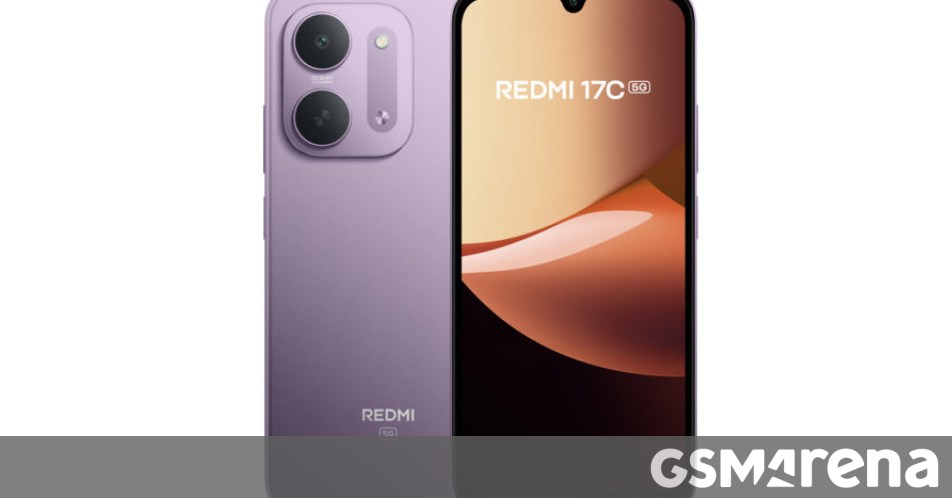
The emergence of the Redmi 17C 5G signifies Xiaomi's ongoing commitment to a diversified product portfolio, aiming to capture varying consumer demand across different geographical regions. Such rebranding tactics are often employed to optimize marketing efforts and streamline supply chain logistics, ultimately enhancing operating margin and market valuation.
Key Specifications and Performance
The Redmi 17C 5G is engineered to deliver a robust user experience, balancing modern features with cost efficiency. Its core specifications point towards a capable device designed for everyday use and connectivity.
- Display: The device boasts a sizable 6.9-inch LCD screen, offering a resolution of 720x1600 pixels. A standout feature is its 120Hz refresh rate, promising smoother scrolling and a more fluid visual experience, which is crucial for modern multimedia consumption and mobile gaming. With an 810-nit peak brightness, the display ensures decent visibility even in brightly lit environments, addressing a key aspect of consumer demand for outdoor usability.
- Processor: Powering the Redmi 17C 5G is the MediaTek Dimensity 6300 SoC. This chipset is a strategic choice for enabling 5G connectivity and delivering reliable performance for daily tasks, from browsing and social media to moderate gaming. It underscores the device's positioning within the competitive mid-range 5G smartphone segment.
- Memory and Storage: The phone comes equipped with 4GB of LPDDR4X RAM, facilitating efficient multitasking. Storage options include 64GB or 128GB of UFS 2.2 storage, providing ample space for applications and media, alongside faster data read/write speeds compared to older eMMC standards, contributing to overall system responsiveness.
- Camera System: For photography, the Redmi 17C 5G features a 50MP f/1.8 main camera on the rear, capable of capturing detailed images in various lighting conditions. On the front, an 8MP selfie camera caters to video calls and self-portraits, meeting contemporary user expectations for social connectivity.
- Battery Life and Charging: A substantial 6,000 mAh battery capacity ensures extended usage times, a critical factor for users on the go. Furthermore, the inclusion of 33W charging technology allows for rapid power replenishment, minimizing downtime and enhancing user convenience.
- Operating System: The device runs on HyperOS 3, Xiaomi's proprietary operating system. This newer version of HyperOS suggests potential enhancements in user interface, system optimization, and security features, aligning with the company's continuous efforts in software innovation and ecosystem integration.
- Additional Features: Practical additions include a side-mounted fingerprint scanner for secure and quick authentication, a traditional 3.5mm headphone jack, and an IP64 rating for dust and splash resistance, offering an extra layer of durability and peace of mind for consumers.
The Strategy of Rebranding: Enhancing Market Penetration and Cost Efficiency
The practice of rebranding devices, where a largely identical product is launched under a new name with minor adjustments, is a well-established strategy in the technology sector. For Xiaomi, the transformation of the Redmi 15C 5G into the Redmi 17C 5G highlights several strategic imperatives:
Firstly, it allows for targeted market penetration. By tweaking product names and, in this case, offering new color options and a slightly altered camera island design—while maintaining the same shape and size, as per GSMArena.com—Xiaomi can position the device uniquely in different regional markets or for specific consumer demographics. This approach can resonate with local consumer demand, which varies significantly across Europe, the US, and Canada.
Secondly, rebranding contributes significantly to cost efficiency. By reusing existing research and development, manufacturing processes, and component sourcing for a proven design, Xiaomi can minimize production costs. This strategy directly impacts the company's operating margin and supports a competitive pricing structure, making advanced features like 5G more accessible to a broader audience. The ability to quickly adapt and reintroduce devices with minimal changes also optimizes the supply chain, reducing time-to-market for new launches.
Thirdly, it helps in streamlining inventory management and sales channels. A successful rebrand can extend the lifecycle of a particular hardware platform, maximizing the return on investment for component purchases and manufacturing infrastructure. This careful management of product lines is integral to sustaining market valuation in the fiercely competitive smartphone industry.
Design Refinements and Color Options
While fundamentally sharing its core with the Redmi 15C 5G, the Redmi 17C 5G introduces some aesthetic nuances. The GSMArena.com report indicates a "slightly different design of the camera island," although its overall shape and size remain consistent. This subtle visual refresh can play a role in distinguishing the model in new markets.
The device will be available in a selection of colors, including black, purple, and brown. These color choices provide consumers with options to personalize their devices, reflecting contemporary trends in smartphone aesthetics.
Understanding Xiaomi's Global Strategy
Xiaomi's approach, characterized by aggressive pricing, rapid product cycles, and strategic rebranding, underpins its ambition to be a dominant player in the global technology landscape. The company's diverse portfolio, spanning everything from smartphones to smart home devices, aims for deep enterprise integration within its ecosystem.
The launch of devices like the Redmi 17C 5G, with its 5G capabilities and competitive specifications, is critical for addressing the growing consumer demand for high-speed connectivity at affordable price points. By continuously refining its offerings and leveraging rebranding to penetrate new markets efficiently, Xiaomi strengthens its position against competitors and reinforces its brand presence.
While specific pricing for the Redmi 17C 5G was not detailed in the Luxembourg listing, the reported prices for the Redmi 15C 5G provide a strong indication of its potential market positioning. For instance, the Redmi 15C 5G with 4GB RAM and 128GB storage was priced at €179.90 or £149.00. A configuration with 4GB RAM and 256GB storage was listed at €186.26. These figures suggest a highly competitive pricing strategy, aiming to attract budget-conscious consumers seeking 5G technology.
Outlook for the Redmi 17C 5G
The Redmi 17C 5G, as a rebrand of a proven device, positions itself as an accessible entry into the 5G ecosystem for consumers in markets like Luxembourg and potentially beyond. Its combination of a large, high-refresh-rate display, a capable MediaTek Dimensity 6300 SoC, a substantial battery, and the updated HyperOS 3, all wrapped in a refreshed design, makes it a compelling offering.
Xiaomi's strategy of iterative improvements and intelligent rebranding contributes to its sustained growth and competitive edge, meeting diverse consumer needs while maintaining robust cost efficiency and supporting its overall market valuation.


