NASA Considers One Mars Rover Twin for Moon Mission
One NASA's Mars Rovers Test Model Set for Lunar Repurpose
By Decode Today News
NASA is advancing a new proposal to deploy a repurposed engineering test model, originating from one of its Mars rovers, to the lunar surface. This initiative could see a full-scale replica, initially built as a testbed for the Martian environment, embark on a mission to the Moon's south pole, leveraging significant taxpayer investment in existing hardware, according to recent announcements from the space agency.
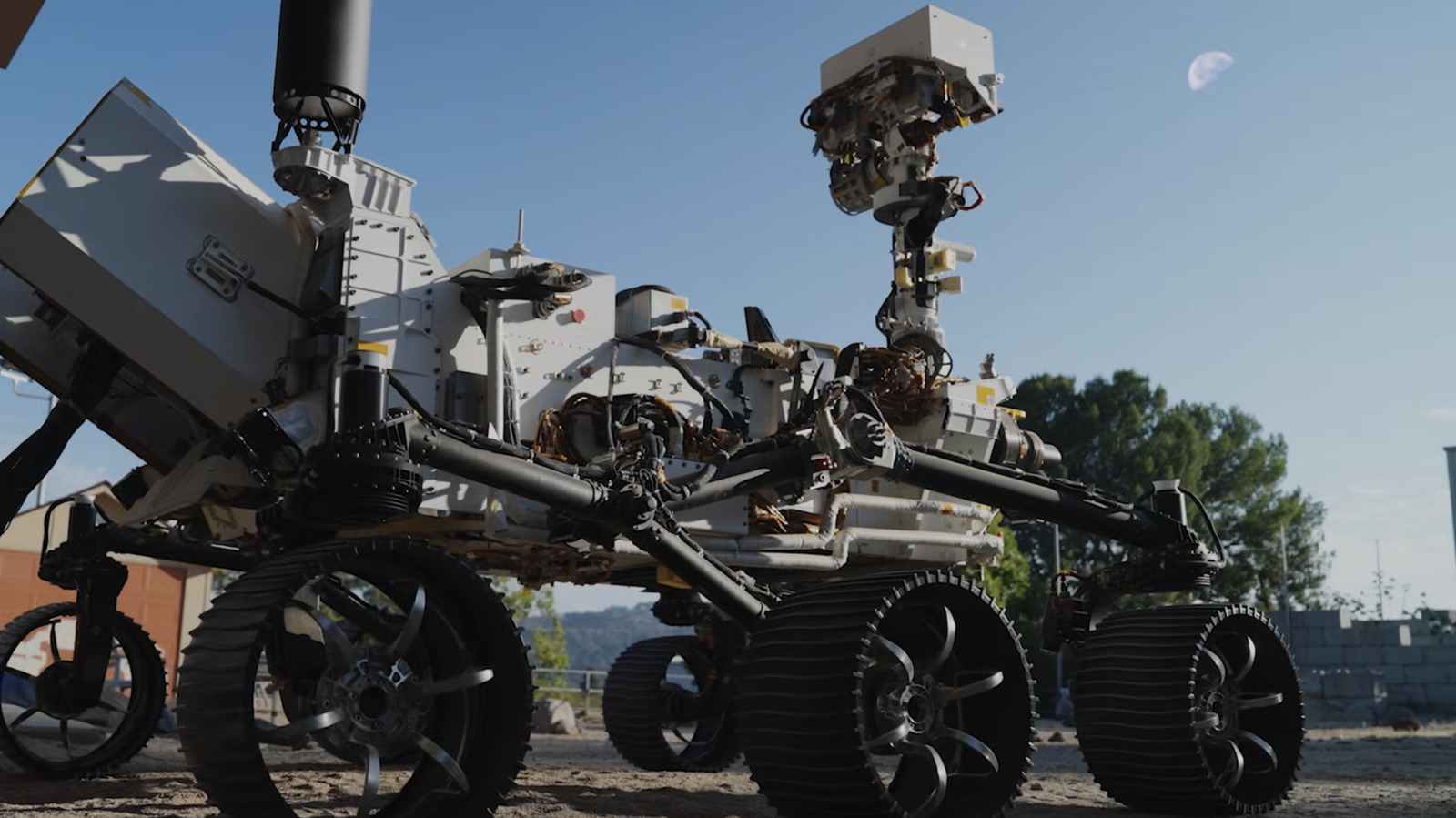
The proposed vehicle, named PROMISE — an acronym for Polar Rover for Observation, Mapping and In-Situ Exploration — represents a strategic pivot in aerospace engineering. Sources including Ars Technica, the BBC, and The Planetary Society confirm that PROMISE is envisioned as a modified version of the engineering test model for the
From Martian Testbed to Lunar Scout
Historically, the full-scale replicas of NASA's Mars rovers, such as Perseverance and Curiosity, have served a critical function on Earth. Scientists utilize these ground-based models to rigorously test features and software updates before transmitting them to their counterparts operating on Mars. Perseverance's test model, for example, was previously known by the longer acronym OPTIMISM (Operational Perseverance Twin for Integration of Mechanisms and Instruments Sent to Mars).
"We've had years now of experience operating the two rovers on the surface of Mars, and we've got this hardware that the taxpayers have invested a lot in," stated NASA administrator Jared Isaacman during an update on the agency's moon base plans. He posed the pivotal question, "'What if we send it to the moon?' ... It's going to bring an immense capability to the lunar south pole in short order." This approach underscores a commitment to cost efficiency and maximizing the return on investment in advanced space exploration infrastructure.
Strategic Exploration of the Lunar South Pole
The primary objective for PROMISE will be to scout the Moon's south pole. This region holds particular scientific and strategic interest due to the suspected abundance of water ice — a critical resource for potential future lunar bases and sustained human presence. The rover will be tasked with characterizing both the lunar surface and its subsurface, providing invaluable data for future missions and enterprise integration on the Moon.
A crucial technological advantage for PROMISE will be its power source: a multi-mission radioisotope thermoelectric generator (MMRTG). This generator harnesses heat generated from the natural decay of plutonium to produce electricity, rendering the rover entirely independent of solar illumination. This capability is transformative for lunar exploration.
"For moon-based objectives, having a nuclear RTG on it allows us to go anywhere we want, regardless of the illumination," explained Carlos García-Galán, program manager for the Moon Base project. "Surviving the lunar night is going to be one of the bigger challenges with this capability; we wouldn't have to worry about that." This technological choice significantly enhances mission endurance and operational flexibility, minimizing cybersecurity risk associated with power interruptions.
Understanding the Mechanics of One NASA's Mars Rovers for Lunar Use
The concept of repurposing a Mars rover testbed for a lunar mission is a testament to the ingenuity in space engineering. While the basic framework of Perseverance's replica offers a robust foundation, its transformation into a flight-ready lunar rover requires substantial modifications and upgrades to meet the unique challenges of the Moon. This involves addressing specific environmental factors and ensuring compliance security for deep-space operations.
Key areas requiring extensive development include:
- Temperature Control Sensors: The Martian environment differs significantly from the Moon's, necessitating new sensors and systems to manage onboard temperature fluctuations, particularly during extreme lunar nights.
- Flight-Ready Scientific Instruments: The original test models were not equipped with instruments rated for spaceflight, requiring the integration of new, robust scientific payloads tailored for lunar geology and resource detection.
- Communications System: A dedicated, flight-qualified communications system is essential for reliable data transmission between PROMISE and Earth, ensuring continuous operational command and telemetry.
- Power Generator: While an MMRTG is planned, the integration and qualification of this complex power unit, along with associated electrical systems, represent a significant engineering undertaking.
- Lunar Dust Resistance: The abrasive, razor-sharp lunar dust is notoriously damaging to mechanical components. PROMISE's systems must be upgraded to withstand this harsh environment, preventing wear and tear that could compromise mission longevity and operating margin.
Project Outlook and Investment Yield
Despite the ambitious scope and technological promise, PROMISE remains a concept. NASA has yet to detail the full extent of the necessary modifications, which will be critical to transform OPTIMISM — or its hybrid form — into a functional lunar rover. According to estimates from The Planetary Society, the development and deployment of PROMISE could entail a substantial investment, ranging between $700 million and $1.3 billion USD.
Given the complexity of these upgrades and the rigorous testing required, the project's timeline indicates a launch sometime in the early 2030s. This long-term outlook highlights the extensive AI infrastructure and engineering effort needed to adapt existing Martian technology for a new lunar frontier, promising significant investment yield in scientific discovery and future space capabilities.
The strategic move to repurpose existing, proven technology underlines a calculated effort to accelerate lunar exploration capabilities while optimizing financial resources. The potential for PROMISE to unlock critical data about the Moon's south pole, particularly regarding water ice, could dramatically reshape the prospects for sustained human presence beyond Earth.


