iPhone Evolution: Five Years of Innovation
In the last five years, Apple's flagship smartphone, the iPhone, has undergone significant transformations, moving beyond incremental updates to introduce pivotal changes across its hardware and software. Since the iPhone 13 line in 2021, consumers have witnessed revisions to its display, physical buttons, camera functionality, charging port, operating system, and software design, with features once exclusive to Pro models now migrating to base devices.
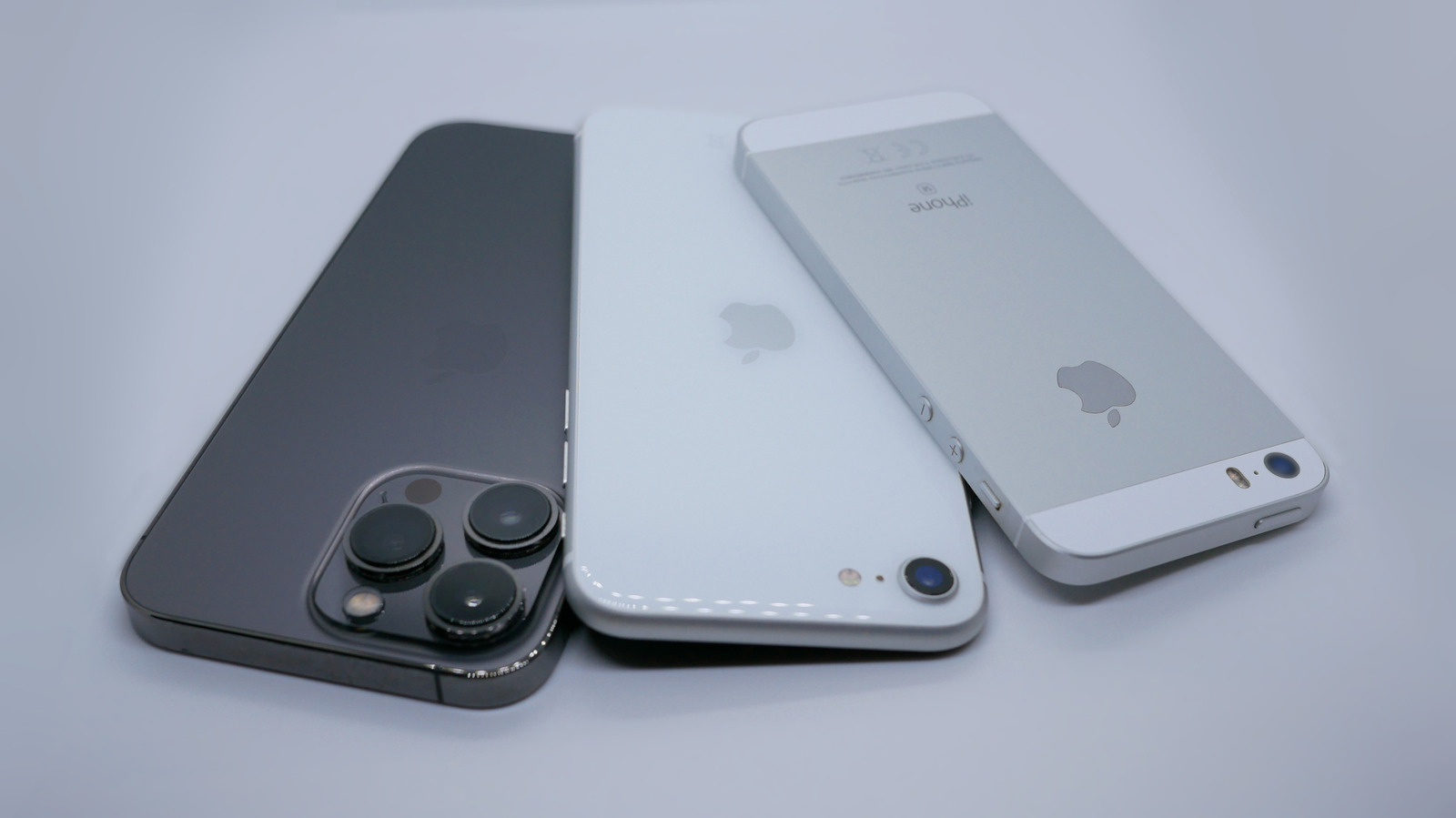
Key Hardware Innovations Redefining the iPhone
By Decode Today News
The journey of the iPhone over the past half-decade highlights Apple's responsiveness to both regulatory demands and evolving consumer expectations, particularly in physical design and core functionalities. The changes have been substantial enough to influence market valuation and consumer demand.
The USB-C Transition and Action Button
A significant shift in hardware came with the phasing out of Apple's proprietary Lightning port. Used since the iPhone 5 in 2012, the Lightning connector, limited to USB 2.0 speeds on iPhones, became increasingly outdated as the broader industry transitioned to USB-C. Following an EU law mandating USB-C for all phones sold in the region, Apple adopted the universal standard starting with the iPhone 15 lineup in 2023 (including the iPhone 15 Plus, 15 Pro, and 15 Pro Max).
Concurrent with this, the iPhone 15 Pro and Pro Max introduced the Action Button, replacing the long-standing mute switch that had been a staple since the original iPhone in 2007. This customizable button not only replicates the mute function but can also be assigned to various actions via the Shortcuts app, such as activating the flashlight or launching the camera. Subsequent models, including the iPhone 16 and newer, have continued this transition. Furthermore, the iPhone 16 and iPhone 17 lineups (excluding lower-cost "e" models) incorporated a new Camera Control button, which is touch-sensitive for adjusting zoom and exposure while also initiating photo capture.
Evolving Display Technology
iPhone displays have also seen considerable enhancements. Beyond minor upgrades like smaller bezels and higher peak brightness, the introduction of ProMotion (Apple's adaptive refresh rate technology) marked a pivotal improvement. From the iPhone 13 Pro/Max through iPhone 16 Pro/Max, and extending to all models in the iPhone 17 lineup, screens can dynamically adjust refresh rates up to 120Hz for smooth high-movement content like gaming or scrolling, dropping to 1Hz to conserve battery during static viewing. This higher refresh rate, now integrated into the base iPhone models, delivers a noticeably smoother user experience, impacting overall consumer satisfaction and enterprise integration for professional applications.
Camera System Advancements
Camera capabilities have consistently been a focus for iPhone development. Comparing the iPhone 13 (2021) to the forthcoming iPhone 17 (2025/2026) reveals substantial progress. The iPhone 13 featured 12-megapixel (MP) main and ultra-wide cameras, whereas the iPhone 17 boosts both to 48MP. Macro photography, absent in the iPhone 13, is now supported on the iPhone 17. Selfie cameras have also improved, with the iPhone 17 packing an 18MP front-facing camera compared to the 2021 model's 12MP.
For Pro-level devices, the iPhone 17 Pro supports optical zoom at 0.5x, 1x, 2x, 4x, and 8x, a significant expansion from the iPhone 13 Pro's 0.5x, 1x, and 3x capabilities. Video recording has also advanced, allowing the iPhone 17 Pro to capture 4K video in Dolby Vision at up to 120FPS, doubling the 60FPS limit of its older counterpart. New functionalities, such as Action mode for stabilizing shaky video (introduced with the iPhone 14 lineup) and Center Stage (which keeps subjects centered during video calls) and Dual Capture (simultaneous front and rear recording) from the iPhone 17 line, further illustrate Apple's commitment to visual intelligence.
Satellite Connectivity and Safety Features
Beyond traditional smartphone functions, the iPhone has embraced critical safety features. Beginning with the iPhone 14 lineup in 2022, devices gained satellite connectivity, enabling users to contact emergency services or message contacts even without cellular signal. In the same year, Apple introduced crash detection, an innovative feature designed to automatically call for help if the user is unresponsive following a detected collision, significantly enhancing cybersecurity risk management for personal safety. These iPhone 14 models also marked the transition to eSIM-only in the US, eliminating the physical SIM card slot present in all prior generations, streamlining the user experience and improving compliance security.
Software and AI Transformation
The last five years have also been transformative for the iPhone's software experience, particularly with the integration of advanced AI capabilities and dynamic user interfaces.
The Rise of Dynamic Island and Always-On Displays
After the iPhone X introduced the notch in 2017, it remained largely unchanged until the iPhone 13 line slimmed it down. The following year, the iPhone 14 Pro/Pro Max revolutionized this design element with the introduction of the Dynamic Island, a feature that has since appeared on every iPhone except the "e" models. Instead of a static notch, the Dynamic Island offers an interactive space that displays in-progress actions from various apps, such as timers, navigation, or music playback, improving multitasking and user engagement. Furthermore, an always-on display, present on Pro and Pro Max phones starting with the iPhone 14 Pro and all iPhone 17 models (including the iPhone Air), keeps the Lock screen active to show essential information like time and notifications without requiring users to fully wake the device, contributing to enhanced user experience and potentially influencing operating margin through greater device utility.
Understanding Apple Intelligence and Siri's Evolution
The most profound software evolution in recent years has been the deep integration of Artificial Intelligence. While AI as we know it today wasn't widely available in 2021, Apple has since made significant strides, culminating in the unveiling of Apple Intelligence, set to arrive in October 2024. Available as an optional feature on the iPhone 15 Pro/Pro Max and all later models, this suite of tools includes:
- Writing Tools: For summarizing documents and refining text clarity and correctness.
- Image Playground: Generating images or emojis from prompts and editing photos.
- Enhanced Siri: Featuring more natural language understanding and optional integration with ChatGPT for complex requests.
- Visual Intelligence: Providing information about objects scanned with the camera.
- Live Translations: Across calls and messages.
This strategic move into AI infrastructure is poised to significantly enhance consumer demand and redefine user interaction. While iOS 27 in fall 2026 will bring a full AI upgrade to Siri, some advanced features, like customizable expressiveness for Siri, will be exclusive to high-end models such as the iPhone 17 Pro/Pro Max and iPhone Air.
Lineup Adjustments and Storage Upgrades
Beyond individual device features, the overall iPhone product lineup and its baseline specifications have also seen strategic adjustments impacting cost efficiency and market positioning.
Shifting iPhone Models and Base Storage
The last five years have brought macro adjustments to the iPhone lineup structure. 2021 marked the last appearance of the iPhone mini, while Apple introduced the iPhone Air in 2025 to replace the Plus model, streamlining the product offerings. Base storage capacities have also increased significantly, reflecting growing consumer demand for digital content and application space. In 2021, the base storage for an iPhone 13 was 128GB, whereas 2025's offerings start at 256GB. Notably, the base iCloud storage limit remains at 5GB, a figure that has been unchanged since the service's inception in 2011.
In summary, the iPhone's evolution over the past five years demonstrates a blend of incremental refinements and revolutionary introductions, from compliance-driven hardware changes like USB-C to cutting-edge AI capabilities and enhanced safety features. These changes reflect a deliberate strategy by Apple to maintain its market leadership and adapt to a rapidly changing technological landscape.


