EU Law Ignites Removable Smartphone Battery Comeback
European Union Law Sparks Major Smartphone Design Shift
By Decode Today News
Beginning in February 2027, a significant new European Union regulation will mandate that phones and tablets sold within the bloc feature easily removable batteries. This legislation, years in development, is set to profoundly influence smartphone design, potentially ushering in the return of a feature largely abandoned by manufacturers over the past decade.
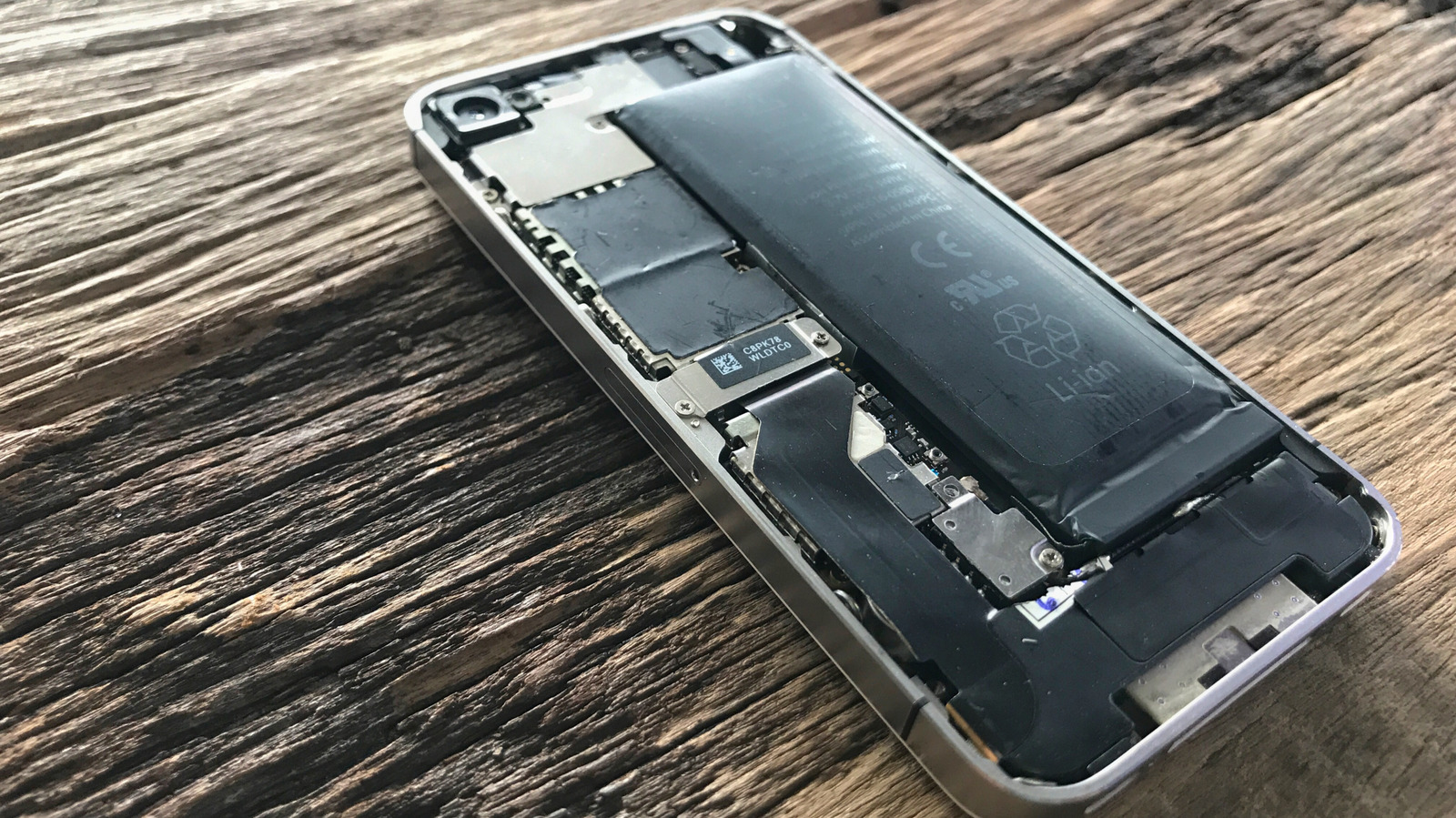
Historically, replacing a phone's battery was a simple operation, often involving little more than popping off a back cover. While a select few devices still offer this convenience today, the design became increasingly marginalized. However, the impending EU rule could see this accessibility become a global standard, mirroring the shift to USB-C ports on iPhones following similar EU mandates for common charging standards.
The Decline of Removable Batteries: Design, Durability, and Market Forces
The transition away from user-replaceable batteries was driven by a convergence of factors, each contributing to their obsolescence in mainstream models:
- Consumer Demand for Thin Designs: Modern smartphone users overwhelmingly prefer slimmer, more minimalist devices. Phones with removable batteries typically necessitate specific components, such as screws and clips, which add to the device's overall thickness. By sealing the battery, manufacturers gain greater design freedom, allowing for more creative component placement within a thinner chassis.
- Preference for Premium Materials: Contemporary handhelds often utilize high-end materials like glass and aluminum. Glass, in particular, proves too fragile for a frequently opened, removable back panel. Models like the Samsung Galaxy S5 (2014) with a removable battery featured a plastic chassis, a material still found on the more rugged Samsung Galaxy XCover 7 Pro and the Fairphone 6, which retain user-replaceable options.
- Enhanced Water and Dust Resistance: A key selling point for many premium smartphones is their resilience against environmental elements. Most modern phones feature sealed bodies to achieve high IP (Ingress Protection) ratings, safeguarding them from dust and water ingress. The iPhone 17 series, for instance, boasts an IP68 rating, allowing it to withstand submersion in significant depths. Removable back covers inherently pose a risk, as they could dislodge upon impact, compromising the device's protective seal. However, the Galaxy XCover 7 Pro demonstrates that water resistance is not entirely incompatible with a removable battery, achieving an IP68 rating by employing seals on critical areas like cameras and gaskets for SIM and battery slots, as Samsung explained to GSM Arena.
- Manufacturer Business Models: Companies historically benefit from consumers upgrading their devices more frequently. Batteries that are easy to remove and replace can extend a device's lifespan, potentially reducing the frequency of new phone purchases. This dynamic directly impacts a company's sales cycles and, by extension, its operating margin from new device sales.
Current Examples of User-Replaceable Designs
Despite the prevailing trend, a few notable devices still offer easily replaceable batteries, showcasing a commitment to longevity or specialized utility:
- Samsung Galaxy XCover 7 Pro: This military-grade, rugged phone is designed for challenging environments. It features an easily swappable 4,350mAh battery, ideal for users who might lose power while hiking or engaged in demanding outdoor activities. The device also maintains an IP68 rating, demonstrating that durability and water resistance can coexist with a removable battery.
- Fairphone 6: Known for its ethical sourcing and repairability, the Fairphone series champions user-replaceable components. While earlier models featured easily detachable back covers, the Fairphone 6 has evolved to a slightly more involved process. Its battery is secured by five screws, reflecting a design choice that allows for a slimmer profile while retaining user serviceability.
Understanding the EU's Mandate: Driving Sustainability and Circular Economy
The upcoming EU regulation is a cornerstone of the bloc's broader strategy to foster a more sustainable and circular economy. Its primary objectives include:
- Extending Device Lifespan: By enabling consumers to replace a degraded battery, the law aims to keep devices functional for longer, reducing the pressure to purchase new ones.
- Reducing Waste: A longer device lifespan directly translates to less electronic waste (e-waste) entering landfills, addressing a critical environmental concern.
- Facilitating Raw Material Recovery: Easily accessible batteries simplify the process of extracting valuable raw materials like lithium and cobalt from old devices, supporting more efficient recycling and reducing reliance on new mining. This contributes to resource security and cost efficiency in material sourcing.
The global ramifications of this EU law are significant. Given the high compliance security costs and complexities of developing regional-specific product variants, it is highly probable that manufacturers will adopt a universal design featuring user-removable batteries for all markets, rather than just the EU. The precedent set by the shift to USB-C charging on iPhones due to EU regulation underscores this likelihood.
Defining "Removable": What the Law Means for Consumers
Crucially, the regulation provides a specific definition for what constitutes a "removable by the end-user" battery. The law states that a battery is considered removable if:
- It can be removed using commercially available tools, such as standard screwdrivers.
- It does not require specialized tools, unless such tools are provided free of charge with the device.
- Its removal does not necessitate heating or solvents to overcome adhesives.
This definition suggests that while a simple "pop-off" back cover might become more common, devices with batteries secured by screws are also permissible, provided the necessary tools are readily available or supplied. This offers manufacturers flexibility in design while still meeting the spirit of user serviceability.
The Exemption Clause: A Potential Path for Premium Devices
The EU regulation includes an important carveout that could exempt certain devices from the end-user removability requirement. Companies may instead provide replacement batteries exclusively to professional repairers if their devices meet stringent criteria related to battery longevity and durability. These requirements are:
- The device's battery must retain at least 83 percent of its original capacity after 500 charge cycles.
- The device's battery health must remain at least 80 percent after 1,000 charge cycles.
- The device must possess at least an IP67 rating, ensuring it is dust-tight and capable of surviving temporary immersion in water.
This exemption is particularly relevant for premium smartphone brands. For example, Apple states on its support page that batteries in iPhones 15 and newer are designed to retain 80 percent of their original capacity after 1,000 complete charge cycles under ideal conditions. Furthermore, the iPhone 17 series has an IP68 rating, which exceeds the IP67 threshold. These specifications suggest that devices like the iPhone could potentially qualify for this carveout, allowing them to maintain their current sealed designs while still contributing to sustainability goals through professional repair channels.
This flexibility aims to balance the desire for device longevity with the technical and design constraints of high-performance, premium-segment smartphones.
Anticipating the Future of Smartphone Design
The impending EU regulation marks a pivotal moment for the smartphone industry, potentially reshaping product development strategies and influencing consumer behavior. While the market will likely see a greater number of devices starting next year with batteries that are relatively easy to replace, it's also clear that manufacturers of more expensive, premium models may not have to drastically alter their core designs, provided they meet the robust performance and durability criteria outlined in the exemption clause. The interplay between regulatory mandates, technological innovation, and evolving consumer demand will define the next generation of smartphone design.


