Decode Today News delivers breaking news on AI, tech, business, politics, and world events — updated daily.
breaking news, AI news, technology news, India news, world news, business news #decodetodaynews
Ads
Breaking News
Home/Decode Today/Politics/Technology/UK Attorney General's Office Reportedly Halts X Posts Amid Racism and Violence Concerns: A First for At Least One Government Department
UK Attorney General's Office Reportedly Halts X Posts Amid Racism and Violence Concerns: A First for At Least One Government Department
UK Attorney General's Office Reportedly Halts X Posts Amid Racism and Violence Concerns: A First for At Least One Government Department
By Decode Today News
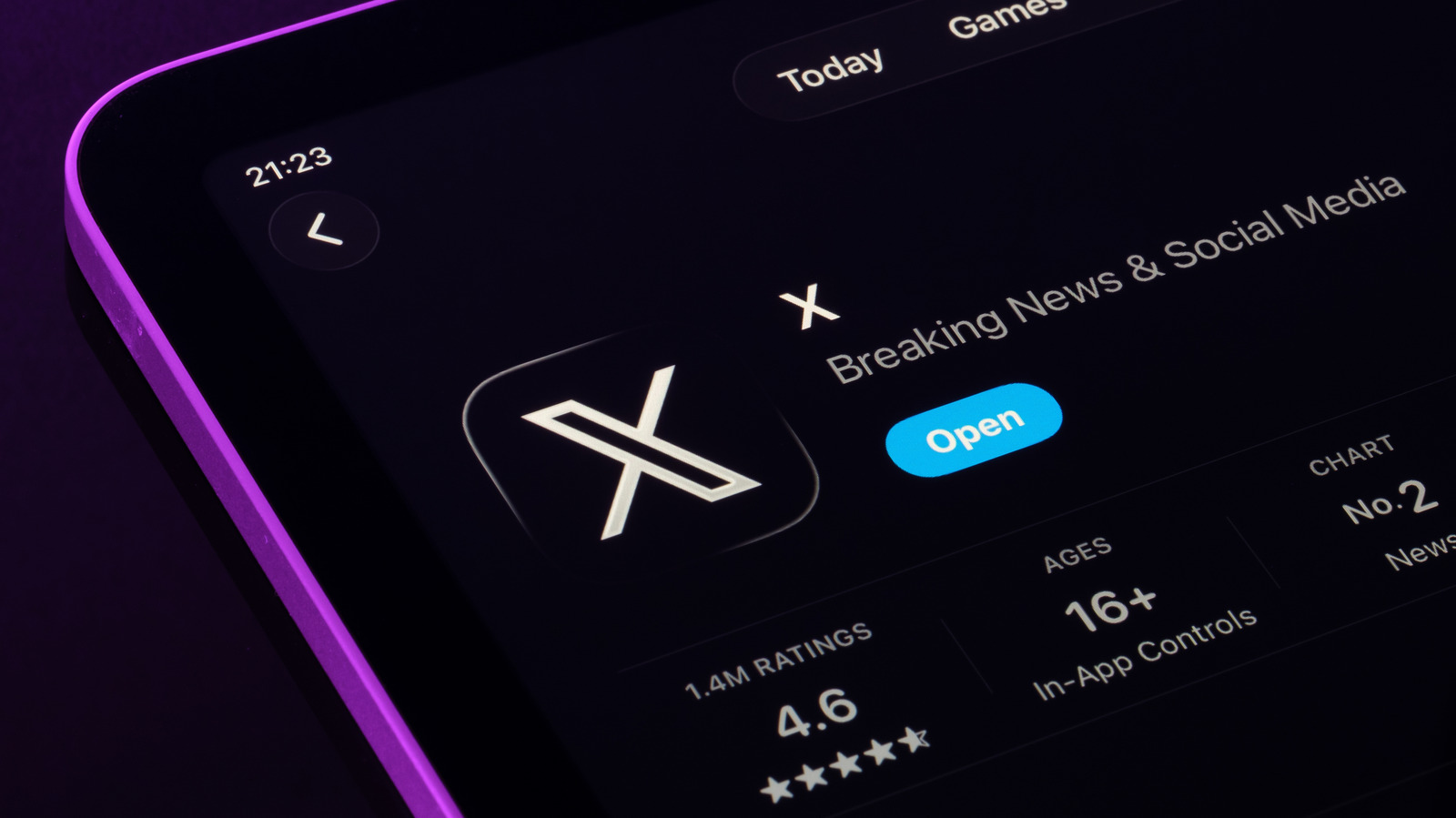
At least one UK government department is reportedly done with X Tech
A significant shift in digital policy has reportedly taken place within the UK government, as Attorney General Richard Hermer has directed his department to cease official posting on X, formerly Twitter. The move, attributed to deep concerns over the platform's alleged role in inciting violence and racism, marks a notable departure for at least one government department from a major social media platform increasingly scrutinized for its content moderation practices.
Richard Hermer, who holds the dual roles of Attorney General for England and Wales and Advocate General for Northern Ireland, communicated his decision to staff last week. According to reports from The Guardian and The Observer, the directive came after a period of escalating tensions and the proliferation of divisive content on the platform, which Hermer believes is actively being used by "bad actors" to sow discord and divide communities across the country.
The Attorney General's office, which previously maintained a fairly active presence on X, sometimes posting multiple updates daily about its work, last published an official update on June 12. This abrupt halt signifies a dramatic change in its approach to public digital engagement, highlighting serious questions about the safety and integrity of online public discourse.
The decision was reportedly prompted by a series of concerning events, including recent riots in Southampton and Belfast. Publications indicate that a surge in misinformation on X following these incidents played a critical role in Hermer's assessment. Specific examples cited include widespread disinformation related to the murder of Henry Nowak, who was fatally stabbed by a Sikh man, and a separate stabbing incident involving a Dublin man and a Sudanese national.
In the wake of these events, far-right activists reportedly exploited the platform, disseminating hateful narratives and misinformation targeting immigrants. Disturbingly, some high-profile personalities were observed sharing doctored bodycam footage pertaining to the Nowak case, further fueling the volatile environment. Adding another layer of concern, X's AI chatbot, Grok, reportedly misidentified two police officers involved in the Nowak investigation, leading to their information being widely shared online. These incidents collectively painted a stark picture of a platform struggling to control the spread of harmful and inaccurate content.
The Attorney General's move also brings into sharper focus the role of the platform's owner, Elon Musk, who has reportedly been criticized for amplifying the voices of these far-right activists. This amplification, whether intentional or a byproduct of the platform's algorithms, raises questions about the responsibility of social media companies in shaping public discourse and their impact on real-world events.
Hermer's concerns about digital division are not new. In a recent speech, he underscored the importance of Britain remaining engaged with the European Court of Human Rights post-Brexit. During this address, he cautioned against allowing "a very small group of crypto-funded millionaires of this world get away with using the debate about the ECHR or drawing closer to the EU to sow more division in this country." This earlier statement reveals a consistent theme in his public commentary: a firm stand against those who seek to create societal rifts through manipulative narratives. His current actions regarding X appear to be a direct extension of this conviction, applied to the digital sphere where such divisions can rapidly take root and spread.
While the Attorney General's office is reportedly the first *departmental* entity within the UK government to officially suspend its X activity over these concerns, the platform has faced individual boycotts from other public figures. Some female Members of Parliament, for instance, had already individually left the website following reports that Grok, the AI chatbot, was allowing users to generate images of real women and children in revealing clothing. This earlier exodus by individual MPs underscores a broader pattern of ethical and safety concerns that have plagued X since its acquisition.
The decision by *at least one government department* to pull back from X marks a significant moment, not just for UK public bodies, but for the global landscape of digital communication and governance. It signals a growing reluctance among official institutions to overlook the tangible impacts of unmoderated or poorly moderated content on public safety and social cohesion. For global readers, this development highlights the evolving challenge of balancing free speech with the imperative to prevent the incitement of violence and the spread of hate online.
For now, Hermer has reportedly conveyed to his staff that the only justifiable reason for his office to post on X would be to directly correct misinformation circulating on the platform. This highly specific instruction underscores the severity of the perceived threat from disinformation and the platform's current environment. It suggests a shift from proactive communication to a reactive, damage-control stance, reflecting a significant loss of trust in the platform's utility as a neutral or safe public square.
The Evolving Landscape of Digital Governance
The decision by the Attorney General's office to step away from X due to profound concerns about its impact on public safety and social harmony is more than just a departmental policy change; it is a powerful statement on the evolving challenges of digital governance. In an era where social media platforms are indispensable for public outreach and civic engagement, the withdrawal of a government entity over such grave issues sets a compelling precedent. It raises critical questions about the responsibility of tech companies to safeguard their users and the broader society from exploitation by bad actors. As misinformation continues to weaponize public discourse, governments worldwide may increasingly find themselves at a crossroads, forced to weigh the benefits of digital presence against the risks posed by platforms that struggle to uphold basic standards of safety and integrity. This UK development could well be a harbinger of more significant shifts in how public institutions engage with and regulate the digital spaces that shape our global digital culture.
Decode Today News delivers breaking news on AI, tech, business, politics, and world events — updated daily.
breaking news, AI news, technology news, India news, world news, business news #decodetodaynews