Stock Market Holiday on Muharram: Are NSE and BSE Open for Trading on June 26?
Stock Market Holiday on Muharram: Are NSE and BSE Open for Trading on June 26?
By Decode Today News
Indian stock markets, including the Bombay Stock Exchange (BSE) and the National Stock Exchange (NSE), are set to observe a trading holiday on Friday, June 26, 2026, in solemn observance of Muharram. This significant closure means that all trading activities across various market segments will be suspended for the day, providing traders and investors with an extended three-day weekend before regular operations resume.Indian Stock Markets to Close for Muharram on June 26, Reopen June 29
The National Stock Exchange (NSE) and the Bombay Stock Exchange (BSE) will suspend all trading operations on Friday, June 26, 2026, for the Muharram holiday. This includes the equity market, equity derivatives, currency derivatives, Securities Lending and Borrowing (SLB), and Electronic Gold Receipts (EGR). As the holiday falls on a Friday, it creates a three-day market closure, with trading set to resume on Monday, June 29, 2026, following the usual schedule.
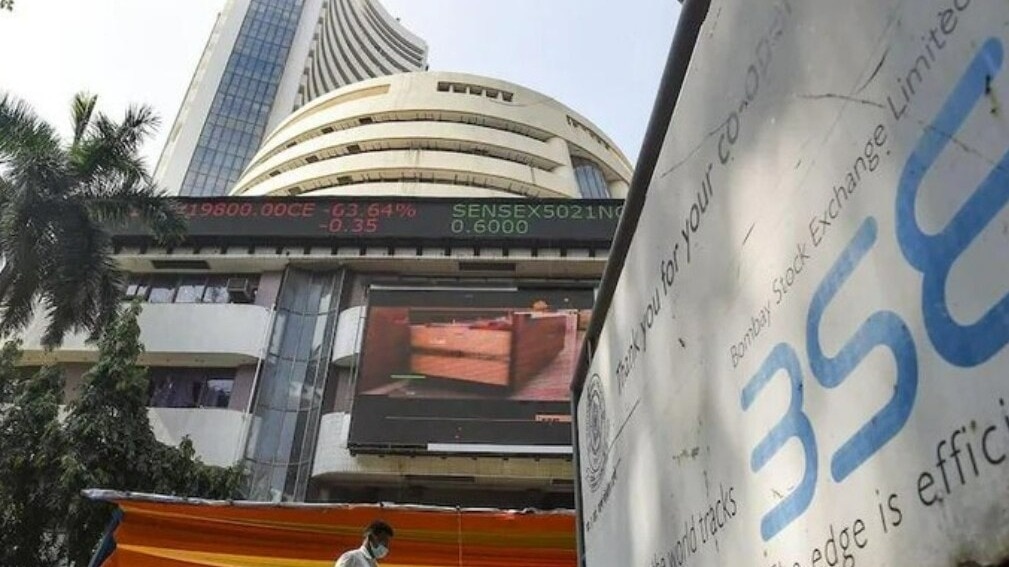
Comprehensive Closure Across Key Trading Segments
The impact of the Muharram holiday on June 26 extends beyond just the traditional equity market. Investors and traders planning their strategies for the week must note that a wide array of segments will be affected. Specifically, the suspension will cover: * Equity Market: Direct buying and selling of shares will not be possible. * Equity Derivatives: Futures and options contracts based on equity will not be traded. * Currency Derivatives: Trading in currency futures and options will also be halted. * Securities Lending and Borrowing (SLB): The platform for lending and borrowing securities will be non-operational. * Electronic Gold Receipts (EGR): Trading in digitized gold receipts will also be suspended for the day. This comprehensive closure ensures that there is no market activity across these vital segments, preventing any transactions or settlements from occurring. The uniformity of the holiday across these diverse financial instruments underscores the significance of Muharram in the national calendar and its observance within the financial ecosystem.An Extended Weekend for Market Participants
The timing of the Muharram holiday this year, falling on a Friday, naturally creates an extended break for everyone involved in the Indian stock market. Since the NSE and BSE, like many global exchanges, already observe non-trading days on Saturdays and Sundays, the Friday holiday effectively results in a three-day cessation of trading. This long weekend offers a period for reflection, personal commitments, or simply a break from the fast-paced world of financial markets. For investors, this means a pause in portfolio adjustments and real-time market tracking. While the physical exchanges are closed, informed investors often use such breaks to review their strategies, research potential new investments, or analyze market trends without the immediate pressure of active trading. The markets will spring back to life on Monday, June 29, 2026, reopening at their usual time and resuming regular operations, allowing participants to pick up where they left off.Understanding India's Premier Stock Exchanges: NSE and BSE
The National Stock Exchange (NSE) and the Bombay Stock Exchange (BSE) are the two primary stock exchanges in India, playing pivotal roles in the country's financial landscape. The BSE, established in 1875, is Asia's oldest stock exchange, known for its SENSEX index. The NSE, founded in 1992, is India's largest stock exchange by turnover and is widely recognized for its NIFTY 50 index. Both exchanges offer a robust platform for trading various securities, facilitating capital formation and economic growth. Their coordinated closure for public holidays ensures that the vast majority of India's publicly traded financial instruments are uniformly affected, preventing fragmented market behavior. This unified approach provides clarity for domestic and international investors navigating the Indian financial market.Regular Market Operations and the Importance of the Pre-Open Session
On standard trading days, the Indian stock market operates from 9:15 am to 3:30 pm. This window allows for robust price discovery and transaction execution throughout the day. However, before the official market opening, a crucial pre-open session takes place between 9:00 am and 9:15 am. The pre-open session is designed to facilitate a smoother and more orderly market opening by allowing for price discovery for the day's trades. During this 15-minute window, orders can be placed, modified, or canceled. These orders are then matched to determine the opening price of the shares, helping to minimize volatility right at the market's start. Understanding this regular schedule is key for traders and investors to effectively participate in the market when it is operational.Looking Ahead: Upcoming Market Holidays for 2026
While Muharram marks a significant holiday, investors should also be aware of the other scheduled market closures for the remainder of 2026 to plan their trading activities accordingly. Following the June 26 holiday, there will be a gap of nearly three months without any trading holidays, offering an uninterrupted period of market activity. The next designated stock market holiday after Muharram will be on September 14, 2026, for Ganesh Chaturthi. Further closures later in the year include: * October 2, 2026: Mahatma Gandhi Jayanti * October 20, 2026: Dussehra * November 10, 2026: Diwali-Balipratipada * November 24, 2026: Prakash Gurpurb Sri Guru Nanak Dev * December 25, 2026: Christmas This comprehensive calendar is essential for investors to manage their portfolios, anticipate settlement cycles, and adjust their trading strategies around these non-trading days. Staying informed about these dates helps in making timely decisions and avoiding potential liquidity issues.Implications for Global Investors and Economic Watchers
For global investors monitoring the Indian market, and for those interested in broader economic trends, understanding these closures is crucial. India is a significant emerging market, and its stock market holidays can influence international trading strategies, especially for funds with exposure to Indian equities or derivatives. While trading halts locally, global markets continue, and investors need to factor in potential overnight shifts when India reopens. This temporary suspension is a routine part of any market's calendar, but awareness ensures seamless financial operations.Frequently Asked Questions About the Stock Market Holiday
Which Indian Stock Markets Will Be Closed on June 26?
Both the National Stock Exchange (NSE) and the Bombay Stock Exchange (BSE), India's primary stock markets, will be closed for trading on Friday, June 26, 2026, in observance of Muharram.
What Specific Trading Segments Are Affected by the Muharram Holiday?
The closure on June 26 will affect all major trading segments, including equity, equity derivatives, currency derivatives, Securities Lending and Borrowing (SLB), and Electronic Gold Receipts (EGR).
When Will Trading Activities Resume on the NSE and BSE?
Following the Muharram holiday, regular trading activities on both the NSE and BSE will resume on Monday, June 29, 2026, at their usual opening times.
What Are the Regular Trading Hours for Indian Stock Markets?
On regular trading days, the Indian stock market operates from 9:15 am to 3:30 pm. There is also a pre-open session held from 9:00 am to 9:15 am to aid in price discovery before the market officially opens.
Are There Other Stock Market Holidays Scheduled for 2026?
Yes, after Muharram, the next holiday is on September 14, 2026, for Ganesh Chaturthi. Other holidays for the year include Mahatma Gandhi Jayanti (October 2), Dussehra (October 20), Diwali-Balipratipada (November 10), Prakash Gurpurb Sri Guru Nanak Dev (November 24), and Christmas (December 25).


