Apple's Siri AI Enhancements Spark Surge in 12GB DRAM Demand, Boosting Samsung and SK Hynix
Apple's Siri AI Enhancements Spark Surge in 12GB DRAM Demand, Boosting Samsung and SK Hynix
By Decode Today News
Apple is significantly advancing the artificial intelligence capabilities of its Siri voice assistant, a strategic move that analysts predict will drive a notable increase in demand for advanced memory chips. This shift is particularly expected to fuel orders for 12GB DRAM modules, potentially creating a substantial benefit for key Apple suppliers such as Samsung Electronics and SK Hynix. The intensified AI integration within Siri is poised to translate into growth in memory chip shipments for these major semiconductor manufacturers.
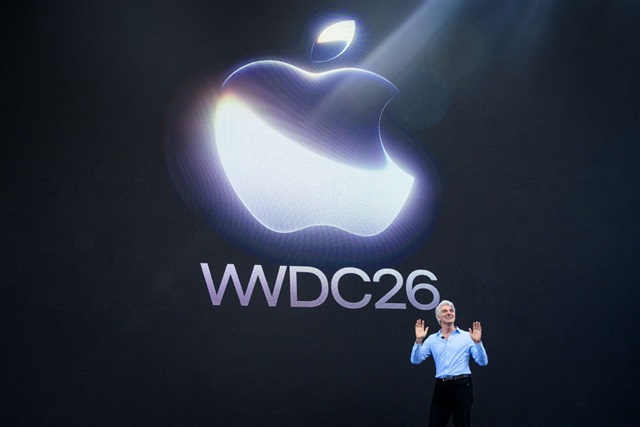
Siri's AI Evolution Driving High-Capacity Memory Needs
Apple's ongoing efforts to elevate Siri's AI prowess are directly contributing to a heightened requirement for more robust and higher-capacity memory solutions in its devices. As artificial intelligence models become more sophisticated and capable of handling complex on-device processing, the need for substantial Dynamic Random Access Memory (DRAM) increases proportionally. Analysts point specifically to 12GB DRAM as the emerging standard driven by these enhanced AI demands, signaling a crucial pivot in the hardware specifications of future Apple products.
This development underscores a broader industry trend where the integration of advanced AI, especially for tasks processed directly on a device rather than solely in the cloud, necessitates significant hardware upgrades. For Siri, this could mean more responsive, context-aware, and personalized interactions, moving beyond its current capabilities to offer a more seamless and intelligent user experience.
Impact on Global Memory Chip Giants
The increased demand for 12GB DRAM is a significant boon for major memory chip manufacturers like Samsung Electronics and SK Hynix. Both South Korean companies are titans in the global semiconductor industry, holding substantial market shares in DRAM production. As primary suppliers to Apple, any significant shift in Apple's component requirements directly impacts their production volumes and financial outlook.
For Samsung Electronics, a diversified technology conglomerate, this represents an opportunity to strengthen its semiconductor division. Beyond manufacturing its own smartphones, Samsung is a critical component supplier for many global tech brands, including Apple. A surge in DRAM orders from Apple would bolster its memory business, which is a key profit driver. Similarly, SK Hynix, another dominant player in the memory market, stands to benefit from increased shipment growth. The sustained demand from a client as large and influential as Apple provides stability and growth prospects for these suppliers, particularly in a market often characterized by cyclical fluctuations.
The AI-Hardware Nexus: Why More Memory Matters
Modern artificial intelligence, particularly the kind enabling advanced voice assistants like Siri, relies heavily on large datasets and complex algorithms. When these AI models run partially or entirely on a device, they require substantial Random Access Memory (RAM) to efficiently process information and execute commands. Higher DRAM capacity, such as 12GB, allows the device to load larger AI models, handle more intricate real-time calculations, and manage multiple AI-driven tasks simultaneously without performance degradation.
This is crucial for features like on-device machine learning, natural language processing, and advanced image recognition, all of which contribute to a more intelligent and fluid user experience. The move towards 12GB DRAM suggests that Apple's upcoming AI enhancements for Siri are designed to be more compute-intensive, requiring robust local processing capabilities to reduce latency, improve privacy by keeping data on-device, and function effectively even without a constant internet connection.
The trend of AI driving hardware requirements is not new but is accelerating across the technology landscape. From data centers to personal devices, the promise of more intelligent systems is invariably tied to the availability of more powerful and efficient underlying hardware. Apple's focused investment in Siri's AI, and consequently in higher-capacity DRAM, reflects this broader industry movement.
Broader Market Implications and Future Outlook
This strategic move by Apple to bolster Siri's AI capabilities has ripple effects across the global technology ecosystem. For consumers, it hints at a future where Apple devices, potentially including iPhones, iPads, and other hardware, will offer a significantly more advanced and integrated AI experience. This could manifest as smarter automation, more intuitive interactions, and a personal assistant that understands context and user intent with unprecedented accuracy.
For the semiconductor industry, Apple's demand acts as a strong indicator of future trends. When a company of Apple's scale commits to a specific hardware specification, it often sets a benchmark for the rest of the industry. This could lead other smartphone manufacturers and tech companies to follow suit, further boosting demand for high-capacity DRAM modules and creating a positive growth cycle for memory chip suppliers.
The competition among memory manufacturers to innovate and supply these high-performance chips will also intensify, potentially leading to advancements in memory technology and efficiency. The ongoing investment in AI by tech giants continues to be a primary driver for innovation and demand in the hardware sector, solidifying the symbiotic relationship between cutting-edge software and the powerful components required to run it.
Frequently Asked Questions About Apple's AI Push and DRAM
What is DRAM and why is 12GB significant?
DRAM, or Dynamic Random Access Memory, is a type of volatile memory that computers and mobile devices use to store data that the processor needs quickly. It's essentially the working memory of a device. 12GB is significant because it represents a substantial increase in capacity for consumer-grade devices, allowing for the execution of more complex AI models and multitasking without performance slowdowns.
How does enhanced AI in Siri affect memory requirements?
When AI capabilities are enhanced, especially for on-device processing, the AI models themselves become larger and require more computational resources. More sophisticated AI needs more memory to load these larger models, process complex algorithms, and manage vast amounts of data in real-time. This reduces reliance on cloud processing, improving speed, privacy, and offline functionality.
Who are Samsung Electronics and SK Hynix?
Samsung Electronics and SK Hynix are two of the world's largest semiconductor manufacturers, both headquartered in South Korea. They are global leaders in producing memory chips, including DRAM and NAND flash memory, which are critical components for smartphones, computers, servers, and various other electronic devices. They are key suppliers to many major tech companies, including Apple.
What happens next?
Apple's intensified focus on Siri's AI is a clear signal of its commitment to integrate more sophisticated intelligence directly into its device ecosystem. This shift will inevitably lead to new product specifications and potentially new features that leverage these advanced capabilities. For the memory chip market, the increased demand for 12GB DRAM from a major player like Apple will likely contribute to sustained growth for key suppliers and may even influence pricing and technological advancements across the semiconductor industry. As AI continues to evolve, the interdependence between software innovation and hardware capabilities will only grow stronger, shaping the next generation of consumer electronics.


