Decode Today News delivers breaking news on AI, tech, business, politics, and world events — updated daily.
breaking news, AI news, technology news, India news, world news, business news #decodetodaynews
Ads
Breaking News
Home/Decode Today/Technology/Mesh Wi-Fi or a Range Extender? How to Pick the Right Solution for Your Home Network
Mesh Wi-Fi or a Range Extender? How to Pick the Right Solution for Your Home Network
Mesh Wi-Fi or a Range Extender? How to Pick the Right Solution for Your Home Network
By Decode Today News
Mesh Wi-Fi or a range extender? Here's how to know which one you actually need Technology
Few frustrations are as common in the modern connected home as a spotty Wi-Fi network. Whether you're battling fluctuating video quality during your favorite streaming show or experiencing dropped connections in a critical Zoom interview, a weak signal can derail even the best-laid plans. Before considering a change in your internet service provider, exploring ways to enhance your existing network could be a more immediate and effective solution. Consumers often face a choice between two primary technologies for expanding their home or office internet signal: a traditional plug-in Wi-Fi extender or a more advanced Mesh Wi-Fi system.
Quick Guide: Extender vs. Mesh Wi-Fi
Navigating the world of home networking solutions can be daunting, but understanding the core differences between Wi-Fi extenders and Mesh Wi-Fi systems is crucial. Wi-Fi extenders offer an affordable, simple way to boost your router's signal in specific distant rooms, ideal for patching isolated dead spots. However, they can suffer from reliability issues, reduced bandwidth, and are less suited for large spaces. Mesh Wi-Fi systems, though more expensive and initially complex to set up, provide a seamless, uniform network coverage throughout a given area using multiple interconnected satellites. They are the superior choice for extensive, multi-floor homes demanding consistent, high-bandwidth connectivity without signal degradation. Your decision hinges on factors like your budget, the size and layout of your space, and your specific internet usage needs.
Understanding Your Connectivity Challenge
Before diving into technical specifications or product comparisons, it's vital to clearly define the problem you're trying to solve. Are you looking to eliminate a single "dead spot" where your Wi-Fi signal simply doesn't reach, such as a garage workshop or a patio area? Or do you need to expand robust coverage across multiple floors and numerous rooms in a larger home or office environment? Furthermore, consider your bandwidth demands. Are you simply aiming for a budget-friendly option that provides basic connectivity, or do you require a high-powered, reliable internet connection for tasks like 4K streaming, online gaming, or frequent video conferencing across your entire space? Your answers to these questions will significantly influence which system is the right fit for your situation.
The Role of Wi-Fi Extenders: A Targeted Boost
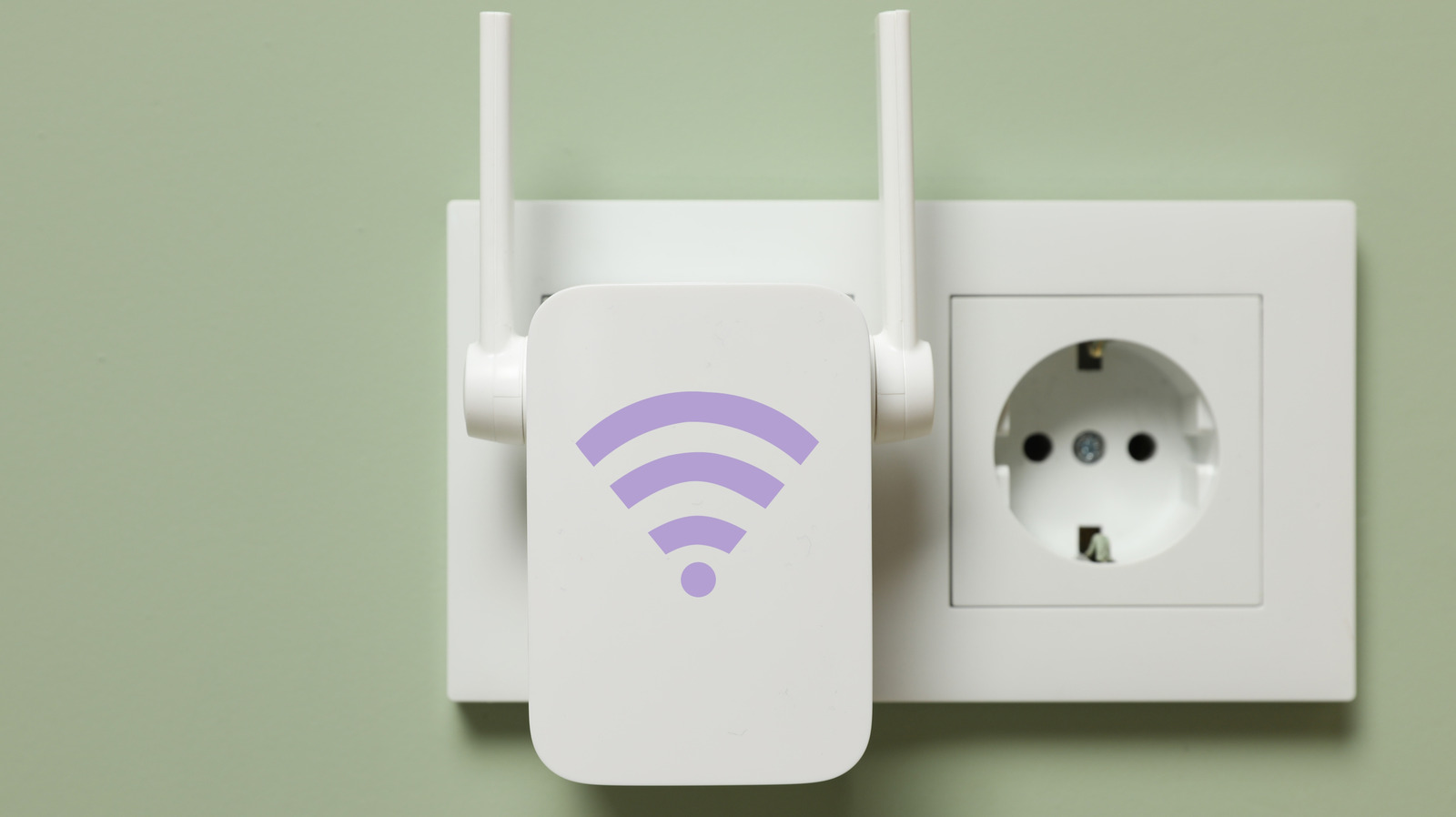
Wi-Fi extenders are, at their core, simple signal repeaters. These devices typically plug directly into a wall outlet and are designed to capture your existing router's signal and rebroadcast it, effectively extending its reach to another part of your home or office. As a budget-conscious solution, an extender doesn't necessitate replacing your current router, making it an attractive option for those looking to address specific, isolated gaps in their network coverage.
Setting up a Wi-Fi extender is generally straightforward, requiring minimal hardware and configuration. This makes them a strong choice when your goal is to supplement signals at a particular point. For instance, if you have a singular dead zone in a specific room, a detached garage, or a backyard patio where you occasionally need connectivity, a quality Wi-Fi extender can effectively bridge that gap. Their convenience and affordability are undeniable assets for targeted signal improvements.
However, the advantages of Wi-Fi extenders come with distinct trade-offs. They are generally not ideal for creating extensive coverage over wide areas or across large homes. Their performance is heavily influenced by their positioning relative to both your main router and the devices connecting to them, as well as by environmental factors such as walls and interference. Because extenders operate by receiving and then rebroadcasting the signal, performance can fluctuate.
A significant technical drawback is that extenders connect to both your main router and your devices using the same radio bands. This effectively halves the available bandwidth, meaning that while the signal might reach further, the speed and efficiency of that connection will be reduced. Furthermore, most extenders rebroadcast the signal under a separate Wi-Fi network name, requiring users to manually switch networks when moving between the main router's coverage and the extender's zone. While manageable if used selectively, relying on multiple extenders throughout a large home can quickly become an inconvenience, particularly for activities that demand consistent, high-bandwidth connections.
In contrast to the point-to-point extension offered by repeaters, Mesh Wi-Fi systems take a different approach, creating a wider, unified network throughout your property. These systems utilize several interconnected nodes, or satellites, which work together to provide equal and robust coverage across the entire space. One node typically connects to your modem, acting as the main router, while other satellite nodes are strategically placed around your home.
A key advantage of Mesh Wi-Fi is its intelligent routing capabilities. Devices connected to a mesh network are automatically linked to the strongest available signal, ensuring a seamless transition as you move around your home. This eliminates dead spots entirely and, crucially, removes the need to manually connect to different networks, as the entire system operates under a single Wi-Fi name.
Mesh Wi-Fi systems have grown considerably in popularity due to their superior performance for larger or more complex environments. Typically, implementing a mesh system involves replacing your existing router with a mesh router and integrating its satellite nodes. While the initial investment is higher and the setup can be more involved than simply plugging in an extender, adding additional nodes after the initial installation is usually quite straightforward. This inherent scalability makes mesh networks a powerful solution for consistently reliable internet access across multiple rooms and floors.
If you're looking to set up an entertainment hub in a basement, host frequent video calls from an attic-turned-office, or simply need robust, stable Wi-Fi across every corner of a sprawling home, a mesh network will extend your signal without the bandwidth degradation common with extenders. While they might be overkill for smaller spaces like a studio apartment or for users with very limited bandwidth needs, mesh networks are undeniably superior for delivering strong, consistent coverage over large areas. The best mesh Wi-Fi systems promise fast, dependable signals throughout an entire home, making the decision to invest in one largely dependent on the size of your space and your consumption habits.
The Global Impact of Reliable Home Networks
In an increasingly connected world, the quality of a home or office network transcends mere convenience. For global readers, particularly those working remotely, engaging in international video calls, accessing educational resources, or enjoying global streaming services, a reliable internet connection is foundational. A poor Wi-Fi signal can hinder productivity, disrupt communication, and detract from entertainment, irrespective of geographic location. Investing in the right network solution ensures that individuals worldwide can fully participate in the digital economy and society without being tethered to a single strong signal spot. It empowers greater flexibility, collaboration, and access to information, impacting everything from small business operations to personal leisure time.
Frequently Asked Questions About Home Wi-Fi Solutions
What is a Wi-Fi extender and how does it work?
A Wi-Fi extender is a device you plug into an electrical outlet that captures your existing router's signal and rebroadcasts it. Its primary function is to expand the reach of your current Wi-Fi network to areas with weak or no signal, typically known as dead spots.
What are the main drawbacks of using a Wi-Fi extender?
While affordable, extenders have several drawbacks. They often halve your available bandwidth because they use the same radio bands to communicate with both the router and your devices. They also create a separate Wi-Fi network name, requiring manual switching, and are generally less effective at providing extensive, uniform coverage across large or multi-floor homes.
What is a Mesh Wi-Fi system?
A Mesh Wi-Fi system consists of a main router and several satellite "nodes" that communicate with each other to create a single, unified, and expansive Wi-Fi network. Devices automatically connect to the strongest signal within this network, ensuring seamless coverage and eliminating dead spots.
Why might I choose Mesh Wi-Fi over an extender?
Mesh Wi-Fi is superior for large homes, multi-floor properties, or situations requiring consistent, high-bandwidth connections across all areas. It offers seamless roaming, eliminates bandwidth degradation, and provides a more reliable and scalable network experience than extenders.
When is a Wi-Fi extender a sufficient solution?
An extender is sufficient if you have a single, isolated dead spot in a specific area (like a garage or patio) and are looking for a budget-friendly, simple solution that doesn't require high bandwidth in that particular zone. It's not ideal for covering entire large homes or multiple dead zones.
Navigating Your Connectivity Choices
The journey to better home Wi-Fi doesn't have to be fraught with complexity. By first honestly assessing your specific needs – the size of your home, the prevalence of dead spots, your budget, and your internet usage habits – you can make an informed decision between a Wi-Fi extender and a Mesh Wi-Fi system. While extenders offer a quick, affordable fix for targeted signal weaknesses, Mesh Wi-Fi systems represent a more robust, scalable, and seamless solution for comprehensive coverage across larger, more demanding environments. Choosing wisely ensures a smoother, more reliable digital experience for everyone in your household.
Decode Today News delivers breaking news on AI, tech, business, politics, and world events — updated daily.
breaking news, AI news, technology news, India news, world news, business news #decodetodaynews