RBNZ Eyes OCR Pause Amidst Uneven Economic Recovery
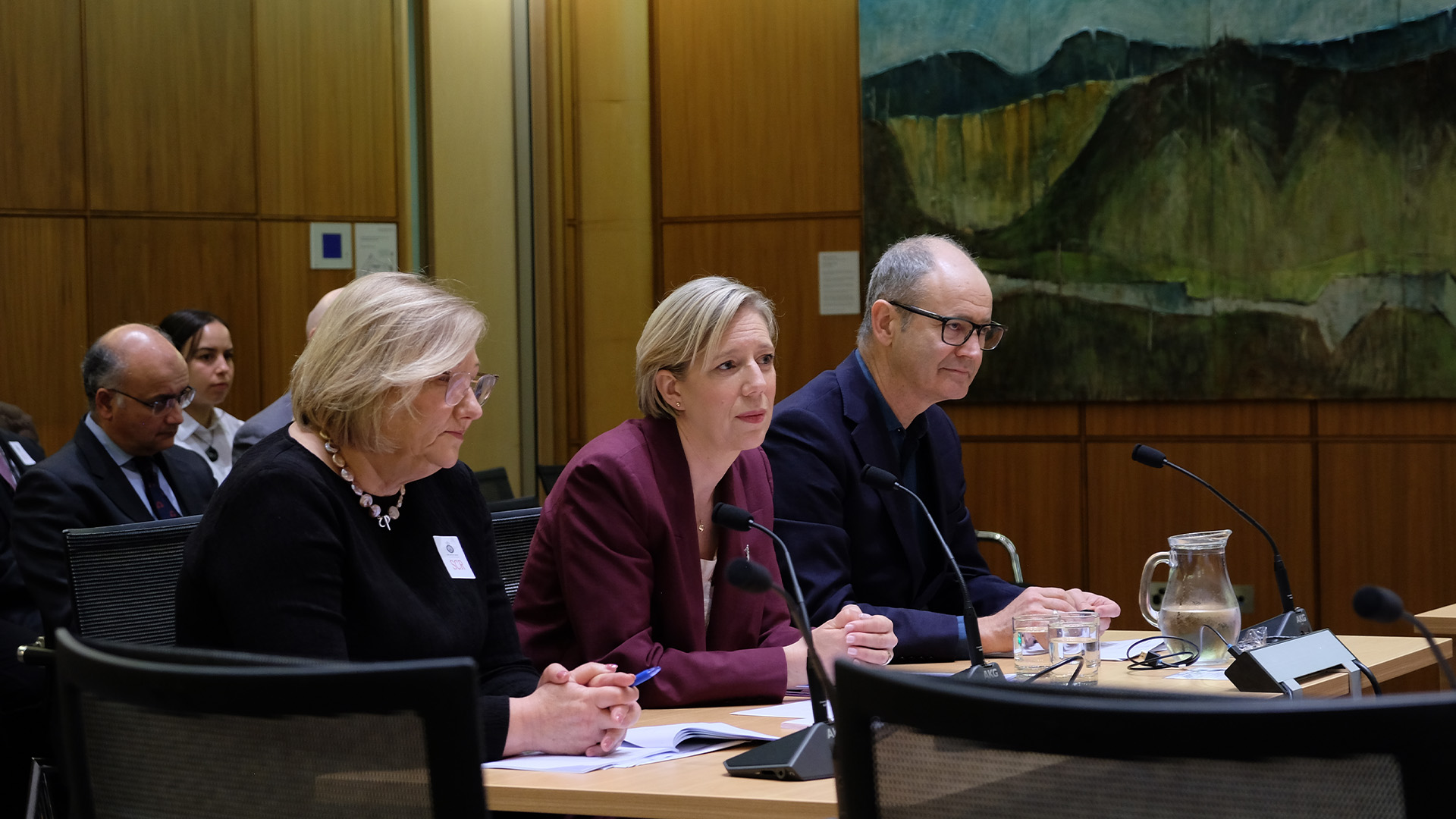
The Reserve Bank of New Zealand (RBNZ) Governor, Anna Breman, has strongly indicated a potential pause in Official Cash Rate (OCR) increases, allowing the central bank to assess the impact of recent monetary tightening on the economy. Speaking to Parliament's Finance and Expenditure Select Committee (FEC) on Thursday morning, Breman stated that following two consecutive OCR hikes, the RBNZ can now "take some time to assess" how these actions have influenced the economy and the presence of "second-round effects from high fuel prices."
This statement follows the RBNZ's September Monetary Policy Statement, released on Wednesday, which saw the OCR raised to 2.75% from 2.50%. The Monetary Policy Committee (MPC) implemented this increase with the strategic objective of gradually withdrawing monetary stimulus to guide inflation down to the RBNZ's 2% target midpoint, while simultaneously fostering sustainable growth and employment across the nation.
Governor Breman emphasized that despite the recent increases, the OCR at 2.75% remains "relatively low on a historic basis." She articulated the RBNZ's assessment, noting that "this is good to bring inflation down, but it’s still supporting growth and jobs." This nuanced approach reflects the central bank's commitment to maintaining economic stability while tackling persistent inflationary pressures.
Navigating Inflationary Pressures and Economic Balance
By Decode Today News
Alongside Governor Breman at the FEC meeting were Assistant Governor Karen Silk and RBNZ chief economist Paul Conway, alongside external MPC members Prasanna Gai, Carl Hansen, and Hayley Gourley. Conway offered critical insights into the dynamics of medium-term inflation, stressing that both expectations and price-setting behavior are paramount. He characterized the current monetary policy environment as a "delicate balance that monetary policy is trying to pull off at the moment between supporting growth and preventing the price shock from becoming generalised inflation." This highlights the challenge of managing supply-side shocks without igniting broader, embedded inflation.
Understanding the Mechanics of Economy and Monetary Policy
Monetary policy, at its core, involves managing the supply of money and credit to influence economic activity. Central banks like the RBNZ use tools such as the Official Cash Rate to adjust borrowing costs, thereby influencing consumer demand, investment, and ultimately, inflation. A higher OCR makes borrowing more expensive, which can cool down an overheating economy and curb inflation. Conversely, a lower OCR stimulates economic activity. The RBNZ's current strategy focuses on carefully calibrating these adjustments to achieve its inflation target while fostering robust employment and growth. The discussion surrounding "second-round effects" refers to how initial price shocks, like those from high fuel costs, can filter through the economy, leading to broader wage and price increases if left unchecked.
Green Party co-leader Chlöe Swarbrick challenged the RBNZ, asserting that monetary policy is a "blunt instrument" incapable of addressing root causes like global supply chain disruptions or reducing reliance on imported fossil fuels. Conway acknowledged that certain issues fall within the purview of elected officials, while Breman defended the RBNZ's capacity to manage indirect effects.
“Monetary policy is really important in terms of containing the indirect and second-round effects of things like supply-side shocks," Breman stated. "And it does matter a lot for inflation expectations, for how core inflation evolves, and over the medium term that turns out to be headline inflation.” She warned of the risk that "unless we respond with monetary policy, those inflation expectations will get out of hand and we'll see a lot of firms taking the opportunity to hike prices in this environment." Breman also noted instances of firms showing "restraint," which would help bring inflation back to a "low and stable level more quickly," ultimately benefiting the broader economy.
Inside the MPC Decision-Making Process
External MPC members were queried by National MP Nancy Lu regarding their pre-meeting preferences for an OCR hike. Carl Hansen, an external member, elaborated on the rigorous process. He explained that while members maintain a general awareness of economic trends, the "very comprehensive" material provided by the Reserve Bank, coupled with staff presentations over the initial days, significantly informs their views.
Hansen detailed the structured approach to decision-making:
- Reviewing comprehensive RBNZ material.
- Attending staff presentations for clarification.
- Independent formulation of individual recommendations.
- Structured discussion among MPC members to share views and ensure "independence and not falling into a group think kind of way."
This meticulous process underscores the committee's commitment to robust and independent analysis in shaping the nation's monetary policy framework.
An Uneven Path to Economic Recovery
Governor Breman provided an update on the domestic economic landscape, noting an "uneven" recovery. She highlighted "really good signs in the NZ economy," particularly in exports, which have been "considerably stronger than expected" despite a challenging global environment and higher fuel prices impacting exporters. Sectors demonstrating strong competitiveness include agriculture, tourism, and manufacturing, though she acknowledged that this success is not universal across all firms.
The RBNZ is now observing initial signs that this export-led growth is beginning to broaden, extending to other critical segments of the economy, such as business investments. However, Breman conceded, "We fully understand that many households are not feeling the effects of the fact that we are starting to be in a broader recovery yet," acknowledging the differential impact of economic shifts on consumer demand and household budgets.
Breman also delved into the distinction between business cycle fluctuations and more structural changes within the economy. She cited youth unemployment as a significant concern, observing similar patterns in other countries. She posed the question: "is it possibly because firms are investing more in new technologies and then it gets more difficult for younger people to come into the labour market?" While acknowledging the limitations of monetary policy in addressing such deep-seated structural issues, Breman stressed their importance, concluding that "monetary policy is more effective when it comes to the business cycle."
This observation aligns with broader global discussions on the impact of advanced technology and AI infrastructure on entry-level employment. Some analysts, like Scott Galloway, have warned that weakening entry-level hiring – partly linked to AI adoption – could create a dangerous loss of career "on-ramps" for younger workers. He cited US unemployment for 16-24-year-olds at approximately 10.5% and noted a significant drop in entry-level job postings, cautioning that youth joblessness could be an early indicator of recession and broader social instability. Such analyses underscore the complex challenges central banks face in a rapidly evolving global economy.
The Dual Mandate Debate and Fossil Fuel Dependence
Labour's stated ambition to reinstate a dual mandate for the RBNZ, focusing on both inflation and maximum sustainable employment, was a key topic. Labour MP Megan Woods inquired whether such a mandate would have influenced the recent OCR decision. Chief Economist Paul Conway labeled this a hypothetical scenario, as the MPC did not operate under such a framework for its Wednesday decision.
However, both Conway and Assistant Governor Karen Silk affirmed the RBNZ's substantial focus on the labor market. Conway acknowledged that while in a typical demand shock, inflation and the labor market often move in tandem, making the breadth of the mandate less critical, the current environment presents a "more delicate" situation with rising inflation and sluggish growth. He concluded that the mandate "would, at the margin, have an effect."
The RBNZ's September Monetary Policy Statement also highlighted persistently elevated commodity prices relative to pre-conflict levels, warning that "high energy and other commodity prices may increase medium-term inflation pressures." Woods specifically raised concerns about rising European and Asian natural gas prices and their implications for New Zealand's proposed liquefied natural gas (LNG) importation terminal.
When asked if a commercial contract for an LNG terminal would necessitate updated forecasts reflecting differing gas prices, Conway emphasized that the RBNZ does not comment on such specific commercial decisions. However, he offered a clear perspective on the broader economic landscape: "What I will say is that in an era where global fossil fuel prices are high and variable, if New Zealand was less dependent on fossil fuels, then inflation would be lower." This statement underscores the strategic importance of energy policy in managing national economic stability and inflationary dynamics.


