Are All TVs at Risk? Mitigating OLED Burn-In
OLED Displays: A Premium Experience with a Caveat
By Decode Today News
For consumers seeking unparalleled visual fidelity in their home entertainment, OLED TVs and monitors frequently emerge as a top choice. These advanced displays are renowned for delivering exceptional contrast, vibrant colors, and profound, deep blacks, often commanding a premium price point compared to their budget and even mid-range LCD counterparts. However, this superior picture quality comes with a distinct technological consideration: the potential for permanent image retention, more commonly referred to as burn-in.
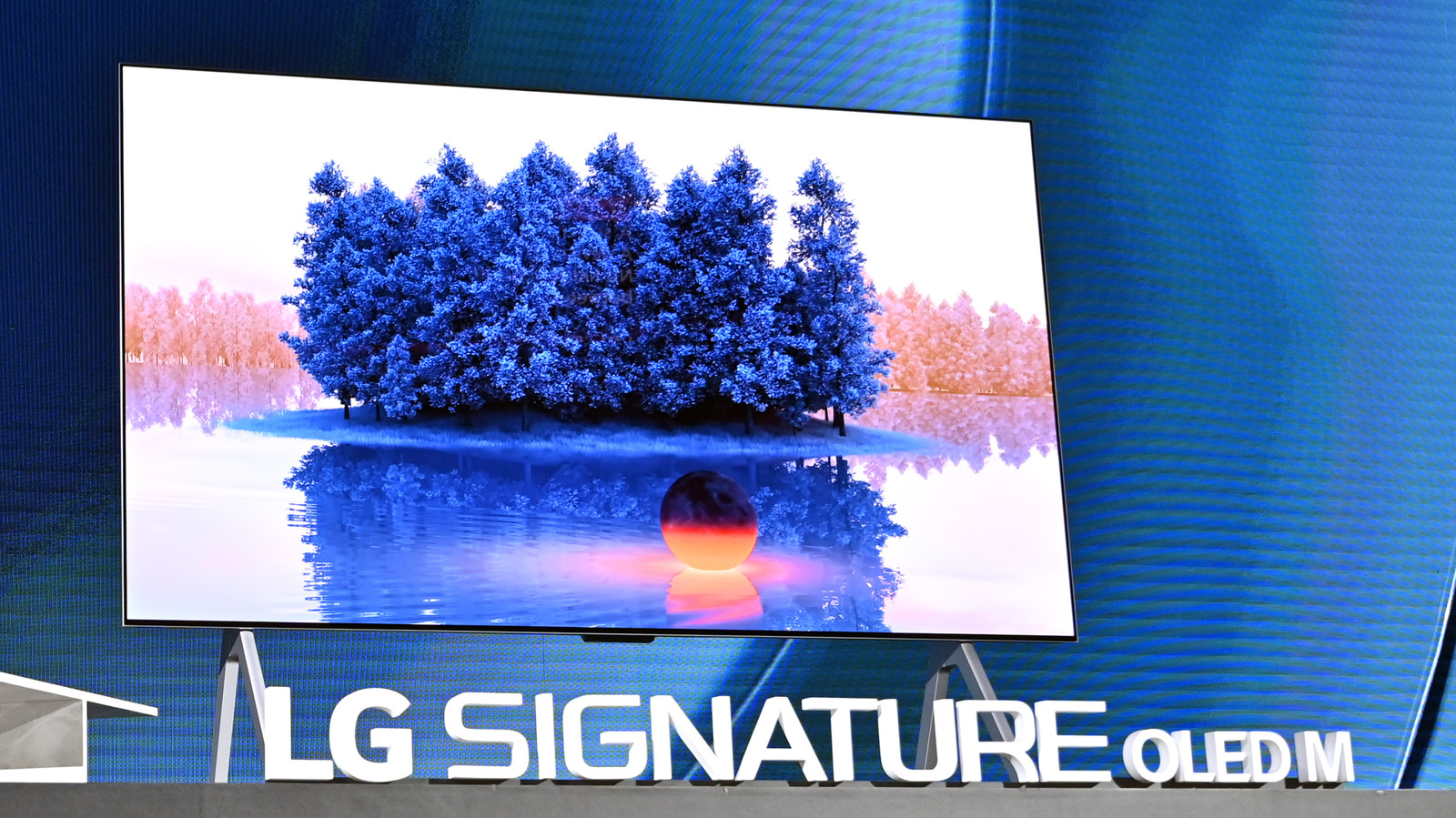
While the prospect of burn-in might seem alarming, especially when considering an investment of hundreds or thousands of dollars in a new display, it is not an immediate or universal concern for all television technologies. Industry insights suggest that while burn-in is an inherent characteristic of OLED technology, it often remains unnoticeable for years, if it appears at all. Moreover, proactive measures and common-sense usage can significantly reduce this risk, effectively extending the functional lifespan of an OLED display until a future upgrade becomes opportune.
Understanding the Mechanics of OLED Burn-In
At the core of OLED technology lies a revolutionary approach to image generation, distinguishing it sharply from conventional Liquid Crystal Display (LCD) panels. An OLED display harnesses millions of tiny organic light-emitting diodes – the very essence of its acronym – where each individual pixel functions as its own light source. This self-emissive property contrasts significantly with LCDs, which depend on a separate backlight to illuminate their pixels. The profound implication of this design is that every single OLED pixel can be independently controlled, dimmed, or even completely turned off. This granular control over light emission is the fundamental reason behind OLED's legendary ability to produce perfect blacks and achieve infinite contrast ratios, delivering a picture quality often described as unparalleled by consumer electronics experts and enthusiasts alike.
However, this intricate pixel-level control, while a cornerstone of its visual superiority, also introduces specific challenges related to pixel longevity and uniform degradation. Each time an OLED display is in use, its individual pixels undergo an infinitesimal amount of degradation, which in practical terms translates to a gradual reduction in light output. Further complicating this process is the composition of each pixel: it comprises several smaller sub-pixels, typically red, green, and blue, which are responsible for producing different colors. Crucially, these sub-pixels do not necessarily age or degrade at the same rate.
The display constantly varies the brightness of each pixel and sub-pixel to accurately reproduce the diverse colors and dynamic range seen on screen. Over extended periods, this continuous variation can lead some pixels to experience more significant wear than others, causing them to become dimmer. Eventually, the discrepancy in brightness between these more-worn pixels and their less-worn counterparts can become perceptible to the human eye. This phenomenon is precisely what constitutes burn-in: a persistent outline or ghosting of previously displayed content, where certain pixels appear brighter because adjacent pixels have experienced greater, permanent wear.
Identifying Key Burn-In Accelerators
Specific usage patterns and content types significantly elevate the potential for OLED burn-in. The primary culprit is static content, which refers to elements that remain fixed on the screen for prolonged durations. This category includes:
- Channel Logos: News or sports channels, for instance, often display their logos in a fixed position for many hours. The constant illumination and degradation of the same sub-pixels in that specific region accelerate uneven wear.
- On-Screen Text and Fixed Elements in Games: Enthusiasts who dedicate hundreds of hours to a single video game may experience burn-in from static elements such as health bars, mini-maps, user interface (UI) components, or other persistent text, leading to localized wear.
Therefore, if a user's primary viewing habit involves several hours of news or sports channels daily, or extensive play of a single video game, an OLED display might not be the optimal choice due to the heightened risk of localized pixel degradation.
Beyond content, brightness levels represent another consequential accelerator for burn-in. Running an OLED display at maximum brightness for extended periods places considerable strain on the organic light-emitting diodes. This increased strain directly causes premature wear. Furthermore, the organic materials within an OLED panel degrade more rapidly when exposed to heat, and higher brightness settings exacerbate this thermal effect. While modern OLED generations have made strides in pushing sustained brightness envelopes, manufacturers have historically adopted a more conservative approach precisely for these reasons. Consistently operating an OLED display at its peak brightness can thus lead to noticeable burn-in much faster than under moderate settings.
Practical Strategies for Minimizing Risk
Despite the inherent characteristics of OLED technology, several straightforward precautions can be taken to prevent rapid burn-in and ensure the longevity of your display. These strategies focus on reducing stress on the individual pixels and leveraging built-in mitigation features:
- Lower Brightness Settings: This is arguably the most impactful preventative measure. By navigating to the TV or monitor's settings menu and reducing the overall brightness, you significantly lessen the strain on the LEDs. This action directly extends the lifespan of each pixel, effectively keeping burn-in at bay for a considerably longer period.
- Turn Off the Display: When not actively watching content, simply turning off the display avoids unnecessary pixel degradation. While seemingly obvious, many users leave displays on in the background, contributing to cumulative wear.
- Vary Content: Regularly switching between different types of content that lack persistent static elements helps distribute pixel wear more evenly across the screen.
It is important to note that modern OLED displays incorporate a suite of advanced burn-in mitigation features designed to protect the panel. These include technologies like pixel shifting, which subtly moves the entire image by a few pixels at regular intervals to prevent static elements from degrading the exact same pixels; pixel refreshing cycles, which can be run manually or automatically to even out pixel wear; and automatic dimming in bright scenes or when static logos are detected, further reducing localized strain. Personal experiences often corroborate the efficacy of these features; for instance, some users report owning OLED TVs for five years without noticeable burn-in, despite frequently watching high dynamic range (HDR) or high-brightness content.
LCD Technology: An Alternative Perspective
For those who wish to eliminate the risk of permanent burn-in altogether, modern LCD TVs present a compelling alternative to OLED. The fundamental difference lies in their display architecture: LCD panels do not rely on self-emissive pixels. Instead, they utilize a backlight to illuminate all pixels simultaneously. This design means that LCDs do not suffer from the OLED-specific burn-in caused by uneven degradation of individual pixels.
While LCD backlights can, and occasionally do, fail with age, users can confidently watch content with static elements – such as continuous news channels or gaming with fixed heads-up displays – without the concern of permanently wearing out specific regions of the display. It is worth acknowledging that LCD panels can exhibit temporary image retention after displaying static content for extended periods. However, this phenomenon is generally less severe and less concerning than OLED burn-in, as the image retention on LCDs typically dissipates on its own once more varied content is displayed.
Modern LCD Advancements
The display technology evolution in the LCD segment has been significant, particularly with the advent of Mini LED backlighting technology. High-end LCD TVs equipped with Mini LED backlights can now achieve remarkably excellent black levels and contrast ratios, significantly closing the gap on OLED's traditional strengths. While they still cannot perfectly match OLED's pixel-level control, the advancements are substantial.
A key advantage of high-end LCD models is their ability to achieve significantly higher brightness levels than OLEDs. This is because they are not constrained by the organic light-emitting materials that can degrade under intense, sustained brightness. This makes premium LCD TVs an ideal choice for environments with abundant ambient light, such as bright, sun-filled rooms, or for consumers who prioritize maximum brightness and wish to completely avoid any considerations regarding image retention risks.
Key Takeaways for Display Longevity
Choosing the right display involves understanding the specific characteristics and potential trade-offs of each technology. For those weighing their options, here’s a summary of critical considerations:
| Feature | OLED Displays | LCD Displays (especially Mini LED) |
|---|---|---|
| Picture Quality | Perfect blacks, infinite contrast, vivid colors (pixel-level control) | Excellent contrast, very good blacks, high brightness (backlight dependent) |
| Burn-in Risk | Higher risk with static content/high brightness; permanent | Very low permanent risk; temporary image retention possible |
| Brightness | Historically more conservative; newer models improving | Can achieve significantly higher peak brightness |
| Best Use Case | Varied content, movies, dark room viewing; careful management | Bright rooms, static content (news, gaming HUDs), "set it and forget it" |
| Mitigation Features | Pixel shifting, refreshing, auto-dimming built-in | Generally not needed for burn-in; focus on backlight longevity |
Ultimately, while OLED displays offer a visually stunning experience, awareness of burn-in potential and adherence to simple preventative measures can ensure their longevity. For those prioritizing brightness, a "worry-free" experience with static content, or installation in bright environments, advanced LCD options, particularly those with Mini LED technology, provide a robust and increasingly competitive alternative.


