DJI ROMO 2 Targets Data Privacy, Advanced Cleaning
At IFA 2026, DJI unveiled its latest foray into the smart home appliance market with the introduction of the DJI ROMO 2 lineup of robot vacuums. Following up on the original DJI ROMO from 2025, the new ROMO P2 and ROMO A2 models not only promise enhanced cleaning capabilities and obstacle avoidance but also make a significant stride in addressing growing concerns around data privacy, according to the company.
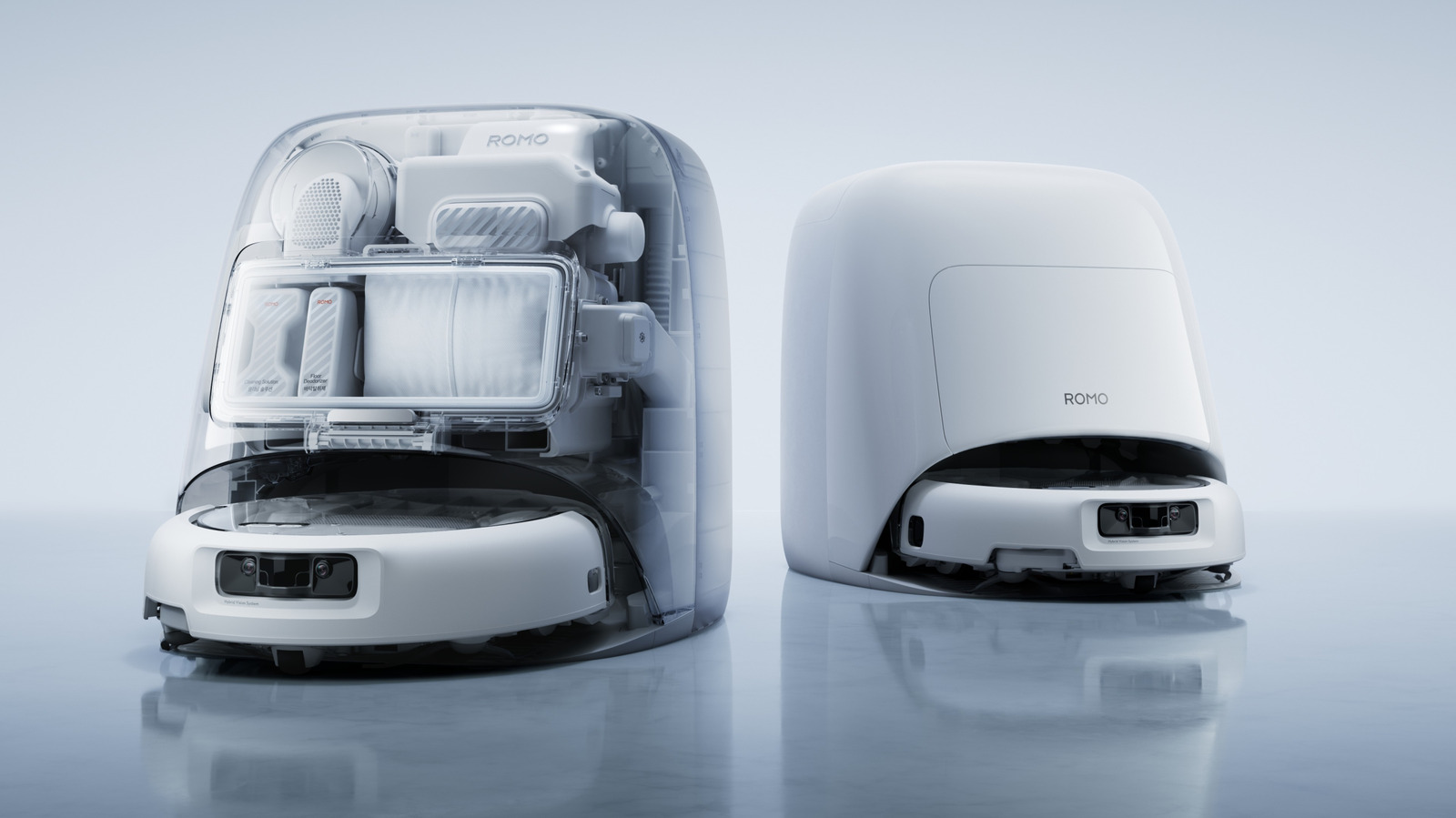
The new vacuums maintain a similar translucent design to their predecessor while integrating a suite of technological advancements rooted in DJI's extensive experience with drone technology, particularly in navigation and perception systems. This strategic development positions the ROMO 2 series as a contender in the premium segment, focusing on both performance and user trust.
Advanced AI Infrastructure for Navigation and Obstacle Avoidance
By Decode Today News
The core of the DJI ROMO 2's operational intelligence lies in its perception system, which DJI states has been "built from the ground up." This new architecture leverages advanced AI infrastructure to achieve what the company describes as "millimeter-level awareness of floor-level obstacles." This precision is critical for seamless navigation and significantly improves the vacuum's ability to identify and avoid common household impediments.
- Enhanced Obstacle Recognition: The ROMO 2 models are engineered to better detect and maneuver around everyday items, such as cables, minimizing the risk of entanglement or operational interruptions.
- Adaptive Cleaning Strategies: The system's heightened awareness extends to recognizing various floor-level items, including challenging surfaces like glass and mirrors. This allows the ROMO 2 to dynamically adjust its suction power and overall cleaning approach, optimizing performance based on the specific environmental conditions.
- Low-Light Visibility: To ensure effective cleaning in diverse lighting conditions, the ROMO 2 vacuums incorporate a built-in light. This feature illuminates dirt and obstacles in low-light settings, further bolstering the device's navigational accuracy and cleaning efficacy.
Engineering Superiority in Cleaning Performance
Beyond its sophisticated navigation, the DJI ROMO 2 lineup introduces several mechanical improvements designed to deliver a superior cleaning experience. These enhancements reflect DJI's commitment to robust engineering and user-centric design in the competitive smart home sector.
- LiDAR-Guided Mopping Arm: A standout feature is the new mopping arm, now guided by LiDAR technology. This advanced guidance system allows the arm to execute a 123-degree swing, enabling it to reach effectively under challenging areas such as sofas and cabinets, ensuring comprehensive floor coverage.
- High-Pressure Suction System: The vacuums boast an impressive cleaning capability with a pressure plate that can create a formidable seal on floors. This mechanism facilitates "up to 36,000 Pa of suction," positioning the ROMO 2 among the most powerful robot vacuums in terms of dirt and debris removal. This level of suction power addresses high consumer demand for effective cleaning across various floor types.
- Advanced Ledge Traversal: Catering to diverse home layouts, the ROMO 2 models include "robot legs" that enable them to step or even double-step over ledges up to 8.5 cm (3.3 inches) tall. This feature significantly enhances the vacuum's autonomy and ability to navigate multi-level environments without manual intervention.
Understanding the Mechanics of Data Privacy in Smart Homes
Perhaps the most significant new development with the DJI ROMO 2 is its explicit focus on data privacy, a critical concern for modern consumers and regulatory bodies. DJI's strategy appears to be a direct response to evolving market demands and regulatory pressures, including potential implications from the FCC's recent robot ban.
Beginning in Q4 2026, the ROMO 2 vacuums will support the Local Data Mode, a feature that originally debuted on DJI drones. This mode is designed to give users unparalleled control over their personal data captured by the device. When enabled, the Local Data Mode implements a crucial safeguard:
- Internet Connection Severed: The connection between the DJI Home app and the internet is deliberately cut. This action prevents any photos or videos captured by the robot vacuum's onboard cameras from being transmitted to external servers. This direct control over data transmission is a key aspect of ensuring compliance security and mitigating cybersecurity risk.
- User Control Over Sensors: Users retain the option to physically disable the vacuum cameras and microphone. This feature provides an additional layer of privacy for those who prefer to limit data collection entirely.
- Data Deletion Capability: DJI has also confirmed that users will have the ability to delete any personal data shared with DJI. This commitment to data portability and deletion rights aligns with global privacy regulations and strengthens user trust, fulfilling critical consumer demand for data governance.
This comprehensive approach to data privacy could be seen as a strategic move by DJI to address the regulatory landscape and differentiate its products through enhanced user security and transparency, a key factor in market valuation for tech companies today.
Strategic European Market Entry and Pricing
For its initial launch, DJI is focusing on the European market, with orders for the ROMO 2 robot vacuums commencing in September. Consumers will have the option to purchase the devices directly from DJI or through select retail partners across Europe.
The pricing structure for the new models is as follows:
| Model | Starting Price | Base Station Feature |
|---|---|---|
| DJI ROMO P2 | €1,299 | Translucent Base Station |
| DJI ROMO A2 | €1,199 | White Base Station |
While DJI has not yet specified other differences between the ROMO P2 and ROMO A2 models beyond their base station aesthetics, it is plausible, based on previous product lines, that the P2's base station may incorporate additional features or functionalities that justify its slightly higher price point. This strategic segmentation caters to varying levels of consumer demand and preference.
Broader Implications for Smart Home Technology and Consumer Trust
The launch of the DJI ROMO 2 series, with its dual emphasis on cutting-edge cleaning technology and robust data privacy features, sets a notable benchmark for the smart home appliance industry. DJI's proactive integration of measures like Local Data Mode and explicit user control over data signals a broader shift towards prioritizing user trust and compliance security in connected devices.
This approach could influence future product development across the sector, pushing competitors to similarly address growing consumer demand for privacy-centric solutions. For a premium audience, this represents not just a product launch, but a significant strategic move by a major technology player in navigating the complex intersection of innovation, regulation, and ethical responsibility in the evolving global digital landscape.


