Netflix's "The Gentlemen" Shifts Tone, Prepares Season 3
"The Gentlemen" Season 2: A Tonal Shift for Netflix's Crime Thriller
By Decode Today News
Netflix's crime thriller, The Gentlemen, has undergone a significant narrative and tonal transformation in its second season, polarizing audiences and setting a new course for potential future installments. The series, an offshoot of Guy Ritchie's 2019 film, sees Duke Eddie Horniman (Theo James) delve deeper into the criminal underworld, diverging sharply from the quirky humor that defined its initial run, according to the series' critics.
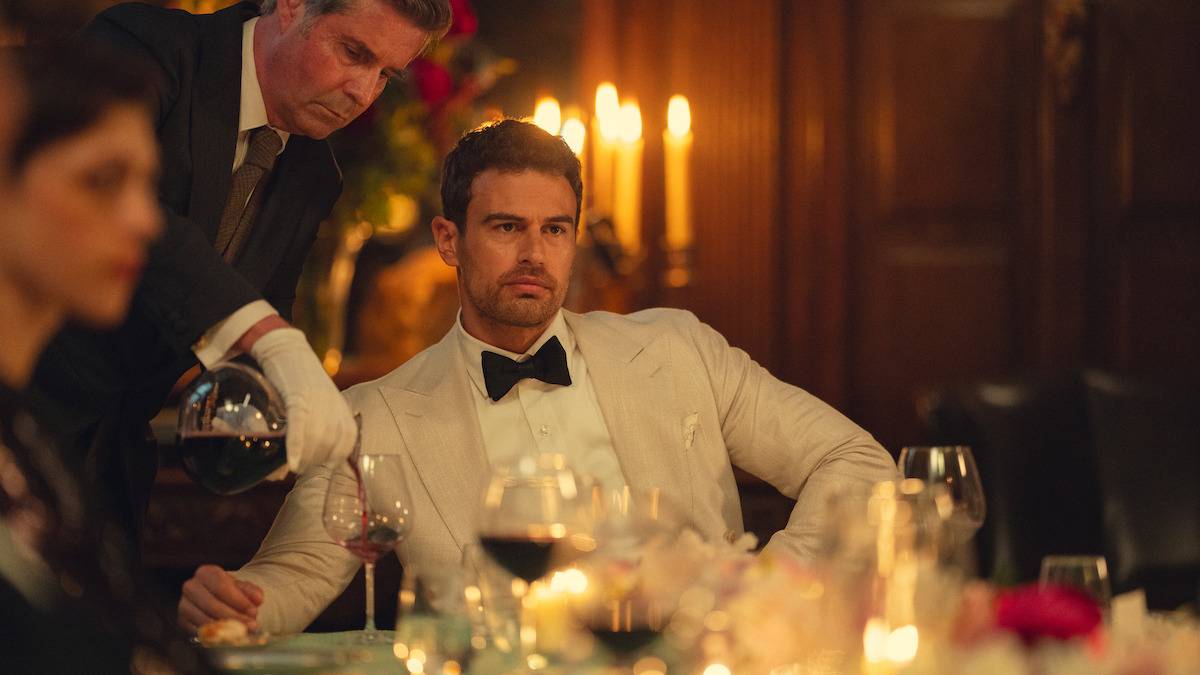
Season 2, now streaming on Netflix, positions Horniman’s character arc as a deliberate journey into suffering to unlock his “full potential,” a theme echoed by characters Stanley Johnston (Giancarlo Esposito) and Bobby Glass (Ray Winstone). However, this shift has led the series to shed much of its distinctive humor and sideline beloved characters, instead embracing a narrative structure that closely mirrors Francis Ford Coppola’s iconic The Godfather saga.
A Controversial Narrative Evolution and Core Conflict
Guy Ritchie, known for his intricate, often convoluted plots, typically delivers tight twists. Yet, the second season of The Gentlemen features numerous diversions that ultimately loop back to the central conflict established in season one. This circular storytelling, combined with an expanded scope that ventures into Italy, has been criticized for primarily serving as a vehicle for overt Godfather references rather than meaningful plot development. While the Italian locales offer undeniably gorgeous lakeside backdrops for opulent threats, they do little to advance the core business narrative of the criminal enterprise.
Eddie Horniman, initially desperate to extricate his family from its obligations to Bobby Glass – whose cannabis growhouse occupies their ancestral estate – now embraces criminal pursuits with "reckless gusto." Frustrated by Bobby's leadership, which he perceives as guided by a "mythical sauna sprite," Eddie takes aggressive steps to seize control both as a criminal mastermind and a hereditary peer in the House of Lords. This intense pressure is visibly etched onto Theo James's performance, as Eddie's face is “constantly locked in a brooding scowl.”
Character Dynamics and Diminished Agency
The dynamic between Eddie and Susie Glass (Kaya Scodelario), which served as a compelling foil in season one, undergoes significant changes. Susie, Bobby's daughter, finds her agency diminished in season two, largely torn between allegiances to the two powerful men. Her character does find moments to shine in her dealings with Joe (Tyler Conti), an old flame turned cocaine dealer, who presents a third option for steering the business. Despite the narrative pulling them apart both professionally and personally, Scodelario and James maintain a palpable, "smoldering chemistry" that fans have come to appreciate.
Perhaps one of the most significant criticisms leveled at season two is the sidelining of its most entertaining characters:
- Freddy Horniman (Daniel Ings): Eddie's chaotic older brother, a source of much of the show's dark humor, is confined to a rehab facility for the entire season. His absence leaves a noticeable void in the family dynamic and overall comedic tone.
- Jimmy Chang (Michael Vu): Susie's chief weed grower, who provided ample "goofy stoner humor" in season one, is relegated to a single episode. His storyline, involving a labor movement and questionable experimental product, is resolved "far too neatly," despite actions by Susie and Eddie that should logically exacerbate labor problems.
The season introduces new family members, including Eddie's brother-in-law, Nanny (Benjamin Clementine). Nanny is portrayed as status-obsessed and oblivious to the criminal enterprises and the complex Horniman family secrets – specifically, that his wife, Charlotte (Jasmine Blackborow), is the daughter of groundskeeper Geoff Seacombe (Vinnie Jones). Nanny's character largely serves as a "wet blanket," interrupting tender moments between Charlotte and Geoff with dismissive remarks towards the man he views as mere household staff.
The "Godfather" Influence: Style Over Substance?
While the season aims to depict Eddie's suffering and evolution, many of the consequences he faces feel "ephemeral." He recovers quickly from a brutal beating without lasting marks, and attempts to replicate devastating moments from The Godfather fall flat because Eddie never develops a genuine attachment to what he loses. Instead, the narrative often presents Eddie with a series of easily dismantled "straw men" while former foes arbitrarily decide to back him. For instance, Stanley Johnston, a dangerous rival in season one, is reduced to delivering "eloquent pep talks" about Eddie's noble lineage.
Ritchie's ambition to broaden the series’ scope internationally, particularly to Italy, has been viewed as a misstep. Critics suggest that the show and Eddie Horniman himself would have benefited more from focusing on the intricate criminal "business" within the U.K. The international expansion, while visually appealing, “never really pays off” in terms of narrative impact or adding significant market valuation to the enterprise.
Despite these criticisms, The Gentlemen maintains its visual appeal. It is "visually stunning," featuring luxurious sets, gorgeous costumes, and Ritchie's signature high-energy chase scenes and chaotic shootouts. However, the series occasionally suffers from an overreliance on close-up shots of characters speaking directly at the camera, which fails to leverage the sumptuous scenery effectively.
Understanding the Mechanics of Netflix's Content Strategy
Netflix's content strategy, particularly for high-profile originals like The Gentlemen, often involves balancing critical acclaim with subscriber engagement and retention. For a streaming giant, the success of a series is not solely measured by traditional viewership numbers but also by its ability to drive subscriptions, reduce churn, and maintain a robust content library that caters to diverse consumer demand. Producing content that resonates globally, like a British crime drama with a globally recognized director, is key to its international market valuation.
The decision to greenlight subsequent seasons often hinges on complex metrics, including completion rates, overall viewing hours, and the show's ability to generate social media buzz. Investment in original content represents a significant portion of Netflix's operating margin, making the careful calibration of creative direction – such as a tonal shift in The Gentlemen – a strategic decision aimed at optimizing long-term platform value. While creative risks can yield significant rewards, they also carry the potential for alienating segments of the existing audience.
Table: Key Shifts in The Gentlemen Season 2
| Aspect | Season 1 | Season 2 |
|---|---|---|
| Tone | Humorous, quirky criminal underworld | Serious, brooding, Godfather-esque drama |
| Eddie Horniman | Desperate to exit criminal life | Embraces criminal pursuits with gusto |
| Susie Glass's Agency | Strong, Eddie's perfect foil | Diminished, torn between two men |
| Sidelined Characters | Freddy & Jimmy key comedic relief | Freddy in rehab, Jimmy's role minimized |
| Primary Setting Focus | U.K. criminal enterprises | Expanded to Italy for aesthetic, less plot depth |
| Consequences for Eddie | More tangible, high stakes | Ephemeral, easily overcome |
Glimmers of Originality and the Road Ahead for Season 3
Despite the pervasive seriousness, season two still offers glimpses of Ritchie's original comedic flair. Highlighted moments include money launderer Chucky Kubra (Guz Khan) elaborating on his scheme to open a chain of Japanese-Pakistani restaurants. Another standout episode involves Eddie's mission to track down a missing prized falcon to curry favor within the House of Lords, introducing Lord Hawthorne (Hugh Bonneville) as a “greasier nobleman” eager to be seduced. These instances suggest that Ritchie's strengths lie closer to the series' original premise.
Season 2 concludes on a high note, effectively setting the stage for a new chapter involving the Duke, his family, and Bobby Glass’s criminal operations. The season’s recurring theme of Eddie’s evolution, and his hard-learned lessons about the perils of ambition, resonate with a call for Ritchie himself to take a similar lesson to heart. The underlying sentiment is that Ritchie does not need to emulate The Godfather; rather, he should focus on delivering another great season of The Gentlemen by playing to its original strengths and unique appeal. Fans hope that as Eddie evolves, the series itself does not become “too unrecognizable” in its third season.
The Gentlemen season 2 is currently available for streaming globally on Netflix.


